
The evolution of public transportation payment systems has transformed significantly over the past decade, moving from traditional cash and card-based systems to sophisticated multi-modal payment terminals. As a global leader in intelligent transportation solutions, Xiamen Lansce Communication Co., Ltd. (Stock Code: 430491) has been at the forefront of this transformation since its establishment in 2006. Our comprehensive bus payment terminals represent the pinnacle of modern fare collection technology, combining convenience, security, and versatility to meet the demands of today’s smart cities.
The Evolution of Bus Payment Systems
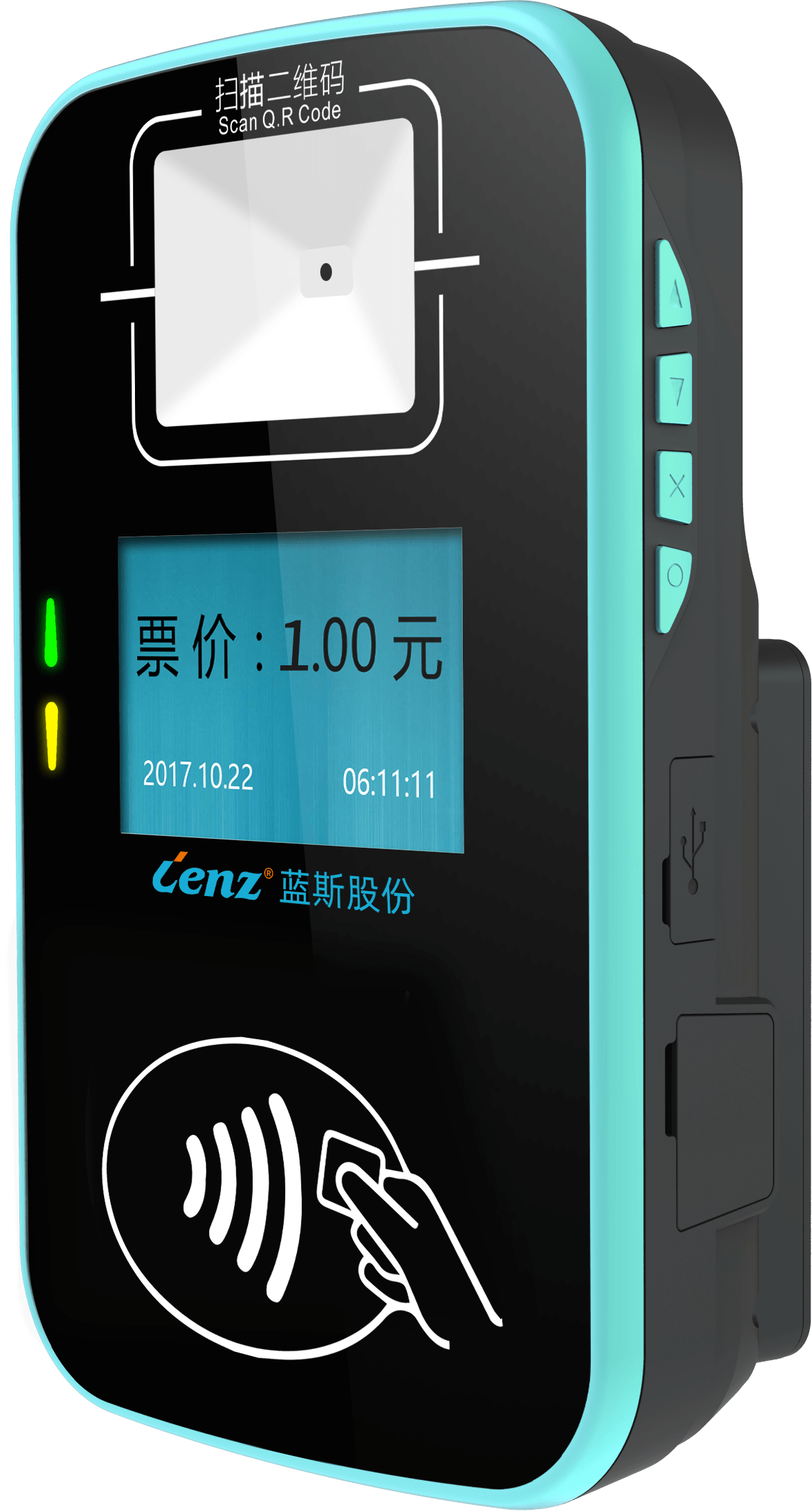
Traditional bus fare collection methods faced numerous challenges including long transaction times, cash handling risks, and limited payment flexibility. The introduction of electronic fare collection systems marked a significant improvement, but early solutions still lacked the versatility needed for modern urban mobility. Today’s intelligent bus payment terminals address these limitations by supporting multiple payment methods while integrating seamlessly with broader transportation management systems.
Our company’s journey in this field began nearly two decades ago when we recognized the need for more efficient, secure, and passenger-friendly payment solutions. Through continuous innovation and collaboration with global transportation authorities, we’ve developed payment terminals that not only streamline fare collection but also enhance the overall passenger experience. These devices now serve as critical components in smart city infrastructure across more than 400 cities worldwide.
Key Features of Our Intelligent Bus Payment Terminals
Our flagship bus payment terminals represent the culmination of years of research and development, incorporating cutting-edge technology to meet diverse operational requirements. These devices support multiple payment methods including QR code scanning, NFC contactless payments, traditional magnetic stripe cards, and even biometric authentication in premium models.
The terminals feature robust offline functionality with intelligent caching mechanisms that ensure uninterrupted operation even in areas with poor network connectivity. This capability is particularly valuable in developing regions where consistent internet access remains a challenge. Simultaneously, 4G/LTE connectivity enables real-time transaction reporting and remote management when available.
Technical Specifications
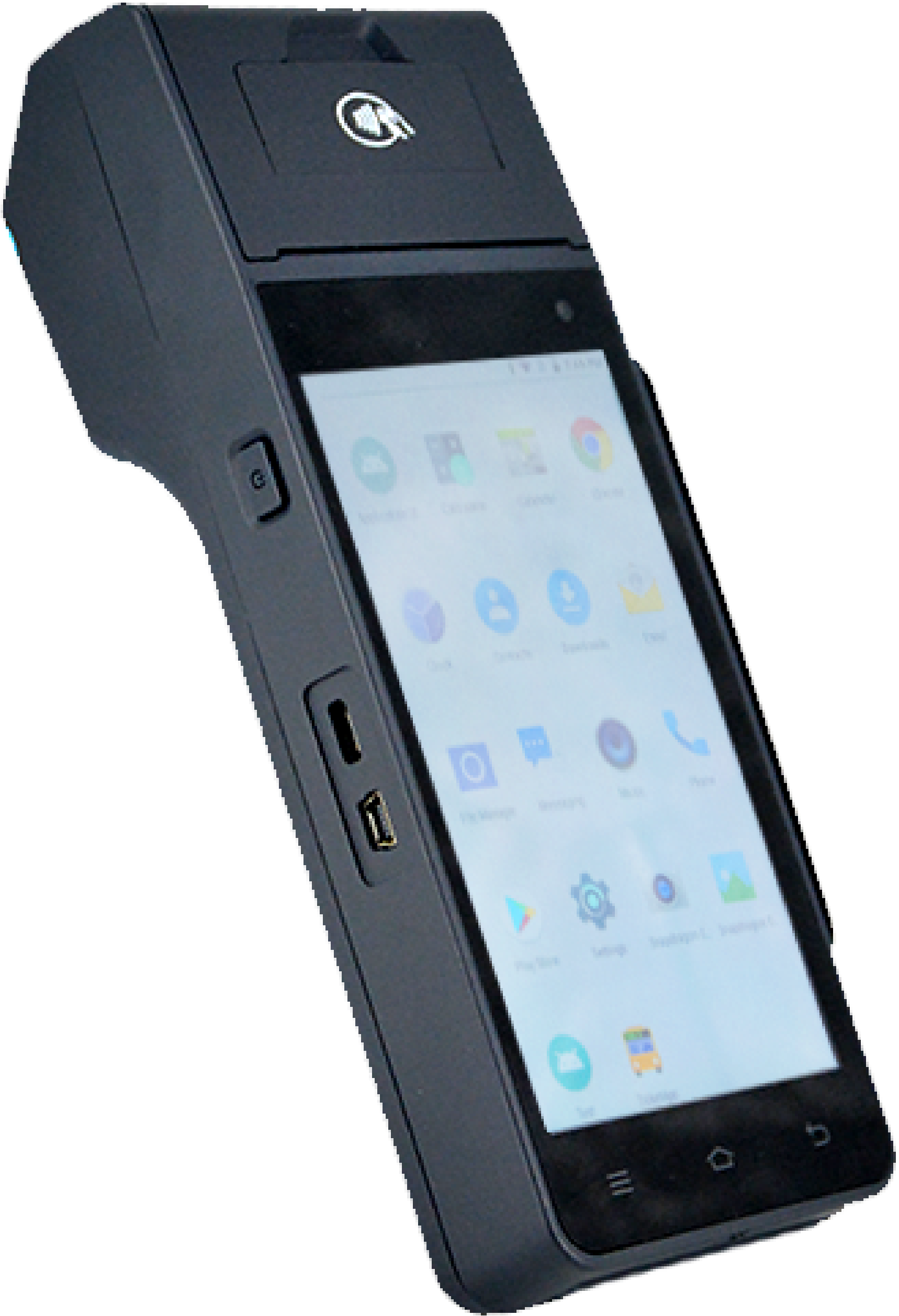
Our standard bus payment terminals come equipped with:
- High-resolution capacitive touch screens (7-inch and 12.3-inch variants)
- Multiple payment module slots supporting various payment standards
- Industrial-grade processors for reliable performance in demanding environments
- Built-in GPS for precise location tracking and route validation
- Tamper-proof design with secure encryption for all transactions
- Energy-efficient components compliant with international standards
The devices are designed to withstand the rigors of public transportation operations, featuring rugged enclosures rated for extreme temperatures, vibration resistance, and IP65 waterproofing. This durability ensures consistent performance across diverse climates and operating conditions.
Global Implementation and Success Stories
Our bus payment terminals have been successfully deployed in more than 40 countries, serving millions of passengers daily. In Thailand, our collaboration with local transportation authorities resulted in a unified payment system that reduced boarding times by 40% while increasing passenger satisfaction scores. The solution supports multiple currencies and languages, demonstrating our ability to adapt to regional requirements.
In South Africa, our terminals played a crucial role in modernizing the country’s bus rapid transit system. The implementation enabled seamless integration with existing ticketing infrastructure while introducing new payment options that expanded access to public transportation for underserved communities. The project’s success led to subsequent deployments in several other African nations.
Our Middle Eastern implementations showcase advanced features like Arabic language support, solar power options for remote routes, and integration with national payment systems. These projects demonstrate our commitment to developing solutions that address specific regional challenges while maintaining global standards of quality and reliability.
| Region | Key Implementation | Results |
|---|---|---|
| Southeast Asia | Multi-currency, multi-language terminals | 40% faster boarding times |
| Africa | Integrated with national payment systems | 25% increase in ridership |
| Middle East | Solar-powered remote terminals | 100% uptime in rural areas |
Integration with Smart Transportation Ecosystems
Modern bus payment terminals cannot operate in isolation. Our solutions are designed as integral components of comprehensive smart transportation systems. Each terminal seamlessly connects with central management platforms, enabling real-time monitoring of payment transactions, device status, and passenger flow patterns.
This integration supports advanced analytics capabilities that help transportation authorities optimize routes, schedule maintenance, and plan infrastructure upgrades. The data collected through our payment terminals provides valuable insights into passenger behavior, enabling evidence-based decision-making that improves service quality while reducing operational costs.
Our terminals also support interoperability with other transportation modes, facilitating seamless transfers between buses, trains, ferries, and even ride-sharing services. This multi-modal approach aligns with global trends toward Mobility as a Service (MaaS) platforms, offering passengers convenient, integrated travel options through a single payment interface.
Security and Compliance Standards
Security remains paramount in any payment system, particularly in public transportation where devices handle thousands of transactions daily. Our bus payment terminals incorporate multiple layers of protection including:
- End-to-end encryption for all payment data
- Secure boot and firmware update mechanisms
- Physical tamper detection and response
- PCI DSS compliance for card payments
- Regular security audits and penetration testing
The devices comply with international standards including EMV, PCI PTS, and local regulatory requirements in each market where they’re deployed. Our security architecture is designed to evolve with emerging threats, with regular firmware updates addressing new vulnerabilities and incorporating enhanced protection features.
FAQ
What payment methods do your bus terminals support?
Our standard terminals support QR code payments, NFC contactless cards, traditional magnetic stripe cards, and bank-issued debit/credit cards. Premium models also include biometric authentication options like facial recognition and palm vein scanning for enhanced security and convenience.
How do the terminals handle offline transactions?
All our payment terminals feature intelligent caching mechanisms that store transaction data when offline. Once connectivity is restored, the devices automatically synchronize with the central system. This ensures uninterrupted service even in areas with poor network coverage while maintaining data integrity.
Can your terminals integrate with existing fare collection systems?
Absolutely. We design our solutions with interoperability in mind. Our terminals can integrate with most existing fare collection infrastructure through standardized interfaces and APIs. We also offer custom integration services to ensure seamless operation with legacy systems.
What maintenance is required for these payment terminals?
Our terminals require minimal maintenance thanks to their rugged industrial design. Regular cleaning and periodic software updates are typically sufficient. We provide comprehensive maintenance documentation and training, plus optional managed services where our team handles all maintenance remotely.
How do you ensure data security in your payment terminals?
Security is our top priority. All terminals feature end-to-end encryption, secure boot processes, and regular security updates. They comply with international standards including PCI DSS and EMV. We also conduct regular security audits and penetration testing to identify and address potential vulnerabilities.
Summary
Xiamen Lansce Communication’s intelligent bus payment terminals represent the future of public transportation fare collection. By supporting multiple payment methods, offering robust offline functionality, and integrating seamlessly with broader transportation management systems, our solutions address the evolving needs of modern cities worldwide. With deployments in over 400 cities across 40 countries, our terminals have proven their reliability, security, and ability to enhance passenger experience while reducing operational costs for transportation authorities.
As urban populations grow and transportation networks become increasingly complex, the demand for intelligent, interoperable payment solutions will continue to rise. Our commitment to innovation ensures we remain at the forefront of this transformation, developing technologies that make public transportation more accessible, efficient, and sustainable for communities around the globe.