
In the rapidly evolving world of public transportation, smart payment terminals have become essential components for modernizing transit systems worldwide. Xiamen Lans Communication Co., Ltd. (Stock Code: 430491), established in 2006, has emerged as a leading provider of intelligent transportation payment solutions, serving over 400 cities globally with more than 1 million devices installed. Our innovative approach combines cutting-edge technology with practical applications to create seamless payment experiences for passengers while helping transit operators streamline operations.
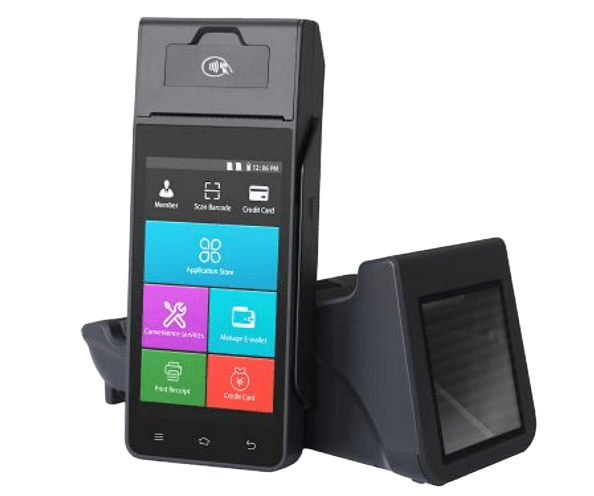
The Evolution of Public Transportation Payment Systems
Public transportation payment methods have undergone significant transformations over the past few decades. From traditional cash payments to magnetic stripe cards, and now to contactless and biometric solutions, the industry continues to innovate to meet changing passenger expectations and operational requirements. Smart bus payment terminals represent the pinnacle of this evolution, offering unparalleled convenience, security, and efficiency.
These advanced terminals integrate multiple payment methods into a single device, eliminating the need for passengers to carry separate cards or cash for different transit modes. For transit operators, smart terminals provide valuable data insights that help optimize route planning, resource allocation, and fare collection processes. The result is a more efficient, cost-effective, and passenger-friendly transportation system that can adapt to the dynamic needs of urban populations.
Key Features of Our Smart Bus Payment Terminals
Our vehicle-mounted payment terminals are designed with both passengers and operators in mind, incorporating features that enhance usability, security, and functionality. These devices support a wide range of payment options, including QR codes, NFC, magnetic stripe cards, IC cards, and even biometric authentication in premium models.
The terminals are built to withstand the rigorous demands of public transportation environments, featuring rugged construction, anti-vandalism designs, and wide operating temperature ranges. Their compact form factors allow for flexible installation on various vehicle types, from standard city buses to articulated coaches and BRT systems.
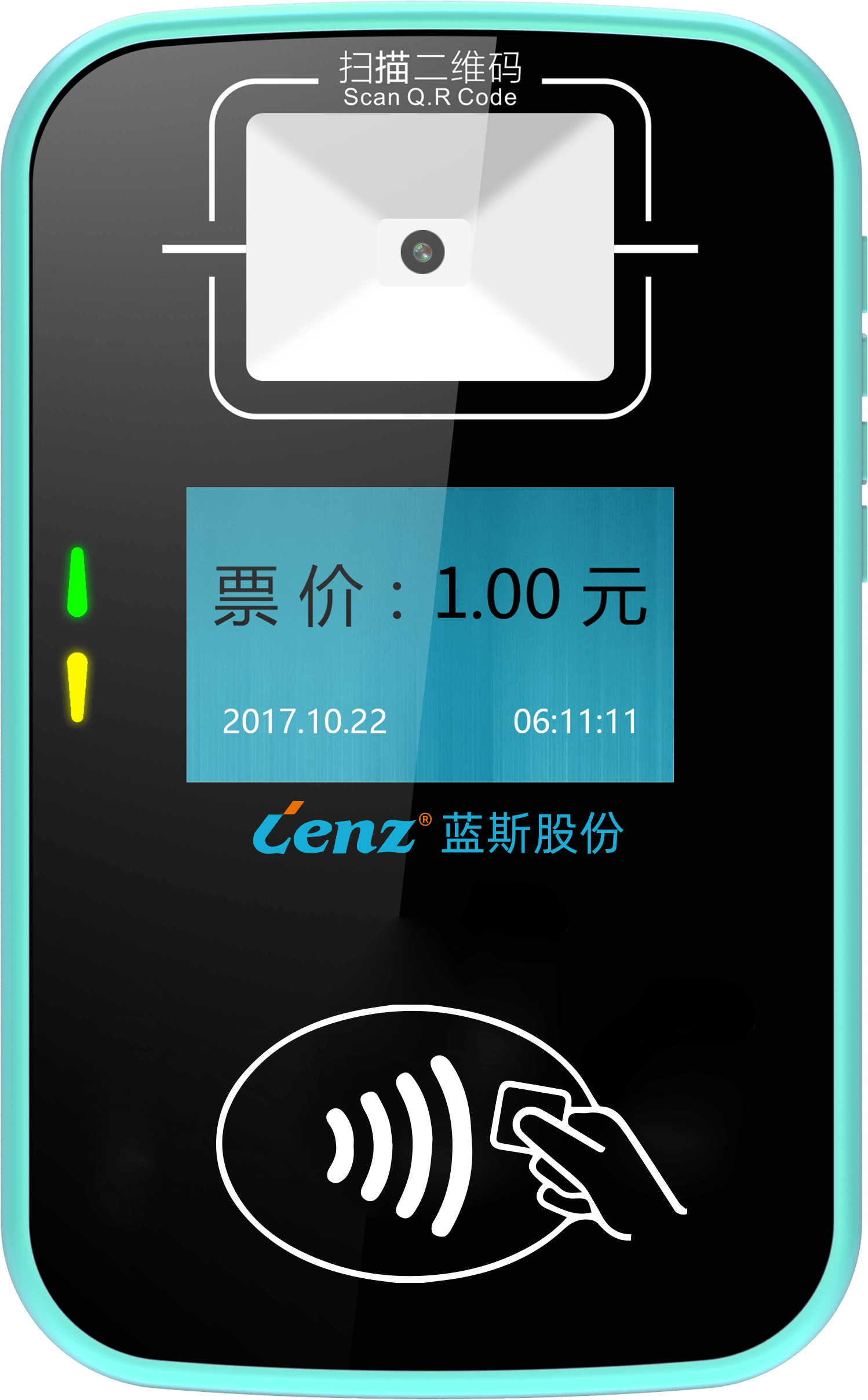
Advanced Payment Method Integration
Our smart terminals go beyond basic payment acceptance by integrating multiple transaction methods into one device. Passengers can use their preferred payment option, whether it’s scanning a QR code from their mobile wallet, tapping a contactless card, or using biometric authentication for a truly seamless experience. This flexibility reduces boarding times and improves overall transit efficiency.
The terminals support both online and offline payment processing, ensuring reliable operation even in areas with limited network connectivity. Transaction data is securely stored and synchronized with backend systems when connectivity is restored, preventing revenue loss and maintaining accurate accounting records.
Real-time Transaction Reporting and Analytics
Each payment terminal is equipped with advanced reporting capabilities that provide transit operators with valuable insights into passenger behavior and payment patterns. Real-time transaction data helps operators monitor revenue streams, identify peak usage times, and detect potential fraud or system issues promptly.
The analytics platform accompanying our payment terminals offers customizable dashboards and reports, enabling operators to make data-driven decisions about fare structures, route planning, and resource allocation. This level of visibility into transit operations was previously unavailable with traditional payment systems, marking a significant advancement in public transportation management.
Global Implementation and Success Stories
Our smart bus payment terminals have been successfully implemented in public transportation systems across 40 countries, including major cities in Thailand, South Africa, Saudi Arabia, the United Arab Emirates, Mongolia, Pakistan, and Malaysia. These deployments demonstrate the versatility and adaptability of our solutions to diverse operational environments and cultural contexts.
In one notable implementation, we partnered with a major transit authority in Southeast Asia to upgrade their entire bus fleet with our multifunctional payment terminals. The project involved integrating the new terminals with existing fare collection systems while introducing contactless payment options for the first time. The result was a 30% reduction in average boarding times and a significant increase in passenger satisfaction scores.
Customization for Local Requirements
We understand that each public transportation system has unique requirements based on local regulations, passenger demographics, and existing infrastructure. Our approach to implementation involves close collaboration with transit authorities to customize solutions that address specific challenges while leveraging our standard product features.
This customization process includes language localization, currency adaptation, and integration with local payment networks and mobile wallet providers. We also work with operators to develop training programs for drivers and maintenance staff, ensuring smooth adoption and ongoing support for our payment terminals.
Technical Specifications and Performance
Our smart bus payment terminals are engineered to deliver reliable performance in the demanding environment of public transportation. Each device undergoes rigorous testing to ensure it meets our high standards for durability, security, and functionality before deployment.
| Specification | Details |
|---|---|
| Payment Methods | QR code, NFC, magnetic stripe, IC card, biometric (premium models) |
| Connectivity | 4G/LTE, Wi-Fi, offline operation |
| Operating Temperature | -20°C to 60°C |
| Display | High-contrast, anti-glare touchscreen |
| Security | PCI-compliant, tamper-resistant enclosure |
| Power Supply | Vehicle power system (9-36V DC) |
FAQ
What payment methods are supported by your smart bus payment terminals?
Our terminals support a comprehensive range of payment options including QR codes, NFC contactless payments, magnetic stripe cards, IC cards, and in premium models, biometric authentication such as facial recognition and palm vein scanning. This multi-method approach ensures passengers can use their preferred payment type while providing transit operators with flexibility in fare collection.
How do the terminals handle offline transactions?
All our payment terminals are designed to operate in both online and offline modes. When network connectivity is unavailable, transactions are securely stored in the device’s memory and automatically synchronized with the backend system when connectivity is restored. This ensures continuous operation and prevents revenue loss in areas with intermittent network coverage.
Can your payment terminals integrate with existing fare collection systems?
Yes, our smart terminals are built with open architecture that allows for integration with most existing fare collection systems. We work closely with transit authorities to develop custom interfaces that ensure seamless data exchange between our terminals and their backend systems, minimizing disruption during implementation.
What security measures are in place to protect payment data?
Security is a top priority in our terminal design. All devices are PCI-compliant and feature tamper-resistant enclosures, secure boot processes, and end-to-end encryption of payment data. We also implement regular security updates and monitoring to protect against emerging threats and ensure ongoing compliance with industry standards.
How do you ensure the reliability of payment terminals in harsh environments?
Our terminals undergo rigorous environmental testing to ensure reliable operation in the demanding conditions of public transportation. They feature industrial-grade components, wide operating temperature ranges, and anti-vandalism designs. Each device is tested for vibration resistance, dust and water ingress protection, and long-term durability before deployment.
What kind of technical support do you provide after implementation?
We offer comprehensive post-implementation support including remote monitoring, troubleshooting assistance, and on-site maintenance services. Our global support network ensures rapid response times, with local teams available in most regions where our terminals are deployed. We also provide regular software updates to add new features and improve system performance.
Can the payment terminals be customized for specific transit requirements?
Absolutely. We understand that each public transportation system has unique needs, and we offer extensive customization options for our payment terminals. This includes language localization, currency adaptation, integration with local payment networks, and custom branding. Our engineering team works closely with clients to develop solutions that meet their specific operational requirements.
How do your payment terminals help improve transit efficiency?
By supporting multiple payment methods in a single device, our terminals significantly reduce boarding times as passengers can quickly complete transactions using their preferred method. The real-time transaction reporting provides operators with valuable data for optimizing route planning and resource allocation. Additionally, the offline operation capability ensures continuous service even in areas with poor network coverage.
What is the expected lifespan of your payment terminals?
With proper maintenance, our payment terminals are designed to operate reliably for 7-10 years in typical public transportation environments. We use high-quality industrial components and robust construction techniques to ensure long-term durability. Regular preventive maintenance can further extend the service life of the devices.
How do you handle software updates for the payment terminals?
We provide over-the-air (OTA) software updates for our payment terminals, allowing for seamless delivery of new features, security patches, and performance improvements without requiring physical access to the devices. For major updates, we work closely with transit operators to schedule updates during off-peak hours to minimize service disruption.
Summary
Smart bus payment terminals represent a significant advancement in public transportation technology, offering transit authorities powerful tools to enhance passenger experience, improve operational efficiency, and future-proof their fare collection systems. Xiamen Lans Communication Co., Ltd. stands at the forefront of this innovation with our comprehensive range of intelligent payment solutions designed specifically for the demands of modern public transit.
Our global experience, technical expertise, and commitment to quality have made us a trusted partner for transit authorities worldwide. With over 1 million devices deployed in 400 cities across 40 countries, we have proven our ability to deliver reliable, secure, and feature-rich payment terminals that meet the diverse needs of public transportation systems around the world.
As urban populations continue to grow and passenger expectations evolve, the importance of smart payment solutions in public transportation will only increase. We remain dedicated to pushing the boundaries of what’s possible in transit payment technology, helping our clients create more efficient, sustainable, and passenger-friendly transportation networks for the future.