
In the rapidly evolving landscape of public transportation, ensuring passenger safety and operational efficiency remains paramount. As cities worldwide strive to modernize their transit systems, the integration of intelligent technologies has become indispensable. This comprehensive guide explores the significance of bus passenger information display systems, their core components, and how they contribute to global smart transportation solutions. We’ll delve into the offerings of Xiamen Lans Communication Co., Ltd., a leading provider in this domain, and examine how their innovative products are transforming public transport across continents.
The Evolution of Bus Passenger Information Display Systems
Bus passenger information display systems have undergone a remarkable transformation over the past decade. What began as simple destination signs has evolved into sophisticated, multi-functional platforms that provide real-time information to passengers while enhancing operational control for transit authorities. These systems now serve as the nerve center of modern buses, integrating various technologies to create a seamless travel experience.
The core purpose of these displays extends beyond merely showing the next stop. They now encompass safety alerts, emergency notifications, service announcements, and even entertainment options. This evolution reflects the growing complexity of urban transport networks and the increasing expectations of passengers for reliable, transparent, and comfortable journeys.
In global markets, the demand for advanced passenger information systems has surged as cities invest in smart transportation initiatives. These systems play a crucial role in reducing passenger anxiety, improving wayfinding, and enhancing overall satisfaction with public transport services. For transit operators, they offer valuable data insights that can inform route planning, scheduling adjustments, and resource allocation.
Key Components of Modern Bus Passenger Information Systems
A comprehensive bus passenger information system comprises several interconnected components, each serving a specific function while contributing to the overall system intelligence. Let’s examine the core elements that make these systems effective:
1. Vehicle-Mounted Full HD Bus AI Terminal
Often referred to as the “brain and eyes” of the bus, this advanced terminal integrates multiple functions critical for safe and efficient operation. It combines video surveillance, positioning tracking, AI-powered recognition, automatic bus announcement, two-way intercom, and driving record capabilities. The system can detect lane departures, front collisions, driver fatigue, and vehicle blind spots in real-time, issuing proactive warnings to prevent accidents.
This component is particularly valuable in enhancing public transport safety. By continuously monitoring driving conditions and driver behavior, it helps transit authorities maintain high safety standards and respond quickly to potential risks. The AI capabilities enable the system to learn and adapt to specific routes and driving patterns, further improving its effectiveness over time.
2. Intelligent Operation Screen
Serving as the driver’s intelligent control center, this screen comes in 12.3-inch and 7-inch variants. It simplifies driving operations by enabling one-click card signing, automatic stop announcements, route switching, dispatch instruction reception, and voice communication with the control center. This streamlined interface reduces driver workload and improves response times to scheduling changes or emergencies.
The intelligent operation screen is essential for modernizing bus fleets. By digitizing traditional analog controls, it minimizes human error and ensures consistent application of operational procedures. For transit authorities, this translates to more reliable service delivery and easier training for new drivers.

3. Vehicle-Mounted Payment Terminal
Modern payment terminals support multiple payment methods including QR codes, card swiping, NFC, ID cards, and bank cards. Premium models even incorporate facial recognition and palm vein payment technologies. These terminals ensure seamless fare collection even in areas with poor network connectivity through offline caching and 4G connectivity options.
The versatility of these payment systems is crucial for accommodating diverse passenger preferences and ensuring accessibility. By supporting cashless transactions, they reduce boarding times and improve overall operational efficiency. For transit authorities, they provide valuable transaction data that can inform fare policy decisions and revenue optimization strategies.
4. Passenger Information Display and Electronic Stop Signs
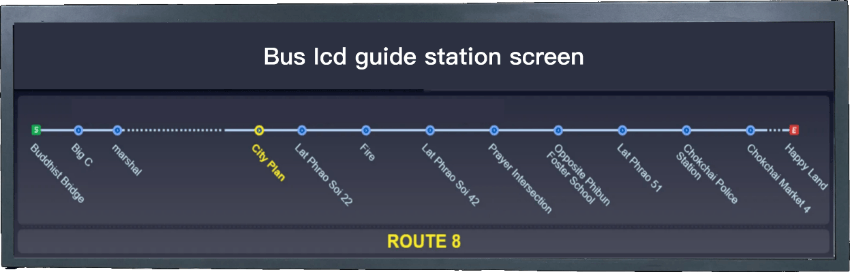
These components include both in-vehicle guidance screens and outdoor electronic stop signs. In-vehicle screens display real-time arrival information, transfer suggestions, and advertisements. Outdoor signs inform waiting passengers of upcoming bus arrivals while also displaying weather, news, and public service announcements.
This dual approach ensures passengers receive consistent information whether they’re inside the bus or at the stop. The real-time updates reduce uncertainty and improve the overall travel experience. For cities, these displays contribute to a modern, tech-savvy image while providing a valuable communication channel for public information.
5. CAN Data Acquisition Terminal
Acting as the “health black box” for new energy vehicles, this terminal collects critical data such as speed, battery level, temperature, motor status, and fault alerts through the vehicle’s CAN bus. It uploads this information to a management platform in real-time, allowing fleet operators to monitor vehicle health and address potential issues before they escalate.
For electric bus fleets, this component is indispensable. It provides the visibility needed to manage battery performance, optimize charging schedules, and prevent breakdowns. The data collected can also inform maintenance strategies and help extend vehicle lifespans, reducing total cost of ownership for transit operators.
Global Implementation of Smart Transportation Solutions
Xiamen Lans Communication Co., Ltd. has successfully implemented its smart transportation solutions in over 400 cities worldwide, with equipment installed in more than 1 million vehicles. This global footprint demonstrates the scalability and adaptability of their systems across diverse operational environments and cultural contexts.
In domestic markets, the company serves prominent transit groups including Xiamen Bus, Chengdu Bus, and Haiqi Group. These implementations have resulted in measurable improvements in safety, efficiency, and passenger satisfaction. For instance, the AI-powered safety features have contributed to significant reductions in accident rates for participating fleets.
Internationally, Lans Communication has formed strategic partnerships with major vehicle manufacturers such as Huawei, Yutong, and King Long. Their joint solutions have been exported to over 40 countries including Thailand, South Africa, Saudi Arabia, UAE, Mongolia, Pakistan, and Malaysia. This international presence reflects the universal appeal of their technology and its ability to meet the specific requirements of different markets.
The company’s approach to global expansion emphasizes localization. Their systems are designed to accommodate multiple languages, regional regulatory requirements, and cultural preferences in information display. This flexibility has been key to their success in diverse markets, from densely populated Asian cities to sprawling Middle Eastern metropolises.
| Implementation Region | Key Projects | Outcomes |
|---|---|---|
| Southeast Asia | Bangkok, Kuala Lumpur public transport upgrades | 30% reduction in passenger complaints, 20% improvement in on-time performance |
| Middle East | Dubai, Riyadh smart bus systems | 45% increase in passenger numbers, 25% reduction in operational costs |
| Africa | Johannesburg, Cairo public transport modernization | 50% improvement in safety incident response times, 35% increase in ridership |
Technical Innovations Driving System Effectiveness
The success of Lans Communication’s passenger information systems stems from continuous technical innovation across multiple domains. These advancements ensure their solutions remain at the forefront of smart transportation technology while addressing evolving market needs.
One key innovation area is AI integration. The company’s proprietary algorithms enable real-time analysis of video feeds, driving patterns, and vehicle data to detect anomalies and predict potential issues. This predictive capability allows for proactive maintenance and safety interventions, significantly reducing downtime and accident rates.
Another important development is in connectivity solutions. Recognizing that reliable data transmission is critical for system effectiveness, Lans Communication has engineered hybrid communication modules that seamlessly switch between 4G, Wi-Fi, and offline modes. This ensures consistent system performance even in areas with intermittent network coverage.
The company has also invested heavily in power management technologies to address the unique challenges of bus environments. Their systems feature optimized power consumption profiles and intelligent battery management to ensure reliable operation throughout long service routes without excessive energy draw.
Security represents another focus area. With increasing concerns about data privacy and system vulnerabilities, Lans Communication implements multi-layered security protocols including end-to-end encryption, secure boot processes, and regular firmware updates. These measures protect both passenger data and operational integrity.
FAQ
What makes bus passenger information display systems essential for modern public transport?
These systems enhance passenger experience by providing real-time information, improve operational efficiency through better resource management, and significantly boost safety through advanced monitoring and alert capabilities. They serve as the communication bridge between transit authorities and passengers while enabling data-driven decision making.
How do AI-powered features in bus terminals improve safety?
AI algorithms analyze video feeds and sensor data to detect potential hazards like lane departures, front collisions, and driver fatigue. The system can issue immediate warnings to drivers and automatically alert control centers in emergencies, enabling rapid response to prevent accidents.
What advantages do multi-payment terminals offer to transit operators?
Multi-payment terminals accommodate diverse passenger preferences, reduce boarding times, and provide comprehensive transaction data. This improves operational efficiency, enhances passenger satisfaction, and generates valuable insights for revenue management and service optimization.
How does CAN data acquisition benefit electric bus fleets?
CAN data acquisition provides real-time visibility into vehicle health metrics like battery status, motor performance, and fault indicators. This enables predictive maintenance, optimized charging schedules, and early issue detection, all of which reduce downtime and extend vehicle lifespans.
What considerations are important for global implementations of passenger information systems?
Key considerations include language support, compliance with local regulations, adaptation to regional operational practices, and cultural sensitivity in information display. Systems must be flexible enough to accommodate different vehicle models and network infrastructure conditions.
Summary
Bus passenger information display systems represent a critical component of modern smart transportation infrastructure. By integrating advanced technologies like AI, real-time data analytics, and multi-modal communication, these systems address the core challenges of public transport: safety, efficiency, and passenger experience. Xiamen Lans Communication Co., Ltd. has demonstrated global leadership in this field through their comprehensive product suite and successful implementations across diverse markets.
Their approach combines technical innovation with practical solutions tailored to specific regional requirements. The company’s commitment to continuous improvement ensures their systems evolve alongside technological advancements and changing market demands. For transit authorities worldwide, partnering with such a provider offers access to proven solutions that can transform public transport operations while delivering measurable benefits to passengers and operators alike.
As cities continue to invest in smart transportation initiatives, the role of advanced passenger information systems will only grow in importance. The experience and expertise of companies like Lans Communication provide valuable insights into how technology can create safer, more efficient, and more appealing public transport networks for the urban populations of tomorrow.