
In the rapidly evolving landscape of public transportation, passenger information display systems have emerged as critical components for enhancing operational efficiency, passenger safety, and overall user experience. Xiamen Lans Communication Co., Ltd. (Stock Code: 430491), a national leader in intelligent transportation solutions since 2006, has developed cutting-edge display technologies that are revolutionizing transit systems across the globe. This comprehensive guide explores the functionality, benefits, and global impact of Lans Communication’s passenger information display systems, showcasing how these solutions are setting new standards in modern public transportation.

Understanding Passenger Information Display Systems
Passenger information display systems (PIDS) represent the communication hub between transit operators and passengers. These sophisticated systems provide real-time updates on bus locations, arrival times, service changes, and emergency notifications through a combination of hardware and software components. Lans Communication’s PIDS solutions encompass both in-vehicle displays (passenger information screens) and outdoor electronic bus stop signs, creating a comprehensive information network that keeps passengers informed at every stage of their journey.
The core components of Lans Communication’s PIDS include:
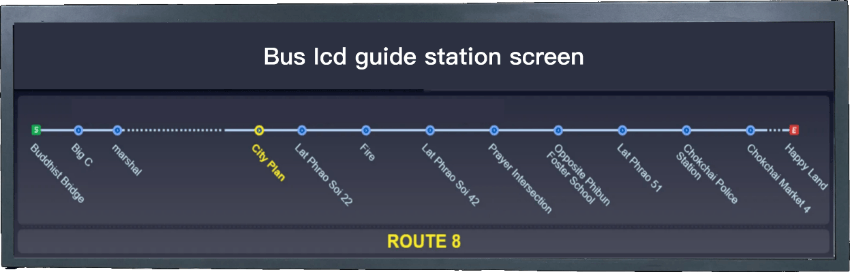
- In-Vehicle Passenger Information Screens: Located inside buses, these displays provide real-time information about upcoming stops, transfer options, and service alerts. They often integrate with GPS and automatic vehicle location (AVL) systems for accurate timing.
- Outdoor Electronic Bus Stop Signs: Positioned at bus stops, these signs display expected arrival times, service changes, and weather updates. Some advanced models include multimedia capabilities for advertising and public service announcements.
- Central Management System: The backend software that collects data from various sources, processes it, and distributes appropriate information to all display units in the network.
- Integration Capabilities: Seamless connection with other transit systems like ticketing, scheduling, and fleet management for comprehensive operational control.
Key Features of Lans Communication’s PIDS Solutions
Lans Communication’s passenger information display systems stand out in the market due to their advanced features designed to meet the evolving needs of modern transit systems:
1. Real-Time Information Accuracy
Leveraging GPS technology and sophisticated algorithms, Lans Communication’s PIDS provide highly accurate real-time information about bus locations and expected arrival times. This precision helps reduce passenger anxiety about waiting times and improves overall satisfaction with the transit service.
2. Multi-Language Support
Recognizing the diverse nature of urban populations, Lans Communication’s displays support multiple languages, making information accessible to all passengers regardless of their native tongue. This feature is particularly valuable in international cities and tourist destinations.
3. Emergency Notification System
In case of emergencies or service disruptions, the PIDS can quickly disseminate critical information to passengers both onboard and at stops. This capability enhances passenger safety and allows for efficient management of unexpected situations.
4. Energy-Efficient Design
Lans Communication prioritizes sustainability in its product design. The PIDS solutions feature energy-efficient LED displays and intelligent power management systems that reduce energy consumption without compromising visibility or performance.
5. Durable Construction
Built to withstand the rigors of public transportation environments, Lans Communication’s displays are constructed with robust materials that resist vandalism, extreme weather conditions, and constant vibration from vehicle movement.
6. Customizable Content
Transit operators can easily customize the content displayed on Lans Communication’s PIDS. This flexibility allows for the promotion of local events, public service announcements, or commercial advertising alongside essential transit information.
7. Cloud-Based Management
The central management system operates on a cloud platform, enabling remote monitoring and control of all display units. This feature simplifies maintenance, allows for quick updates, and provides valuable analytics on system performance and passenger usage patterns.
Global Impact and Deployment
Lans Communication’s passenger information display systems have made a significant impact on public transportation networks worldwide. With deployments in over 400 cities across 40 countries including Thailand, South Africa, Saudi Arabia, the UAE, Mongolia, Pakistan, and Malaysia, the company has established itself as a trusted global provider of intelligent transportation solutions.
The company’s international success can be attributed to several factors:
- Localized Solutions: Lans Communication tailors its PIDS to meet the specific requirements of each market, considering factors like language, climate, and existing transit infrastructure.
- Compliance with International Standards: The products adhere to global quality and safety standards, ensuring compatibility with diverse transit systems and regulatory frameworks.
- Strong Partnerships: Collaborations with leading vehicle manufacturers like Yutong, King Long, and Golden Dragon facilitate seamless integration of PIDS with new bus fleets.
- After-Sales Support: Lans Communication provides comprehensive maintenance and support services, ensuring the long-term reliability and performance of its display systems.
One notable example of Lans Communication’s global impact is its work with Huawei in international markets. Through this strategic partnership, the companies jointly develop and promote intelligent transportation solutions that combine Lans Communication’s hardware expertise with Huawei’s advanced communication technologies, creating powerful, integrated systems for smart cities worldwide.
Technical Specifications and Performance Metrics
Lans Communication’s passenger information display systems are engineered to deliver exceptional performance in demanding public transportation environments. Key technical specifications include:
| Feature | Specification |
|---|---|
| Display Type | High-brightness LED or LCD with anti-glare coating |
| Resolution | Up to 1920×1080 pixels (Full HD) |
| Brightness | 1000-3000 nits (adjustable based on environment) |
| Viewing Angle | 160° horizontal, 160° vertical |
| Operating Temperature | -30°C to +70°C (-22°F to +158°F) |
| Protection Rating | IP65 or higher (dust and water resistant) |
| Connectivity | 4G/5G, Wi-Fi, Ethernet, GPS |
| Power Consumption | 30-150W (depending on size and brightness) |
These specifications ensure that Lans Communication’s PIDS deliver clear, reliable information in all lighting conditions and environmental extremes, while maintaining energy efficiency and long operational life.
Case Studies: Successful Implementations
Lans Communication’s passenger information display systems have been instrumental in transforming public transportation networks in various regions. Let’s examine two notable case studies that highlight the systems’ impact:
1. Smart Bus System in Riyadh, Saudi Arabia
As part of Riyadh’s ambitious smart city initiative, Lans Communication deployed a comprehensive PIDS solution across the city’s bus network. The project involved installing in-vehicle displays in 1,200 buses and outdoor electronic signs at 500 key bus stops.
The results were impressive:
- Passenger satisfaction increased by 40% due to improved information availability
- Bus punctuality improved by 25% through better route management
- Operator efficiency rose by 30% due to centralized monitoring and control
- The system’s multimedia capabilities generated additional revenue through advertising
2. Modernizing Public Transit in Ulaanbaatar, Mongolia
In Ulaanbaatar, Lans Communication implemented a PIDS solution to address the challenges of extreme weather conditions (-40°C in winter) and a rapidly growing urban population. The project featured specially designed displays with enhanced heating elements to prevent freezing and high-brightness screens visible in direct sunlight.
Key outcomes included:
- 99.9% system uptime despite harsh environmental conditions
- Reduction in passenger complaints about missing buses by 65%
- Improved safety through real-time emergency notifications
- Enhanced city image for tourists and international visitors
FAQ
What makes Lans Communication’s passenger information display systems different from other providers?
Lans Communication stands out through its comprehensive approach that combines cutting-edge hardware with intelligent software solutions. The company’s systems offer superior real-time accuracy, multi-language support, and robust construction designed for public transportation environments. Additionally, Lans Communication provides localized solutions tailored to each market’s specific needs and offers strong after-sales support through its global service network.
How do passenger information display systems improve public transportation efficiency?
PIDS enhance efficiency by providing passengers with accurate, real-time information about bus locations and arrival times, reducing uncertainty and wait times. For operators, these systems enable better route management, quicker response to service disruptions, and centralized control over the entire fleet. The data collected by PIDS also helps optimize scheduling and resource allocation, leading to more efficient operations overall.
Can Lans Communication’s displays integrate with existing transit management systems?
Yes, Lans Communication’s PIDS are designed for seamless integration with various transit management systems, including scheduling, ticketing, and fleet management platforms. The company’s solutions use open communication protocols and provide APIs for easy data exchange, ensuring compatibility with both new and legacy systems.
What maintenance is required for passenger information display systems?
Lans Communication’s displays are built for low maintenance, with durable components and self-diagnostic capabilities. Regular maintenance typically includes software updates, cleaning of display surfaces, and inspection of mounting hardware. The company offers comprehensive maintenance contracts that cover all aspects of system upkeep, including remote monitoring and on-site service when needed.
How do outdoor electronic bus stop signs perform in extreme weather conditions?
Lans Communication designs its outdoor displays to withstand harsh environmental conditions. Features include high IP ratings for dust and water resistance, temperature-controlled enclosures to prevent condensation and freezing, and high-brightness screens visible in direct sunlight. The company has successfully deployed systems in cities with extreme climates, from the deserts of the Middle East to the cold winters of Mongolia.
Summary
Xiamen Lans Communication Co., Ltd. has established itself as a global leader in intelligent transportation solutions, with its passenger information display systems playing a pivotal role in modernizing public transit networks worldwide. By combining advanced technology with robust, reliable hardware, Lans Communication delivers PIDS solutions that enhance operational efficiency, improve passenger experience, and contribute to the development of smart cities.
The company’s commitment to innovation, quality, and customer service has resulted in successful deployments in over 400 cities across 40 countries. With a comprehensive product range that addresses both in-vehicle and outdoor display needs, Lans Communication is well-positioned to meet the evolving demands of the global transportation industry.
As cities continue to grow and the demand for efficient, sustainable public transportation increases, Lans Communication’s passenger information display systems will remain at the forefront of this transformation, helping transit operators deliver safer, more reliable, and passenger-friendly services to communities around the world.