
In the realm of public transportation, efficiency, safety, and passenger experience are paramount. Xiamen Lans Communication Co., Ltd., a leading provider of intelligent transportation solutions, has been at the forefront of transforming the public transit landscape with its innovative smart bus electronic signboard displays and systems. With a rich history spanning nearly two decades, Lans has established itself as a trusted partner for transit authorities worldwide, offering cutting-edge technologies that streamline operations, enhance safety, and improve the overall commuting experience.
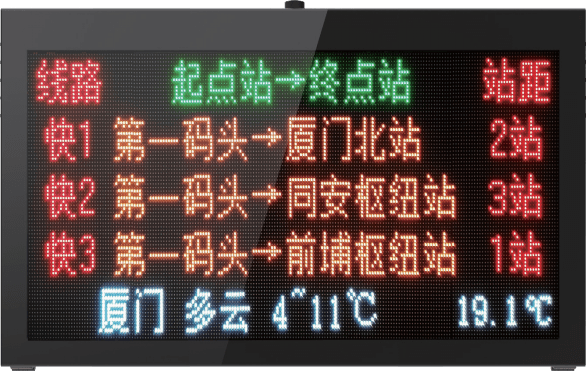
The Evolution of Bus Stop Information Displays
Gone are the days when passengers had to rely solely on timetables or guesswork to determine when their next bus would arrive. Today, smart bus electronic signboard displays have become an integral part of urban infrastructure, providing real-time information that keeps commuters informed and engaged. Lans’s state-of-the-art displays are designed to withstand the rigors of outdoor environments, featuring waterproof and dustproof designs that ensure reliable performance in any weather condition.
These displays are not just informational tools; they are intelligent systems that integrate seamlessly with existing transit management platforms. By leveraging advanced technologies such as GPS tracking, AI algorithms, and cloud computing, Lans’s electronic signboards deliver accurate and up-to-date information on bus arrivals, departures, and route changes. This level of transparency and communication fosters trust between transit authorities and passengers, leading to increased ridership and improved customer satisfaction.
Key Features of Lans’s Smart Bus Electronic Signboard Displays
Lans’s smart bus electronic signboard displays are packed with features that set them apart from traditional displays. One of the most notable features is their high-resolution, sunlight-readable screens that ensure clear visibility even in bright daylight. This is crucial for outdoor applications where passengers need to quickly and easily access information from a distance.
Another key feature is the displays’ ability to support multiple languages, catering to the diverse needs of international cities and tourist destinations. This multilingual capability enhances accessibility and inclusivity, making public transportation more user-friendly for everyone.
Lans’s displays also incorporate advanced sensors and connectivity options, enabling them to interact with other smart city infrastructure components. For example, they can receive data from traffic management systems to provide real-time updates on road conditions and potential delays. This integrated approach to information dissemination ensures that passengers have a comprehensive understanding of their journey, from start to finish.
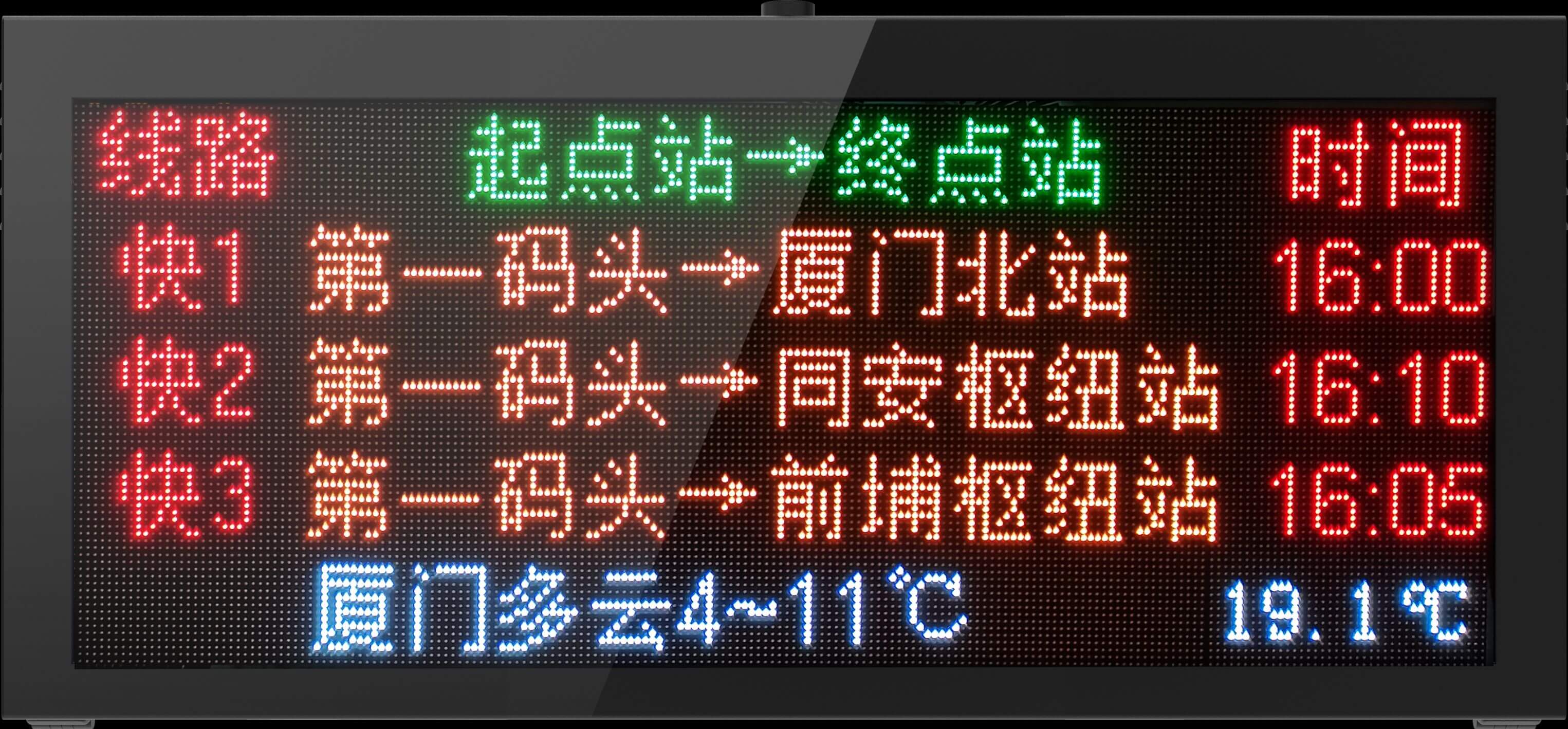
Solar-Powered Electronic Signboards: A Sustainable Solution
In response to the growing demand for sustainable and eco-friendly transportation solutions, Lans has developed solar-powered electronic signboards that harness the power of the sun to operate. These signboards are equipped with high-efficiency solar panels and energy storage systems that ensure continuous operation, even in areas with limited access to the electrical grid.
The use of solar power not only reduces the carbon footprint of public transportation but also lowers operational costs for transit authorities. By eliminating the need for traditional power sources, solar-powered signboards offer a cost-effective and environmentally friendly alternative that aligns with global sustainability goals.
Urban Bus Electronic Signboard Systems: A Comprehensive Approach
Lans’s urban bus electronic signboard systems are more than just individual displays; they are part of a larger ecosystem that encompasses hardware, software, and services designed to optimize public transportation operations. These systems integrate seamlessly with existing transit management platforms, providing a unified view of fleet performance, passenger flow, and operational efficiency.
One of the key components of Lans’s systems is the central management software, which allows transit authorities to remotely monitor and control all electronic signboards from a single interface. This centralized approach simplifies maintenance and updates, ensuring that all displays are synchronized and delivering accurate information at all times.
The software also includes advanced analytics tools that provide insights into passenger behavior, peak hours, and route popularity. By analyzing this data, transit authorities can make informed decisions about service adjustments, route optimizations, and resource allocations, leading to improved operational efficiency and cost savings.
MaaS Integration: The Future of Public Transportation
As the concept of Mobility as a Service (MaaS) gains traction globally, Lans is at the forefront of integrating its electronic signboard systems with MaaS platforms. MaaS aims to provide passengers with a seamless and personalized travel experience by integrating various modes of transportation, such as buses, trains, taxis, and shared mobility services, into a single digital platform.
Lans’s electronic signboards play a crucial role in this ecosystem by providing real-time information on bus arrivals, departures, and connections with other transportation modes. By integrating with MaaS platforms, these signboards enable passengers to plan their journeys more efficiently, reducing wait times and improving overall travel satisfaction.
Global Applications and Success Stories
Lans’s smart bus electronic signboard displays and systems have been successfully implemented in over 400 cities worldwide, transforming public transportation networks and enhancing the commuting experience for millions of passengers. From bustling metropolises to remote towns, Lans’s solutions have proven their versatility and effectiveness in diverse environments and cultural contexts.
One notable success story is the partnership with a major transit authority in Southeast Asia, where Lans’s electronic signboards were deployed across a vast network of bus stops. The project not only improved the visibility and accuracy of bus arrival information but also reduced passenger complaints and increased ridership. The transit authority reported significant cost savings due to reduced maintenance requirements and improved operational efficiency.
In another project, Lans collaborated with a European city to integrate its electronic signboards with the city’s existing smart city infrastructure. This integration enabled the signboards to receive real-time updates on road conditions, traffic congestion, and weather forecasts, providing passengers with a comprehensive understanding of their journey. The project was hailed as a model for smart city development and received widespread recognition for its innovative approach to public transportation management.
FAQ
What are the main benefits of using smart bus electronic signboard displays?
Smart bus electronic signboard displays offer several key benefits, including improved passenger information accuracy, enhanced visibility in all weather conditions, support for multiple languages, and integration with other smart city infrastructure components. These displays also contribute to increased operational efficiency, reduced maintenance costs, and improved passenger satisfaction.
How do solar-powered electronic signboards work?
Solar-powered electronic signboards harness the power of the sun through high-efficiency solar panels. The energy generated by these panels is stored in batteries, which power the display even when there is limited or no sunlight. This sustainable and eco-friendly solution reduces the carbon footprint of public transportation and lowers operational costs for transit authorities.
Can Lans’s electronic signboards integrate with existing transit management platforms?
Yes, Lans’s electronic signboards are designed to integrate seamlessly with existing transit management platforms. This integration allows transit authorities to remotely monitor and control all displays from a single interface, simplifying maintenance and updates. The central management software also includes advanced analytics tools that provide insights into passenger behavior and operational efficiency.
What is MaaS, and how do Lans’s electronic signboards support it?
Mobility as a Service (MaaS) is a concept that aims to provide passengers with a seamless and personalized travel experience by integrating various modes of transportation into a single digital platform. Lans’s electronic signboards support MaaS by providing real-time information on bus arrivals, departures, and connections with other transportation modes. This integration enables passengers to plan their journeys more efficiently and improves overall travel satisfaction.
How does Lans ensure the reliability and durability of its electronic signboards?
Lans ensures the reliability and durability of its electronic signboards through rigorous testing and quality control processes. The displays are designed to withstand the rigors of outdoor environments, featuring waterproof and dustproof designs that ensure reliable performance in any weather condition. Lans also offers comprehensive after-sales support and maintenance services to ensure that its displays continue to operate at peak performance throughout their lifespan.
Summary
Xiamen Lans Communication Co., Ltd.’s smart bus electronic signboard displays and systems are revolutionizing public transportation by providing accurate, real-time information that enhances the commuting experience for passengers worldwide. With features such as high-resolution screens, multilingual support, solar power, and MaaS integration, Lans’s solutions are setting new standards for efficiency, sustainability, and passenger satisfaction. As the demand for intelligent transportation solutions continues to grow, Lans remains committed to innovation and excellence, driving the future of public transportation forward.