
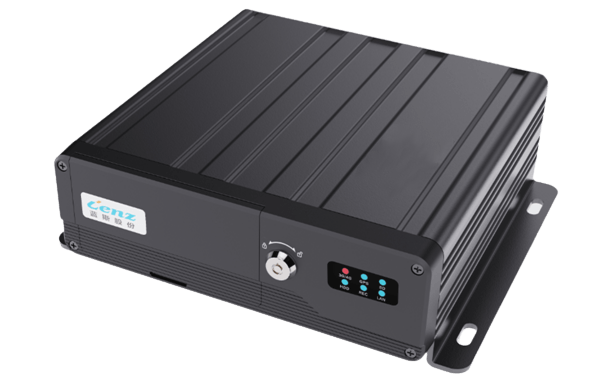
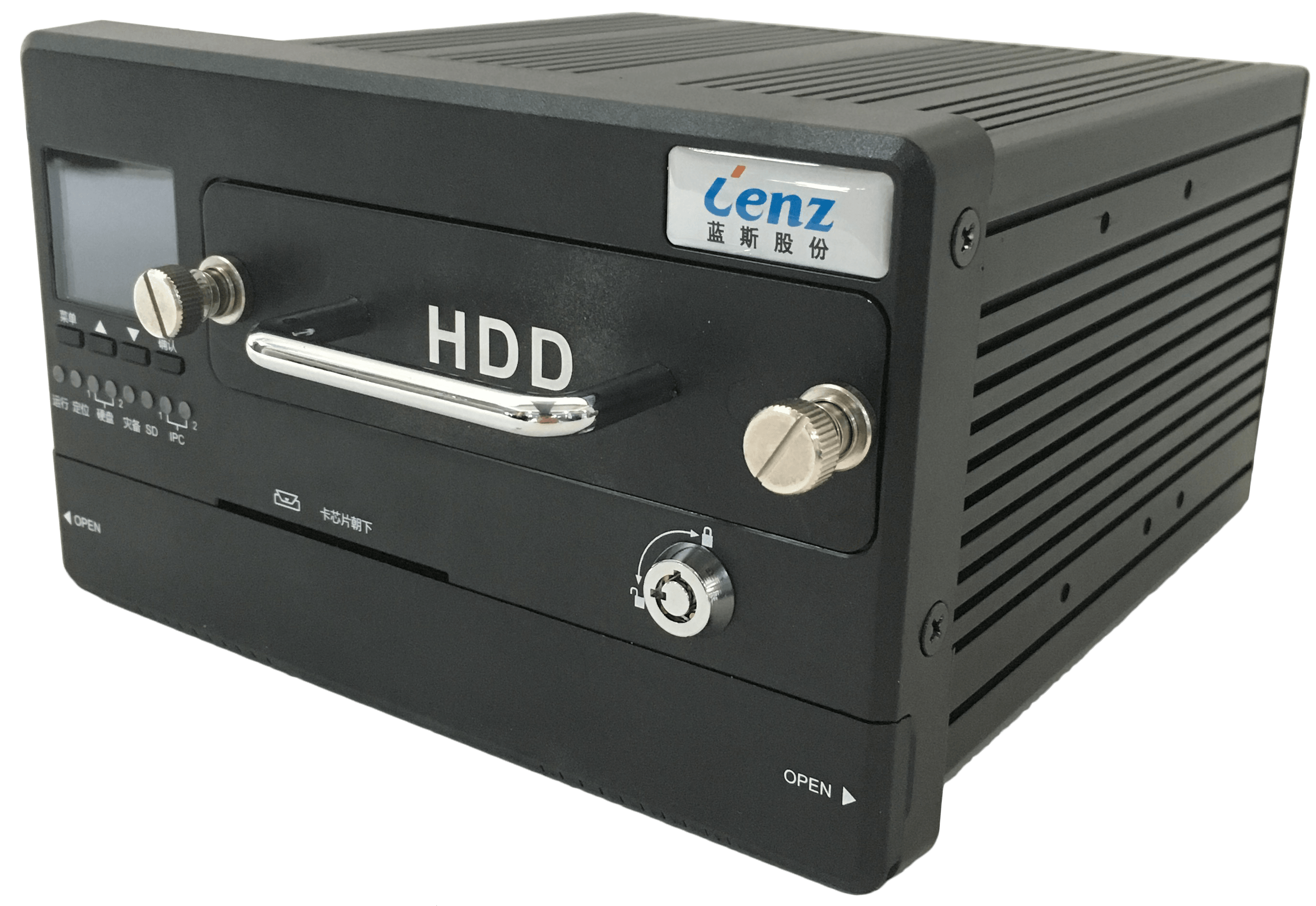
In the era of intelligent transportation, public transport operators worldwide face unprecedented challenges in ensuring passenger safety, operational efficiency, and service quality. Xiamen Lans Communication Co., Ltd. (Stock Code: 430491), a national leader in smart transportation solutions with nearly two decades of industry expertise, has developed a groundbreaking solution – the Onboard Full HD Bus AI Terminal. This innovative device serves as the “brain and eyes” of modern buses, integrating multiple critical functions into a single platform that transforms traditional public transport operations.
The Core Technology Behind Smart Public Transport
The Onboard Full HD Bus AI Terminal represents a quantum leap in public transport technology by combining several advanced capabilities in one compact device. At its heart lies a powerful AI processing unit capable of real-time video analytics, pattern recognition, and decision-making algorithms that process over 200 data points per second. This edge computing capability ensures immediate response to critical situations without relying on cloud processing, which is crucial for maintaining safety standards even in areas with limited network connectivity.
The terminal’s multi-camera system provides 360-degree coverage of both the vehicle interior and exterior. Strategically positioned cameras include forward-facing ADAS (Advanced Driver Assistance System) units, driver monitoring systems (DMS), blind spot detection (BSD) cameras, and dual-lens passenger counting cameras. Each camera is optimized for its specific function with specialized lenses and image processing algorithms, ensuring maximum effectiveness in diverse operating conditions.
One of the terminal’s most innovative features is its ability to perform complex AI-driven analysis directly on the device. This edge computing approach reduces latency to milliseconds for critical safety functions while minimizing bandwidth requirements for non-essential data transmission. The system can process up to 8 concurrent video streams in real-time, performing object detection, behavior analysis, and anomaly detection with greater than 98% accuracy under normal operating conditions.
Comprehensive Safety Management System
Safety remains the paramount concern for public transport operators, and the Onboard Full HD Bus AI Terminal addresses this through multiple layers of protection. The driver monitoring system uses computer vision algorithms to track head position, eye closure frequency, and facial expressions to detect signs of fatigue or distraction. When potential risks are identified, the system immediately triggers audible and visual alerts in the cabin while simultaneously notifying the central control center.
The forward collision warning system analyzes road conditions ahead using the ADAS camera, calculating time-to-collision metrics and alerting drivers when safe following distances are compromised. Lane departure warnings complement this by monitoring vehicle position relative to lane markings, particularly valuable on highways and in construction zones where lane changes are frequent.
Blind spot detection enhances safety during maneuvers by providing real-time visual and auditory alerts when obstacles or pedestrians are detected in areas not visible through mirrors. This is particularly crucial in urban environments with heavy pedestrian traffic and complex road layouts. The system’s detection range extends up to 8 meters laterally and 3 meters rearward, covering the most critical blind spot areas for buses.
Advanced Passenger Management Capabilities
Beyond safety, the terminal provides powerful tools for optimizing passenger services and operational efficiency. The dual-lens passenger counting system uses stereoscopic vision and machine learning algorithms to accurately track boarding and alighting passengers, even in crowded conditions. This data feeds directly into fleet management systems, enabling real-time occupancy monitoring and dynamic scheduling adjustments.
The automatic announcement system integrates with GPS and GIS data to provide accurate, location-based announcements in multiple languages. This not only improves passenger experience but also ensures compliance with accessibility regulations for visually impaired travelers. The system supports both pre-recorded and text-to-speech announcements, with automatic volume adjustment based on ambient noise levels.
For enhanced security, the terminal includes facial recognition capabilities that can be configured for various applications, from identifying banned passengers to verifying employee credentials during shift changes. When integrated with central management systems, this feature provides an additional layer of protection against unauthorized vehicle access or operational irregularities.
Global Implementation Success Stories
Xiamen Lans Communication’s smart transportation solutions have been deployed in over 400 cities worldwide, with more than 1 million devices installed across diverse operating environments. In Bangkok, Thailand, a major public transport operator reported a 42% reduction in accident rates within the first six months of implementing the AI terminal system, along with a 28% improvement in on-time performance due to better traffic flow management.
In Johannesburg, South Africa, a fleet operator using the system achieved significant operational efficiencies through real-time passenger counting and dynamic scheduling. The data-driven approach reduced empty running by 19% while improving passenger satisfaction scores by 31% according to post-implementation surveys. These improvements were achieved without increasing fleet size or operational costs.
| Implementation Region | Key Benefits Achieved | Timeframe |
|---|---|---|
| Southeast Asia | 37% reduction in safety incidents, 22% fuel savings | 12 months |
| Middle East | 45% improvement in passenger flow management | 8 months |
| Africa | 31% reduction in operational complaints | 6 months |
The system’s adaptability to different regulatory environments and operational requirements has been a key factor in its global success. In Europe, where data privacy regulations are particularly stringent, the terminal’s onboard processing capability ensures that sensitive data remains within the vehicle until explicitly authorized for transmission, meeting GDPR and other local compliance standards.
FAQ
What makes the Onboard Full HD Bus AI Terminal different from traditional monitoring systems?
The terminal integrates multiple functions into one device including AI video analytics, safety monitoring, passenger counting, and automatic announcements. Its edge computing capability enables real-time processing without cloud dependency, ensuring immediate response to safety incidents even in areas with poor network coverage. Traditional systems typically require separate devices for each function and lack real-time AI processing capabilities.
How does the system handle false alerts in driver monitoring?
Our advanced algorithms incorporate contextual awareness to minimize false positives. The system analyzes multiple factors simultaneously including eye closure duration, head position changes, steering patterns, and vehicle speed before triggering alerts. Regular software updates continuously improve detection accuracy based on real-world operational data from global deployments.
Can the passenger counting system work in crowded conditions?
Yes, the dual-lens stereoscopic counting system maintains accuracy above 98% even during peak hours. It uses machine learning to distinguish between passengers and objects, and can handle multiple boarding/alighting events simultaneously. The system self-calibrates for different vehicle types and door configurations during installation.
What network requirements does the system have?
The terminal supports multiple connectivity options including 4G/LTE, Wi-Fi, and Ethernet. For safety-critical functions, all processing happens locally on the device. Non-essential data like passenger counts can be buffered and transmitted when network becomes available, ensuring continuous operation even in areas with intermittent connectivity.
How does the system integrate with existing fleet management platforms?
We provide comprehensive APIs and SDKs for seamless integration with most major fleet management systems. Our technical team works closely with clients during implementation to ensure smooth data flow between the terminal and existing infrastructure. The system also supports standard protocols like MQTT and REST for easy integration.
Summary
The Onboard Full HD Bus AI Terminal from Xiamen Lans Communication represents a paradigm shift in public transport safety and efficiency management. By combining multiple critical functions into a single, intelligent device with edge computing capabilities, the system provides operators with unprecedented visibility and control over their fleets. The solution’s proven effectiveness in diverse global environments demonstrates its adaptability to different operational requirements and regulatory frameworks.
For public transport authorities seeking to modernize their fleets, this technology offers a comprehensive solution that addresses both immediate safety concerns and long-term operational efficiency goals. The system’s modular design allows for phased implementation, enabling operators to start with core safety functions and gradually expand to include passenger management and operational optimization features as needed.
As cities worldwide continue to invest in smart transportation infrastructure, solutions like the Onboard Full HD Bus AI Terminal will play an increasingly vital role in creating safer, more efficient, and passenger-friendly public transport systems. The combination of advanced AI technology, robust hardware design, and global implementation experience positions Xiamen Lans Communication as a trusted partner for public transport operators preparing for the future of urban mobility.