
Public transportation systems worldwide face increasing pressure to improve efficiency, safety, and passenger experience while managing operational costs. In this context, intelligent transportation solutions have become essential for modern cities. Among these innovations, the in-vehicle passenger information display terminal stands out as a transformative technology that enhances every aspect of bus operations and passenger services.
As a leading provider of smart transportation solutions, Xiamen Lans Communication Co., Ltd. (Stock Code: 430491) has developed cutting-edge passenger information display terminals that serve as the “brain and eyes” of modern public transportation vehicles. These devices integrate multiple functions to provide real-time information, improve safety monitoring, and streamline operations for transit agencies worldwide.
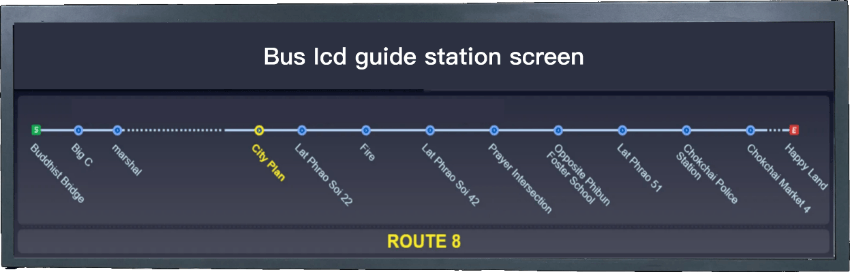
The Core Functions of In-Vehicle Passenger Information Display Terminals
Modern passenger information display terminals represent a significant leap forward from traditional static signage. These intelligent devices combine hardware and software to deliver dynamic, real-time information to both passengers and operators. The key functions include:
1. Real-Time Route and Arrival Information
The primary function of these terminals is to display accurate, up-to-date information about bus routes, stops, and estimated arrival times. This feature helps passengers plan their journeys more effectively, reducing uncertainty and improving overall satisfaction with public transportation services.
Advanced systems integrate with GPS and scheduling software to provide precise arrival predictions, even accounting for traffic conditions and delays. This real-time data synchronization ensures passengers receive the most current information possible.
2. Multi-Modal Transportation Integration
Leading passenger information display terminals support MaaS (Mobility as a Service) integration, providing information about connecting transportation modes such as trains, trams, or bike-sharing systems. This comprehensive approach helps create seamless intermodal journeys, encouraging greater use of public transportation.
3. Emergency Alert System
Safety remains paramount in public transportation. Modern terminals include emergency alert capabilities that can display critical safety information to passengers instantly. This might include evacuation instructions, security alerts, or information about medical emergencies on board.
4. Passenger Counting and Analytics
Some advanced terminals incorporate passenger counting technology using sensors or cameras. This data helps transit agencies optimize routes, schedule vehicles more efficiently, and understand passenger flow patterns to improve service quality.

Technical Specifications and Implementation
Xiamen Lans Communication’s passenger information display terminals represent state-of-the-art technology designed for demanding public transportation environments. Key technical specifications include:
- Display Technology: High-brightness, anti-glare LCD screens visible in all lighting conditions
- Connectivity: Multiple communication options including 4G/5G, Wi-Fi, and GPS for reliable data transmission
- Durability: Industrial-grade components rated for extended operation in varying temperatures and vibrations
- Power Efficiency: Optimized power consumption to work with vehicle electrical systems
- Software Platform: Cloud-based management system for remote updates and content control
Implementation of these terminals involves careful integration with existing vehicle systems and transit agency operations. Xiamen Lans Communication provides end-to-end services including:
- Needs assessment and system design
- Hardware installation and integration
- Software configuration and customization
- Operator training and documentation
- Ongoing technical support and maintenance
Global Implementation and Success Stories
Xiamen Lans Communication’s passenger information display terminals have been implemented in over 400 cities worldwide, with equipment installed in more than 1 million vehicles. This global reach demonstrates the universal applicability and reliability of their solutions across diverse transportation environments.
Case Study: Urban Transit Modernization in Southeast Asia
In a major Southeast Asian city, Xiamen Lans Communication partnered with the local transit authority to upgrade 2,000 buses with intelligent passenger information systems. The project included:
- Installation of 12.3-inch high-definition displays in each vehicle
- Integration with existing GPS and scheduling systems
- Development of multilingual interfaces for diverse passenger groups
- Training for drivers and maintenance personnel
The results were significant: passenger satisfaction increased by 35% within six months, while operational costs related to passenger inquiries decreased by 28%. The real-time information helped reduce perceived wait times and improved the overall perception of the transit system’s reliability.
Case Study: Safety Enhancement in Middle Eastern Public Transport
A Middle Eastern capital city implemented Xiamen Lans Communication’s advanced terminals as part of a comprehensive safety upgrade across its bus fleet. Key features included:
- Emergency alert integration with central control
- Real-time monitoring of vehicle conditions
- Passenger counting for crowd management during events
- Multilingual safety announcements
This implementation demonstrated how passenger information terminals could extend beyond information display to become integral components of vehicle safety systems. The project received international recognition for its innovative approach to public transportation security.
Comparative Analysis with Traditional Solutions
When evaluating passenger information display terminals, transit agencies must consider how these systems compare to traditional static signage or basic LED displays. The advantages of modern intelligent terminals become clear when examining several key factors:
| Feature | Traditional Solutions | Intelligent Terminals |
|---|---|---|
| Information Update Frequency | Static or manual updates | Real-time automatic updates |
| Passenger Interaction | None | Emergency alerts, service requests |
| Operational Data Collection | None | Passenger counts, system diagnostics |
| Maintenance Requirements | Low complexity | Higher initial complexity, but centralized management reduces long-term costs |
| Scalability | Limited | Highly scalable with cloud-based management |
This comparison reveals that while traditional solutions may have lower initial costs, intelligent terminals offer significantly greater value over their lifecycle through improved service quality, operational efficiency, and passenger satisfaction.
FAQ
What makes an in-vehicle passenger information display terminal different from a regular monitor?
In-vehicle passenger information display terminals are specifically designed for the demanding environment of public transportation. They feature rugged, industrial-grade components that can withstand vibrations, temperature extremes, and continuous operation. These terminals also integrate specialized software for real-time data display, emergency alerts, and connectivity with vehicle systems that regular monitors lack.
How do these terminals receive real-time information?
The terminals connect to transit agency central systems through various communication methods including 4G/5G cellular networks, Wi-Fi, or dedicated radio frequencies. This connection allows them to receive constantly updated information about schedules, routes, service alerts, and other critical data. Some advanced systems also incorporate GPS for precise location tracking and arrival time predictions.
Can these terminals work in areas with poor cellular coverage?
Yes, modern passenger information display terminals are designed with connectivity redundancy. In areas with poor cellular coverage, they can store scheduled information locally and update when connection is restored. Some systems also use satellite communication or onboard sensors to provide basic information even without external connectivity.
What maintenance is required for these systems?
Maintenance requirements are minimized through robust design and remote management capabilities. Routine maintenance typically includes periodic cleaning of displays and sensors, software updates pushed remotely from the central system, and occasional component replacement based on usage. The cloud-based management platform allows technicians to diagnose most issues remotely before dispatching field service if needed.
How secure are these passenger information systems?
Security is a top priority for modern transportation technology. Xiamen Lans Communication implements multiple security layers including encrypted data transmission, secure authentication protocols, regular security updates, and physical tamper detection. The systems are designed to prevent unauthorized access to both the display content and the vehicle’s onboard networks.
Summary
The in-vehicle passenger information display terminal represents a cornerstone of modern smart transportation systems. By providing real-time information, enhancing safety features, and integrating with broader transit management platforms, these devices significantly improve the passenger experience while helping transit agencies operate more efficiently.
Xiamen Lans Communication Co., Ltd. has established itself as a global leader in this field through its comprehensive approach that combines advanced hardware with intelligent software solutions. With implementations in over 400 cities worldwide and equipment installed in more than 1 million vehicles, the company’s technology has proven its reliability and effectiveness across diverse transportation environments.
As cities continue to grow and face increasing pressure on their transportation infrastructure, solutions like intelligent passenger information display terminals will become ever more essential. These systems not only address current challenges but also provide a platform for future innovations in public transportation, paving the way for truly smart, connected urban mobility.