
In the rapidly evolving world of public transportation, safety, efficiency, and passenger experience have become paramount concerns for operators worldwide. Xiamen Lans Communication Co., Ltd., a leading provider of intelligent transportation solutions, has been at the forefront of this transformation with its cutting-edge AI terminals designed specifically for buses and commercial vehicles. With nearly two decades of expertise in the smart transportation sector, Lans Communication has developed a comprehensive suite of products that address the most pressing challenges faced by modern public transit systems.
This article explores the company’s innovative approach to public transport safety and efficiency through its flagship products: the all-in-one high-definition bus AI terminal, ADAS DMS (Advanced Driver Assistance System and Driver Monitoring System) terminals, and smart payment solutions. We’ll examine how these technologies work, their key features, and the real-world benefits they deliver to transport operators and passengers alike.
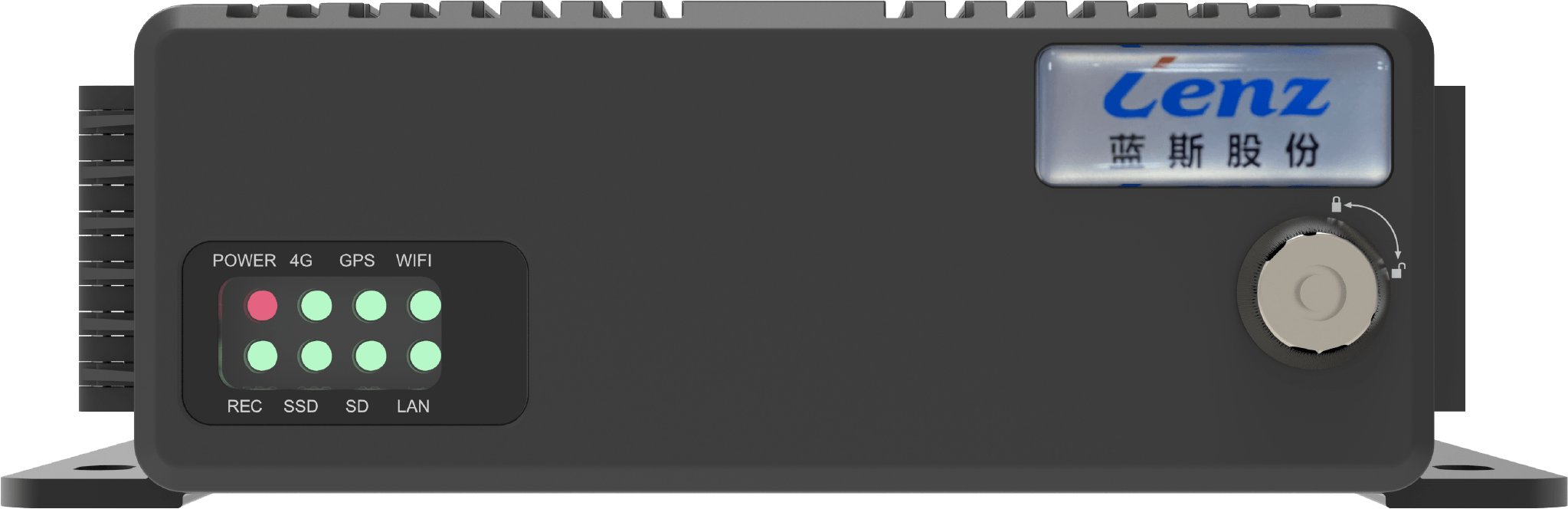
The All-in-One High-Definition Bus AI Terminal: The Brain and Eyes of Modern Buses
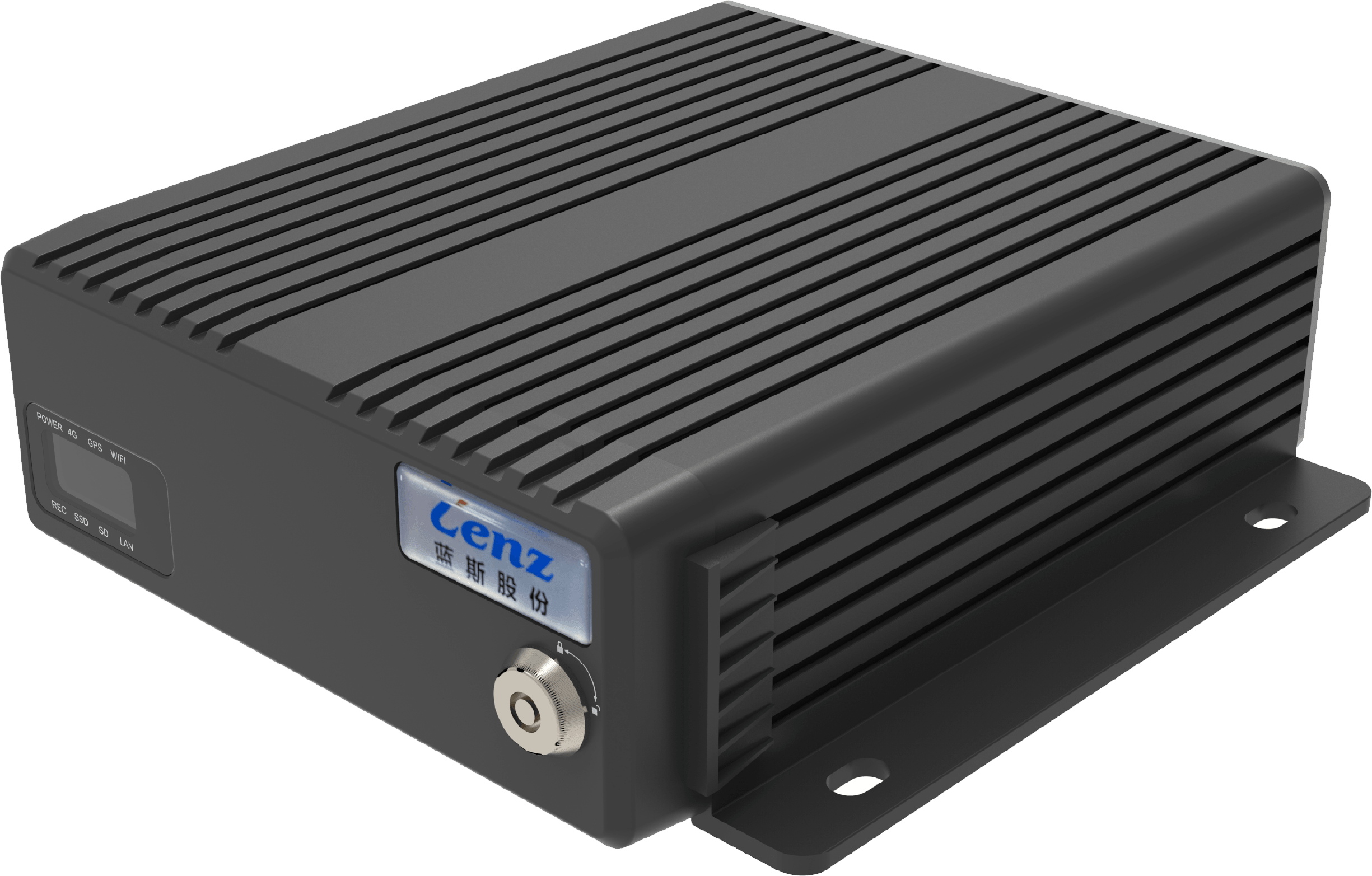
At the heart of Lans Communication’s intelligent transportation solutions lies the all-in-one high-definition bus AI terminal – often referred to as the “brain and eyes” of the bus. This sophisticated device integrates multiple critical functions into a single, powerful unit, transforming traditional buses into smart, connected vehicles capable of addressing the complex demands of modern urban transport.
The terminal combines video surveillance, GPS tracking, AI-powered recognition, automatic bus stop announcement, two-way intercom, and driving record functions. Its real-time monitoring capabilities extend to identifying dangerous situations such as lane departure, front-end collisions, driver fatigue or distraction, and vehicle blind spots. When potential hazards are detected, the system immediately issues warnings to help prevent accidents before they occur.
One of the most significant advantages of this comprehensive approach is its ability to provide transport operators with a holistic view of their fleet’s performance and safety. By consolidating multiple functions into one device, Lans Communication has eliminated information silos and created a unified platform for monitoring and managing all aspects of bus operations.
This all-in-one solution is particularly valuable for urban public transport operators facing increasing pressure to improve safety records while maintaining efficient service schedules. The AI terminal’s proactive safety features help reduce accident rates, lower insurance costs, and enhance the overall reputation of the transport service.
ADAS DMS Terminals: Revolutionizing Bus Safety with Advanced AI
Building on the foundation of the all-in-one terminal, Lans Communication’s ADAS DMS terminals take bus safety to the next level with their sophisticated artificial intelligence capabilities. These systems are specifically designed to address the two most critical factors in bus accidents: driver behavior and vehicle control.
The Driver Monitoring System (DMS) uses advanced computer vision algorithms to continuously analyze the driver’s face and eye movements. It can detect signs of fatigue, distraction, or unsafe behaviors such as smoking, yawning, or using a mobile phone while driving. When such behaviors are identified, the system immediately alerts the driver through visual and auditory warnings, prompting them to refocus on the road.
Complementing the DMS is the Advanced Driver Assistance System (ADAS), which monitors the vehicle’s surroundings and provides real-time assistance to the driver. Key features include:
- Lane departure warning: Alerts the driver when the vehicle unintentionally drifts out of its lane
- Forward collision warning: Detects potential collisions with vehicles ahead and warns the driver to take evasive action
- Blind spot detection: Monitors areas around the bus that are difficult for the driver to see, reducing the risk of side-swipe accidents during lane changes
- Pedestrian detection: Identifies pedestrians in the vehicle’s path, particularly useful in urban environments with heavy foot traffic
The combination of DMS and ADAS creates a powerful safety net that significantly reduces the likelihood of accidents caused by human error or environmental factors. For transport operators, this translates to fewer accidents, lower maintenance costs, and improved passenger confidence in the safety of the service.
Global Implementation and Proven Results
Lans Communication’s safety solutions have been implemented in over 400 cities worldwide, with more than 1 million devices installed on vehicles. This extensive global footprint demonstrates the universal applicability and reliability of their technology across diverse operating environments and regulatory frameworks.
In Thailand, for example, a major urban transport operator reported a 35% reduction in accidents involving their fleet within the first year of implementing Lans Communication’s ADAS DMS systems. Similar success stories have been documented in South Africa, Saudi Arabia, and the United Arab Emirates, where harsh driving conditions and high temperatures make advanced safety systems particularly valuable.
Smart Payment Solutions: Streamlining the Passenger Experience
While safety is the top priority for transport operators, passenger experience plays a crucial role in the success and sustainability of public transport systems. Lans Communication addresses this aspect through its innovative smart payment terminals, which offer a seamless, contactless payment experience for riders while providing valuable data insights for operators.
The company’s车载支付终端 (on-board payment terminals) support multiple payment methods, including QR codes, NFC, ID cards, and bank cards. Premium models even incorporate facial recognition and palm vein payment technologies, allowing passengers to “wave and pay” as they board the bus. This level of convenience is particularly valuable in peak hours when speed and efficiency are critical to maintaining schedules.
Key features of Lans Communication’s smart payment terminals include:
- Offline caching capability: Ensures transactions can be processed even in areas with poor network connectivity
- 4G connectivity: Enables real-time transaction reporting and remote management
- Multi-scenario applicability: Suitable for buses, coaches, school shuttles, and other public transport vehicles
- Data integration: Seamlessly connects with backend management systems for comprehensive reporting and analysis
For transport operators, these terminals offer several significant benefits. First, they reduce boarding times, which can lead to more efficient route operation and potentially allow for increased service frequency without adding more vehicles to the fleet. Second, the multiple payment options cater to a wide range of passenger preferences, making public transport more accessible to all segments of the population.
Third, and perhaps most importantly, the data generated by these smart payment systems provides valuable insights into passenger behavior and preferences. Operators can analyze peak travel times, popular routes, and payment method preferences to optimize their services and tailor them to actual demand patterns.
Case Study: Transforming Public Transport in Chengdu, China
In Chengdu, one of China’s largest cities with a population of over 16 million, Lans Communication implemented a comprehensive smart payment solution across the city’s extensive bus network. The project involved installing smart payment terminals on over 15,000 buses and integrating them with a centralized management system.
The results were impressive. Average boarding times decreased by 40%, leading to improved schedule adherence and reduced operational costs. Passenger satisfaction ratings increased by 25%, with many riders citing the convenience of multiple payment options as a key factor in their improved perception of the service.
For the transport authority, the project provided a wealth of data that informed subsequent service improvements, including route adjustments and frequency optimizations based on actual passenger demand patterns.
Comprehensive Vehicle Monitoring: The CAN Data Collection Terminal
Complementing its passenger-facing technologies, Lans Communication offers a range of solutions for comprehensive vehicle monitoring and management. At the core of this approach is the CAN data collection terminal, often referred to as the “health black box” for new energy vehicles.
This device connects to the vehicle’s CAN bus to continuously collect critical data points such as speed, battery level, battery temperature, motor status, and fault alerts. This information is then transmitted to a remote management platform, giving fleet operators real-time visibility into the health and performance of every vehicle in their fleet.
The benefits of this approach are manifold:
- Proactive maintenance: By identifying potential issues before they lead to breakdowns, operators can schedule maintenance more efficiently and reduce vehicle downtime
- Extended vehicle lifespan: Regular monitoring and timely maintenance help preserve vehicle components and extend their useful life
- Improved safety: Early detection of battery or motor issues can prevent dangerous situations on the road
- Operational efficiency: Data on vehicle performance can inform route planning and scheduling decisions
For electric bus fleets, in particular, the CAN data collection terminal is an indispensable tool. Electric vehicles have unique maintenance requirements and failure modes, making continuous monitoring essential for safe and efficient operation. Lans Communication’s solution has been particularly valuable in markets where electric bus adoption is rapidly increasing, such as China and parts of Europe.
The Future of Intelligent Transportation: Lans Communication’s Vision
As cities around the world grapple with increasing urbanization, traffic congestion, and environmental concerns, the need for intelligent transportation solutions has never been greater. Lans Communication is well-positioned to meet these challenges with its comprehensive approach to smart public transport.
The company’s roadmap includes several exciting developments:
- Enhanced AI capabilities: Continued refinement of machine learning algorithms for even more accurate hazard detection and driver behavior analysis
- 5G integration: Leveraging next-generation connectivity for real-time data transmission and vehicle-to-infrastructure communication
- MaaS (Mobility as a Service) solutions: Developing integrated platforms that combine public transport with other mobility options like ride-sharing and bike-sharing
- Autonomous vehicle support: Preparing for the future of transport by developing systems compatible with varying levels of vehicle autonomy
Lans Communication’s commitment to innovation is reflected in its substantial investment in R&D, which accounts for over 15% of its annual revenue. This focus on continuous improvement has earned the company numerous accolades, including recognition as a National High-Tech Enterprise and a Hidden Champion in Chinese Manufacturing.
FAQ
What makes Lans Communication’s AI terminals different from other providers?
Lans Communication’s AI terminals stand out for their comprehensive integration of multiple safety and operational functions into a single device. Unlike solutions that require separate systems for video surveillance, driver monitoring, and ADAS features, Lans Communication’s all-in-one approach eliminates compatibility issues and provides a unified platform for fleet management. Additionally, the company’s extensive global experience ensures its products are robust enough to operate reliably in diverse environmental conditions.
How do ADAS DMS systems improve overall fleet safety?
ADAS DMS systems improve fleet safety by addressing both vehicle control and driver behavior – the two primary factors in most transport accidents. The ADAS component provides real-time assistance with lane keeping, collision avoidance, and blind spot monitoring, while the DMS ensures drivers remain alert and focused. This dual approach has been proven to significantly reduce accident rates, as demonstrated by multiple implementations worldwide.
Can Lans Communication’s payment terminals work offline?
Yes, Lans Communication’s smart payment terminals feature offline caching capability, which allows them to process transactions even in areas with poor or no network connectivity. Transaction data is stored securely on the device and automatically synchronized with the backend system when connectivity is restored. This ensures uninterrupted service and reliable transaction recording in all operating environments.
What types of vehicles can benefit from Lans Communication’s CAN data collection terminals?
While particularly valuable for electric and new energy vehicles, Lans Communication’s CAN data collection terminals are compatible with any vehicle equipped with a CAN bus system. This includes conventional diesel and gasoline buses, coaches, and commercial vehicles. The terminals provide valuable insights into vehicle health and performance regardless of the powertrain type.
How does Lans Communication support international clients with its products?
Lans Communication offers comprehensive support for international clients, including customization of products to meet specific regional requirements, multilingual technical documentation and training, and localized customer service. The company has established partnerships with major vehicle manufacturers and transport operators in over 40 countries, ensuring its solutions comply with various international standards and regulations.
Summary
Xiamen Lans Communication Co., Ltd. has established itself as a global leader in intelligent transportation solutions by developing a comprehensive suite of AI-powered products that address the most pressing challenges faced by modern public transport operators. From its all-in-one high-definition bus AI terminals to its advanced ADAS DMS systems and smart payment solutions, Lans Communication offers integrated technologies that enhance safety, efficiency, and passenger experience simultaneously.
The company’s global footprint, with implementations in over 400 cities and more than 1 million devices installed worldwide, attests to the reliability and universal applicability of its solutions. By continuously innovating and investing in R&D, Lans Communication is well-positioned to lead the transition to smarter, safer, and more sustainable urban transport systems in the years to come.
For transport operators looking to future-proof their fleets and deliver world-class service to their passengers, Lans Communication’s intelligent transportation solutions offer a proven path to success. With a focus on comprehensive integration, advanced AI capabilities, and global applicability, the company is helping to shape the future of public transport around the world.