
In today’s fast-paced urban environments, efficient public transportation systems are essential for maintaining mobility and reducing congestion. As cities evolve, so do the technologies that support their transportation networks. One critical component of modern public transit is the payment system – the interface between passengers and service providers. Lanxi Communication (Stock Code: 430491), a leading global provider of intelligent transportation solutions, has revolutionized this space with its cutting-edge 4G bus payment terminals and smart ticketing systems.
The Evolution of Bus Payment Systems
Public transportation payment methods have come a long way from traditional cash fares and magnetic stripe cards. Early electronic ticketing systems introduced contactless payments, but these often lacked connectivity and sophisticated features. Modern bus payment terminals now represent sophisticated computing devices that handle multiple payment methods while providing valuable data to transit operators.
Lanxi Communication recognized this evolution early in its nearly 20-year history in the intelligent transportation sector. Our journey began with basic electronic fare collection systems and has progressed to today’s AI-powered, multi-functional payment terminals that serve as the nerve center for modern bus operations.
The company’s global footprint now includes implementations in over 400 cities worldwide, with more than 1 million devices installed on vehicles. This extensive experience has informed the development of our current generation of 4G bus payment terminals, which combine reliability with cutting-edge technology.
Key Features of Lanxi’s 4G Bus Payment Terminals
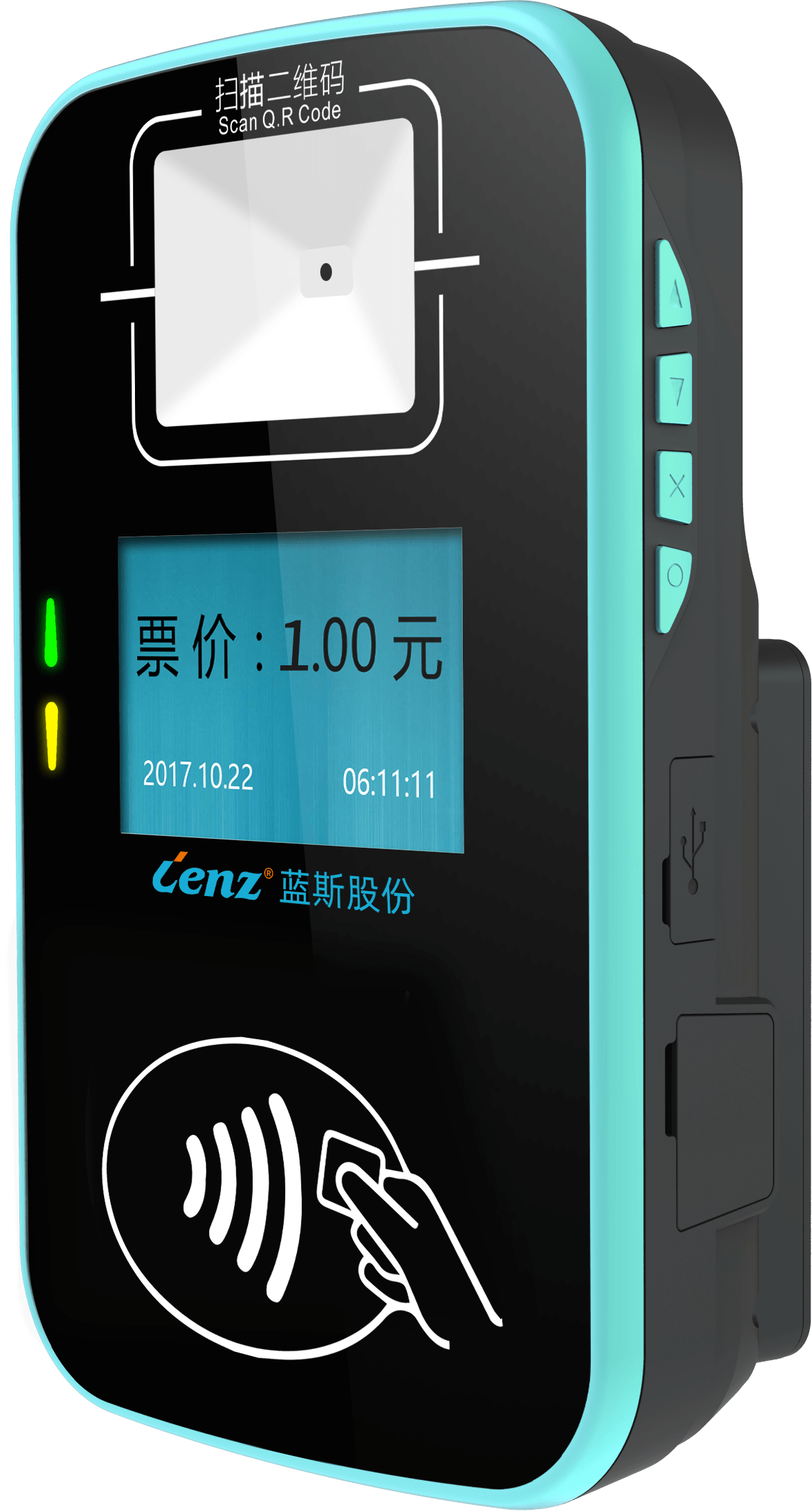
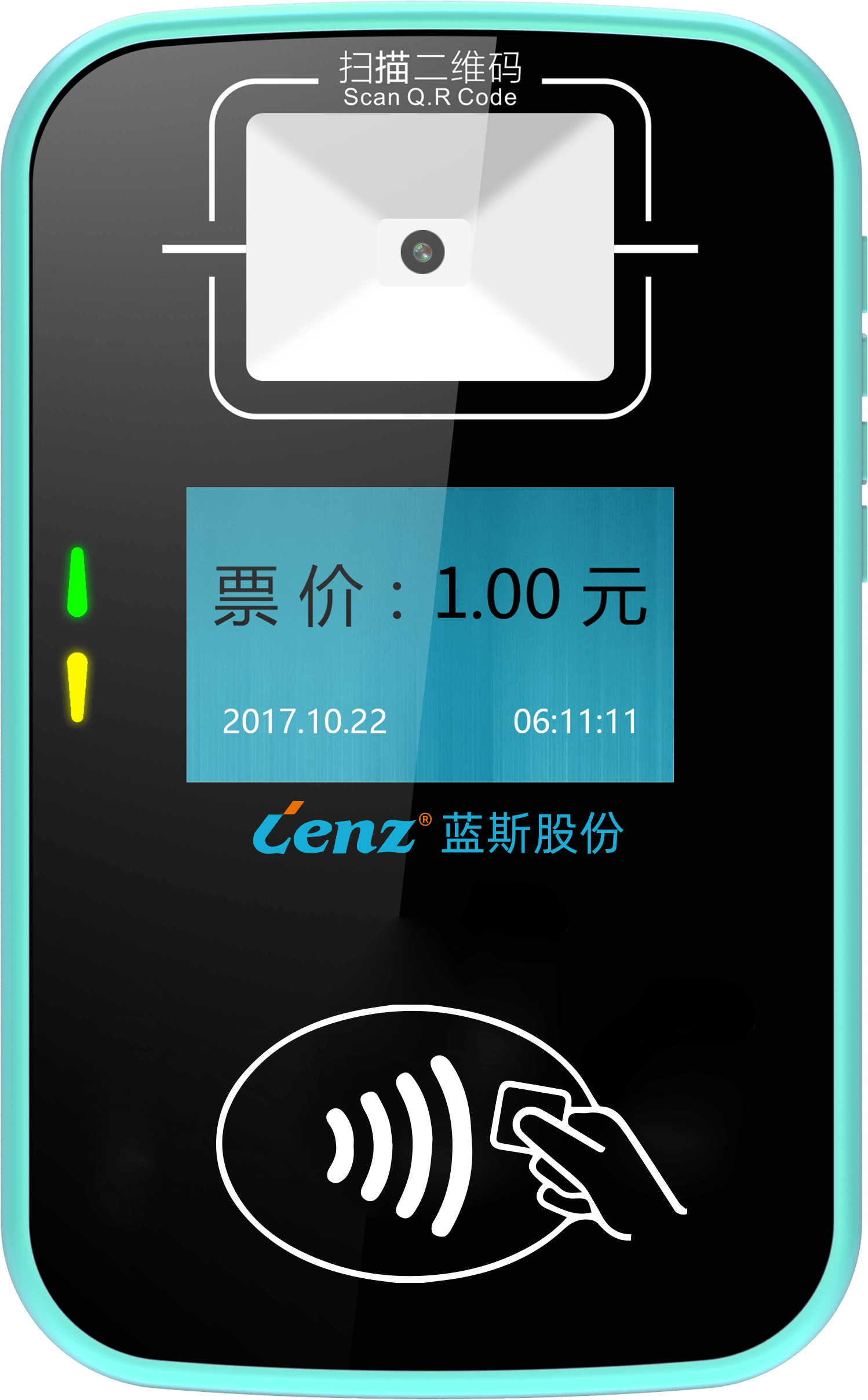
Lanxi’s flagship bus payment terminal represents the pinnacle of public transportation payment technology. This device goes beyond simple fare collection to become an integral part of the transit ecosystem. Let’s examine its core capabilities:
Multi-Payment Method Support
Our terminals support an extensive range of payment options to accommodate diverse passenger preferences:
- QR code scanning for mobile payments
- Contactless card payments (NFC)
- Traditional magnetic stripe cards
- Bank card payments
- Identity card payments (for special fare categories)
- Advanced biometric payments including facial recognition and palm vein scanning on premium models
This comprehensive support ensures that transit agencies can cater to all passenger segments while future-proofing their systems against emerging payment technologies.
4G Connectivity for Real-Time Operations
The “4G” in our terminal name signifies more than just cellular connectivity – it represents a commitment to real-time data exchange. This connectivity enables several critical functions:
- Instant transaction processing and verification
- Remote terminal management and configuration
- Real-time fare table updates
- Live reporting of device status and issues
- Integration with central management systems
Importantly, our terminals feature offline caching capabilities that store transactions when network connectivity is unavailable, automatically synchronizing with central systems when connection is restored. This ensures uninterrupted service even in areas with poor cellular coverage.
AI-Powered Features for Enhanced Operations
Lanxi has integrated artificial intelligence to transform payment terminals from passive devices to active participants in bus operations:
- Automatic announcement triggering: The terminal connects with the bus’s PA system to announce stops based on GPS location
- Passenger flow analysis: Dual-lens cameras count boarding and alighting passengers, providing valuable data for route optimization
- Anomaly detection
- Predictive maintenance: The system monitors its own components and predicts when maintenance will be required
: AI algorithms identify unusual payment patterns that might indicate fraud or system issues
Technical Specifications and Implementation
Lanxi’s bus payment terminals are designed for robust performance in demanding public transportation environments. Key technical specifications include:
| Specification | Details |
|---|---|
| Processor | Quad-core ARM Cortex-A53 @ 1.8GHz |
| Memory | 2GB RAM, 16GB eMMC storage (expandable) |
| Display | 10.1-inch IPS capacitive touchscreen (1280×800) |
| Connectivity | 4G LTE, Wi-Fi 802.11ac, Bluetooth 5.0, GPS/GLONASS |
| Payment Readers | NFC, magnetic stripe, QR code scanner, optional biometric |
| Operating Temperature | -20°C to 60°C (-4°F to 140°F) |
| Certifications | PCI PTS 5.x, EMV Level 1 & 2, IP65, CE, FCC |
Implementation of Lanxi’s payment terminals follows a comprehensive methodology developed through hundreds of global deployments:
- Needs assessment: We work with transit agencies to understand their specific requirements, passenger demographics, and operational challenges
- System design: Our engineers create a customized solution that integrates with existing infrastructure while incorporating new capabilities
- Installation: Certified technicians install and configure terminals, ensuring optimal placement and connectivity
- Integration: The payment system connects with other bus systems including scheduling, passenger information displays, and central management
- Training: We provide comprehensive training for drivers, maintenance staff, and back-office personnel
- Support: Our global support network ensures ongoing system performance with 24/7 assistance available
Global Implementation Case Studies
Lanxi’s payment terminals have been successfully implemented in diverse markets around the world, each presenting unique challenges and requirements:
Urban Mass Transit in Southeast Asia
In a major Southeast Asian city, Lanxi replaced an aging magnetic stripe card system with our multi-payment terminals. The project involved:
- Installation on 2,500 buses across multiple operators
- Integration with a new mobile payment app used by millions of passengers
- Implementation of dynamic pricing based on time of day and passenger load
- Training programs for drivers and support staff in multiple languages
The result was a 35% increase in ridership within the first year and a 22% reduction in fare evasion.
Intercity Bus Network in the Middle East
For an intercity bus operator serving multiple countries, Lanxi deployed a cross-border payment solution that:
- Accepted multiple currencies with automatic exchange rate conversion
- Provided real-time reporting to headquarters across time zones
- Included a duty-free payment option for long-distance routes
- Featured multi-language support for passengers and drivers
This implementation reduced cash handling by 85% and improved financial reporting accuracy.
Rural Bus Services in Africa
In a rural African deployment, Lanxi addressed unique challenges including:
- Intermittent power and connectivity
- Low literacy rates among some passengers
- Need for offline operation during long routes
- Multiple local payment methods and currencies
The solution incorporated solar power options, voice-guided payment instructions, and robust offline caching capabilities, resulting in a 99.8% transaction success rate even in remote areas.
FAQ
What makes Lanxi’s bus payment terminals different from other suppliers?
Lanxi’s terminals stand out through their combination of advanced technology, global implementation experience, and customization capabilities. Our AI integration transforms terminals from simple payment devices to active participants in bus operations, providing valuable data for route optimization and operational efficiency. Additionally, our 18-year history in intelligent transportation gives us unparalleled insight into transit agency needs worldwide.
How do the terminals handle areas with poor cellular coverage?
All Lanxi bus payment terminals feature robust offline caching capabilities. When connectivity is unavailable, transactions are securely stored locally with timestamps and GPS coordinates. Once the bus returns to an area with coverage, all cached transactions are automatically uploaded to the central system in chronological order, ensuring complete transaction records without interruption to service.
What security measures are in place to protect payment data?
Security is paramount in our payment solutions. Key measures include:
- PCI PTS 5.x certified hardware with secure element
- End-to-end encryption of all payment data
- Secure boot and firmware update mechanisms
- Tamper detection that automatically wipes sensitive data if compromised
- Regular security audits and compliance with global standards
Can the terminals integrate with existing bus systems?
Absolutely. Our terminals are designed for seamless integration with various bus systems including:
- Automatic vehicle location (AVL) systems
- Passenger counting systems
- Central management software
- Mobile ticketing apps
- On-board announcements and passenger information displays
We provide comprehensive APIs and SDKs to facilitate integration with both Lanxi and third-party systems.
Summary
Lanxi Communication’s 4G bus payment terminals represent the next generation in public transportation payment technology. By combining robust hardware with advanced software features including AI integration, multi-payment support, and real-time connectivity, our terminals address the complex needs of modern transit agencies worldwide.
With implementations in over 400 cities and more than 1 million devices deployed globally, Lanxi has proven its ability to deliver reliable, innovative solutions that improve operational efficiency, enhance passenger experience, and future-proof transit payment systems. Our commitment to continuous improvement ensures that our clients always have access to the latest advancements in transportation technology.
As cities continue to grow and transportation needs evolve, Lanxi remains at the forefront of intelligent transportation solutions, helping transit agencies worldwide navigate the challenges of urban mobility in the 21st century.