
In today’s fast-paced urban environments, efficient public transport systems are essential for maintaining mobility and reducing congestion. A critical component of modern transit infrastructure is the payment terminal – the interface between passengers and the fare collection system. Xiamen Lans Communication Co., Ltd., a leading provider of intelligent transportation solutions, offers cutting-edge public transport payment terminals that are transforming how people pay for transit across the globe.
The Evolution of Public Transport Payment Systems
Public transport payment methods have evolved significantly over the past few decades. From traditional cash payments to magnetic stripe cards, and now to contactless and mobile payments, the industry has continuously adapted to meet changing passenger expectations and technological advancements. Today’s public transport payment terminals represent the pinnacle of this evolution, offering a seamless, secure, and convenient payment experience for all users.
Xiamen Lans Communication has been at the forefront of this transformation since its establishment in 2006. With nearly two decades of experience in the intelligent transportation sector, the company has developed a comprehensive range of payment solutions tailored to the specific needs of modern public transit systems. Their products are designed to handle the complexities of urban transportation while providing a user-friendly interface for passengers.
Key Features of Lans Communication’s Payment Terminals
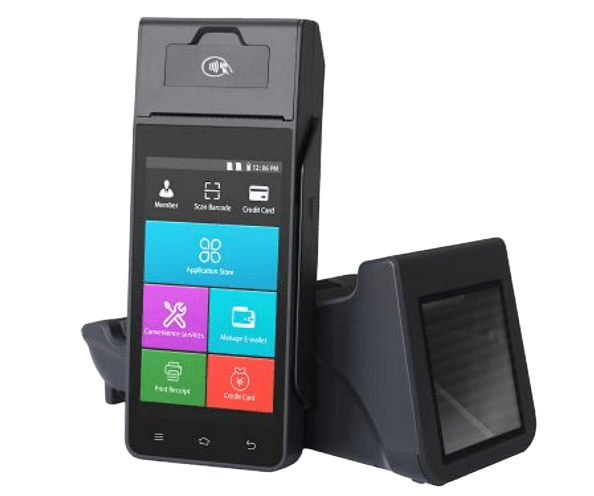
The public transport payment terminals offered by Xiamen Lans Communication are engineered to meet the diverse requirements of global transit operators. These devices combine robust hardware with intelligent software to deliver a superior payment experience across various transportation modes, including buses, trams, and ferries.
Multi-Payment Method Support
One of the standout features of Lans Communication’s terminals is their support for multiple payment methods. Recognizing that passengers prefer different ways to pay, these devices accommodate:
- QR code scanning (for mobile payments)
- Contactless card payments (NFC)
- Traditional magnetic stripe cards
- Bank card payments
- Identity card payments (for integrated ticketing systems)
- Advanced biometric payments (face recognition and palm vein recognition on premium models)
This multi-modal approach ensures that all passengers can pay conveniently, regardless of their preferred payment method or whether they have a smartphone. The terminals’ ability to process transactions quickly is crucial during peak hours when passenger flow is at its highest.
Offline Payment Capability
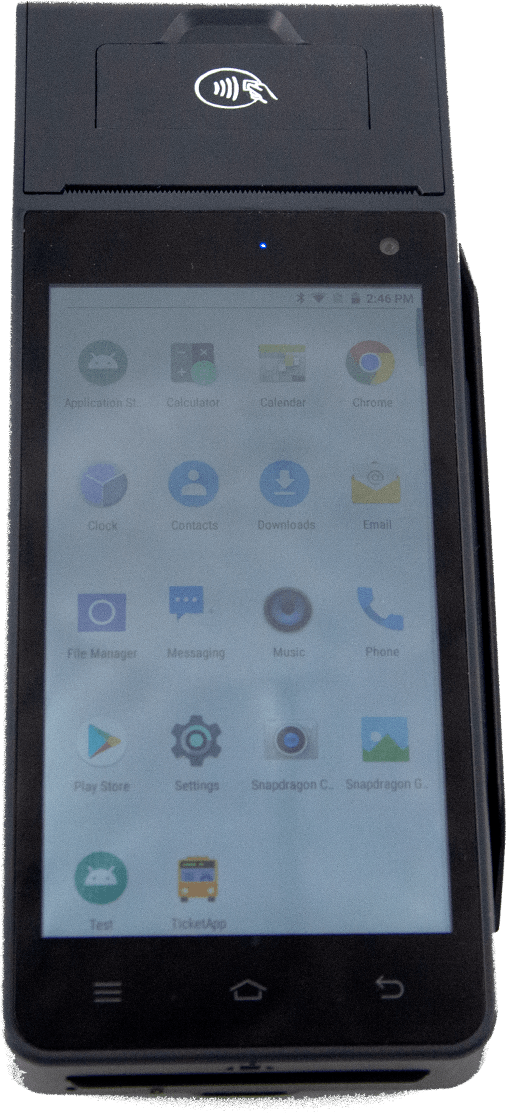
A common challenge in public transport systems is maintaining connectivity in all areas, particularly in underground stations or remote routes. Lans Communication’s payment terminals address this issue with their robust offline payment capability. The devices can store transaction data when offline and automatically sync with the central system once connectivity is restored.
This feature ensures that passengers can always complete their transactions, even in areas with poor network coverage. It also prevents revenue loss for transit operators and maintains the integrity of fare collection systems. The offline storage capacity is designed to handle multiple days’ worth of transactions, providing a reliable buffer during network outages.
Real-Time Transaction Processing
Despite their offline capabilities, Lans Communication’s terminals are optimized for real-time transaction processing when connected to the network. This allows for immediate validation of payment methods, balance checks, and instant updates to passenger accounts. Real-time processing is particularly important for prepaid card systems and mobile payment platforms where up-to-date account information is essential.
The terminals’ fast processing speeds (typically less than 0.3 seconds per transaction) minimize boarding times and help maintain schedule adherence, which is crucial for efficient public transport operations. This efficiency translates directly into improved passenger satisfaction and operational cost savings for transit authorities.
Technical Specifications and Design
Lans Communication’s commitment to quality is evident in the technical specifications and design of their payment terminals. These devices are built to withstand the rigors of daily use in public transport environments while providing reliable performance year after year.
Durable Construction
Public transport payment terminals must endure constant use, vibrations, and varying environmental conditions. Lans Communication addresses these challenges with rugged designs that feature:
- High-impact resistant casings
- Dust and water resistance (IP65 rating or higher)
- Wide operating temperature range (-20°C to 60°C)
- Anti-vandalism features
- Easy-to-clean surfaces
These design elements ensure that the terminals remain operational in all conditions, reducing maintenance requirements and extending product lifespan. The durable construction also protects the internal components from damage, ensuring consistent performance over time.
User-Friendly Interface
While robustness is crucial, Lans Communication also prioritizes user experience in their terminal design. The devices feature:
- High-visibility, sunlight-readable displays
- Responsive touchscreens (where applicable)
- Clear audio and visual feedback for transactions
- Intuitive menu navigation
- Multilingual support
These features make the terminals accessible to passengers of all ages and abilities, including those with visual or hearing impairments. The multilingual support is particularly valuable in international cities with diverse populations and tourist traffic.
Seamless Integration Capabilities
Lans Communication’s payment terminals are designed to integrate smoothly with existing public transport systems. They support standard communication protocols and can be easily connected to:
- Central fare collection systems
- Passenger information displays
- Vehicle monitoring systems
- Back-office management platforms
- Mobile ticketing applications
This integration capability allows transit operators to implement a comprehensive smart transportation solution without replacing their entire infrastructure. The terminals can also be updated remotely to add new features or payment methods as technology evolves.
Global Implementation and Success Stories
The effectiveness of Lans Communication’s payment terminals is demonstrated by their widespread adoption across more than 400 cities worldwide. These devices have been implemented in diverse environments, from bustling metropolises to smaller regional transport systems, with consistently positive results.
Case Study: Urban Bus Network Modernization
In one major city, Lans Communication replaced an aging magnetic stripe card system with their multifunctional payment terminals. The new system supported contactless payments, mobile ticketing, and biometric authentication, significantly improving the passenger experience. Key outcomes included:
- 30% reduction in boarding times during peak hours
- 25% increase in ridership due to improved convenience
- 15% reduction in operational costs through automated fare collection
- 99.9% system uptime, ensuring reliable service
The project also incorporated real-time passenger counting, which provided valuable data for route optimization and schedule adjustments. This comprehensive approach to transit modernization demonstrated the potential of advanced payment terminals to transform entire public transport systems.
International Partnerships
Lans Communication has established strategic partnerships with leading vehicle manufacturers and technology companies worldwide. These collaborations have resulted in co-developed solutions that are pre-integrated into new vehicles, simplifying deployment for transit operators.
For example, their work with major bus manufacturers has led to payment terminals being installed as standard equipment in new vehicles. This factory-fit approach ensures optimal integration and reduces installation time and costs for transit authorities. It also allows for better coordination between vehicle systems and payment terminals, enhancing overall reliability.
Future Trends in Public Transport Payment
As technology continues to advance, public transport payment systems will evolve to meet new challenges and opportunities. Lans Communication is at the forefront of several key trends that are shaping the future of transit fare collection:
Account-Based Ticketing
Account-based ticketing (ABT) is gaining popularity as it offers greater flexibility and convenience for passengers. With ABT, passengers maintain a single account that can be used across different transport modes and operators. Lans Communication’s terminals are designed to support ABT systems, allowing for seamless intermodal travel and simplified fare calculation.
ABT also enables innovative fare products such as daily or weekly caps, where passengers pay a maximum amount regardless of how many trips they take. This approach can encourage more frequent use of public transport and provide better value for passengers.
Enhanced Biometrics
While face recognition and palm vein recognition are already available in Lans Communication’s premium terminals, these technologies are expected to become more widespread. Future developments may include iris scanning and behavioral biometrics, offering even more secure and convenient payment methods.
Biometric payment systems eliminate the need for physical cards or devices, streamlining the boarding process and reducing the risk of lost or stolen payment methods. They also provide enhanced security by linking payments directly to an individual’s unique biological characteristics.
Integration with Mobility-as-a-Service (MaaS)
As cities move towards MaaS platforms that integrate various transport modes into a single app, payment terminals will play a crucial role in this ecosystem. Lans Communication is developing solutions that can communicate directly with MaaS applications, allowing for seamless trip planning, ticketing, and payment across buses, trains, taxis, and shared mobility services.
This integration will enable truly door-to-door travel planning and payment, making public transport more competitive with private car use. It will also provide transit operators with valuable data on passenger travel patterns, helping to optimize services and improve the overall transport network.
FAQ
What payment methods are supported by Lans Communication’s public transport terminals?
Lans Communication’s terminals support a wide range of payment methods including QR code scanning, contactless card payments (NFC), traditional magnetic stripe cards, bank card payments, identity card payments, and advanced biometric payments like face recognition and palm vein recognition on premium models. This multi-modal approach ensures convenience for all passengers.
How do the terminals handle areas with poor network connectivity?
The terminals feature robust offline payment capability, allowing them to store transaction data when offline and automatically sync with the central system once connectivity is restored. This ensures reliable operation even in underground stations or remote routes, preventing revenue loss and maintaining fare collection integrity.
Can these payment terminals be integrated with existing public transport systems?
Yes, Lans Communication’s terminals are designed for seamless integration with existing systems. They support standard communication protocols and can connect to central fare collection systems, passenger information displays, vehicle monitoring systems, back-office management platforms, and mobile ticketing applications, allowing for comprehensive smart transportation solutions.
What security features do the payment terminals include?
The terminals incorporate multiple security features including data encryption for all transactions, secure authentication methods, tamper detection, and anti-vandalism designs. For biometric models, they use advanced liveness detection to prevent spoofing attempts, ensuring the highest level of payment security.
How does Lans Communication support international implementations of their payment terminals?
Lans Communication provides comprehensive support for international projects, including customization for local payment systems and regulations, multilingual interfaces, and training for local staff. They also offer 24/7 technical support and maintain a global network of service partners for on-site assistance when needed.
Summary
Public transport payment terminals are undergoing a transformation, driven by technological advancements and changing passenger expectations. Xiamen Lans Communication Co., Ltd. is at the forefront of this revolution, offering state-of-the-art terminals that combine robust hardware with intelligent software to deliver a superior payment experience.
Their multifunctional devices support multiple payment methods, ensure reliable operation in all conditions, and integrate seamlessly with existing transport systems. With features like offline payment capability, real-time processing, and advanced security measures, these terminals are helping transit operators worldwide improve efficiency, reduce costs, and enhance passenger satisfaction.
As cities continue to invest in smart transportation solutions, Lans Communication’s payment terminals will play a crucial role in creating more connected, efficient, and user-friendly public transport systems. Their commitment to innovation and quality ensures that they will remain a leading provider of public transport payment solutions for years to come.