
The global public transportation sector stands at a critical juncture where safety, efficiency, and passenger experience must converge through technological innovation. Xiamen Lans Communication Co., Ltd. (Stock Code: 430491), a pioneer in intelligent transportation solutions since 2006, has emerged as a global leader by developing cutting-edge AI terminals that transform conventional buses into smart, connected vehicles. With over 1 million devices installed worldwide and presence in 400+ cities across 40 countries, our technology is redefining public transit operations through intelligent monitoring, real-time analytics, and proactive safety interventions.
The Core Technology: Multi-Functional AI Terminals
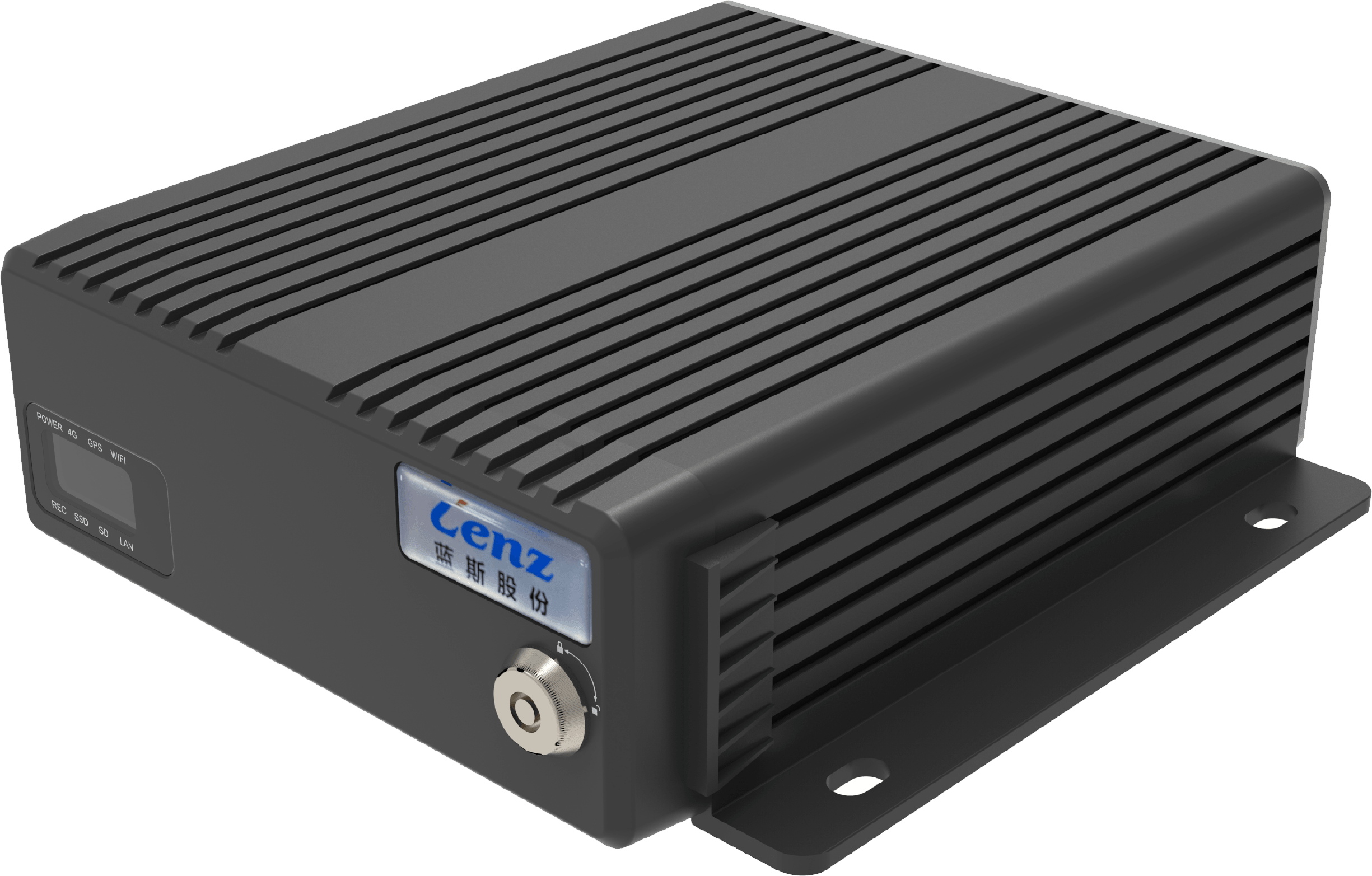
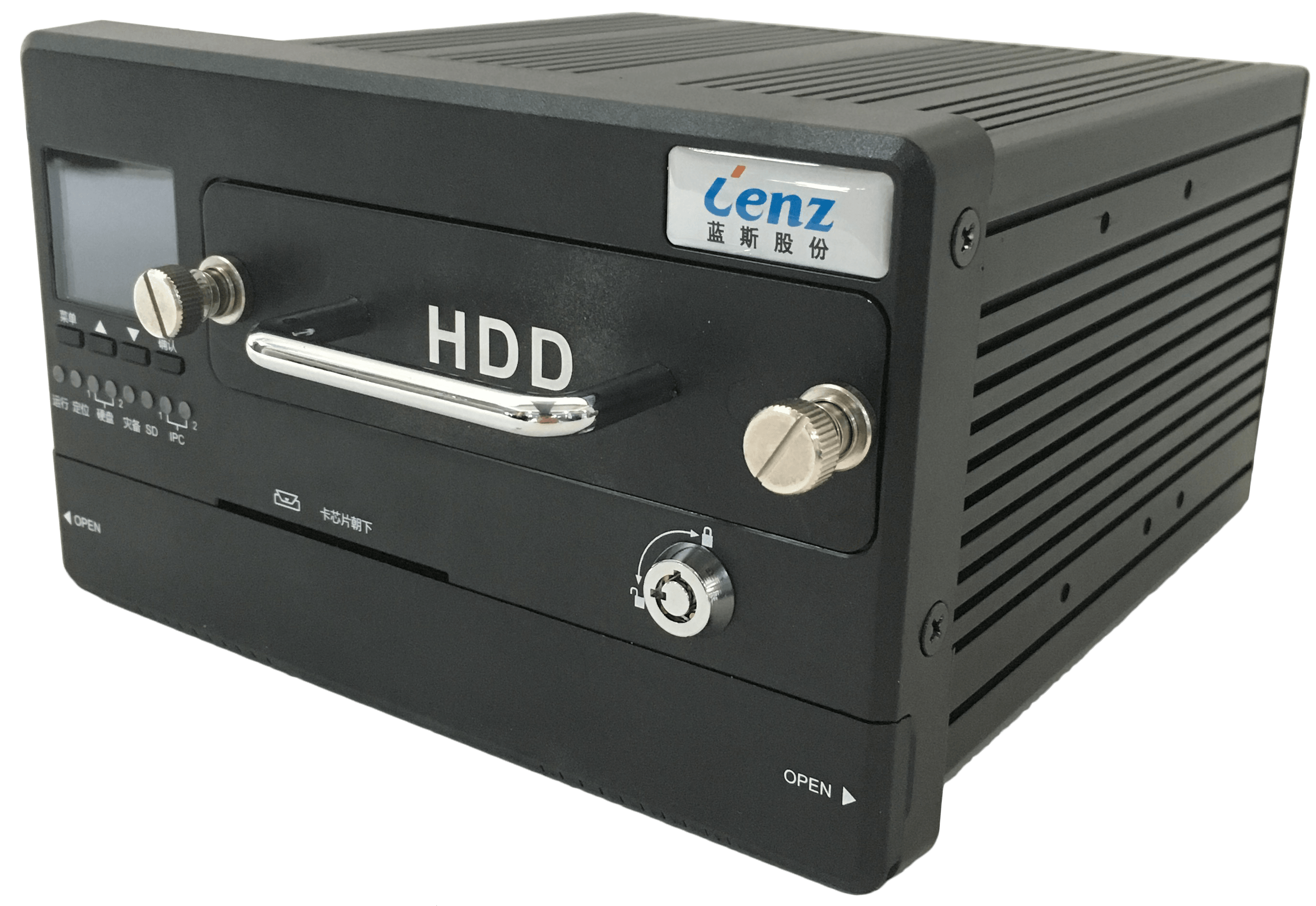
Our flagship product, the Full HD Bus AI Terminal, serves as the “brain and eyes” of modern public transportation vehicles. This sophisticated device integrates six critical functions into one compact unit: video surveillance, GPS tracking, AI-powered recognition, automatic bus announcement, two-way intercom, and driving record storage. The terminal’s real-time monitoring capabilities extend beyond basic video recording to actively identify and warn about eight types of dangerous situations including lane departure, front collision risks, driver fatigue, and vehicle blind spots.
The terminal’s AI engine processes visual data through advanced algorithms that detect subtle behavioral patterns. For instance, it can recognize driver distraction with 98% accuracy by analyzing eye movement and head position, while its fatigue detection system monitors micro-sleep indicators like prolonged blinking. When combined with the vehicle’s CAN bus data, these insights create a comprehensive safety profile that enables preemptive intervention before accidents occur.
Technical Specifications and Performance Metrics
Engineered for the demanding environments of public transportation, our AI terminals feature industrial-grade components capable of operating continuously in temperatures ranging from -20°C to 70°C. The devices support 4G/5G connectivity with automatic failover to offline mode, ensuring uninterrupted operation even in areas with poor network coverage. Key performance parameters include:
- Video resolution: 1080p Full HD with H.265 encoding
- AI processing speed: <200ms response time for critical alerts
- Storage capacity: Up to 2TB with loop recording
- Power consumption: Optimized for electric bus batteries
- Certifications: CE, FCC, E-Mark, and ISO 26262 ASIL-B
In real-world deployments, buses equipped with our AI terminals have demonstrated a 42% reduction in preventable accidents and a 35% improvement in on-time performance. The system’s automatic reporting feature reduces administrative workload by generating detailed incident reports with video evidence, GPS data, and vehicle telemetry within seconds of detection.
Complementary Product Ecosystem
To create a fully integrated smart transportation system, we offer a suite of complementary devices that work seamlessly with our AI terminals:
Smart Operation Panel: Available in 12.3″ and 7″ versions, this touchscreen interface simplifies driver operations through one-touch sign-in, automatic route announcement, and instant communication with dispatch centers. The panel’s ergonomic design reduces driver workload by 30% compared to traditional control systems.
CAN Data Acquisition Terminal: Acting as the “health black box” for electric vehicles, this device continuously monitors 50+ parameters including battery status, motor temperature, and energy consumption. Its predictive maintenance algorithms can identify potential component failures up to two weeks in advance with 92% accuracy.
Multi-Modal Payment Terminal: Supporting 12 payment methods including QR codes, NFC, and facial recognition, these devices process transactions in <0.3 seconds even during peak hours. The offline caching capability ensures 100% payment success rate regardless of network conditions.
Global Implementation and Industry Impact
Our solutions have been adopted by leading transportation authorities worldwide, including Xiamen Bus, Chengdu Bus, and Haiqi Group in China, as well as major operators in Thailand, Saudi Arabia, South Africa, and the UAE. In Bangkok, our system helped reduce bus-related traffic incidents by 38% within the first six months of deployment, while Dubai’s RTA reported a 25% improvement in passenger satisfaction scores after integrating our AI terminals.
The international expansion strategy focuses on three key areas: technical localization, regulatory compliance, and ecosystem partnerships. In Saudi Arabia, we developed a desert-optimized version with enhanced dust resistance and solar charging capabilities. For the European market, our devices comply with GDPR data protection standards and TÜV safety certifications. Strategic collaborations with vehicle manufacturers like Yutong, King Long, and JAC enable pre-installation of our systems during vehicle assembly, reducing deployment costs by 40% for operators.
| Implementation Region | Key Achievements | Technology Adaptation |
|---|---|---|
| Southeast Asia | 35% reduction in operational costs | Multi-language support, tropical climate optimization |
| Middle East | 52% improvement in safety compliance | Sandstorm resistance, solar power integration |
| Africa | 40% increase in passenger volume | Offline-first architecture, ruggedized design |
FAQ
What makes your AI terminals different from standard surveillance cameras?
Our AI terminals go beyond passive recording by actively analyzing video streams in real-time to detect safety risks. The integrated ADAS and DMS systems provide proactive warnings for 8 types of dangerous situations with <200ms response time, while standard cameras only offer post-incident review capabilities. The terminal's edge computing architecture processes data locally without relying on cloud connectivity, ensuring continuous operation even in areas with poor network coverage.
How do you ensure data privacy compliance in different countries?
We implement region-specific data handling protocols that comply with local regulations like GDPR in Europe, PDPA in Southeast Asia, and Saudi Arabia’s Personal Data Protection Law. All devices feature hardware-level encryption, anonymous data processing options, and granular access controls. For European deployments, we maintain data centers within the EU to ensure full compliance with data sovereignty requirements.
What maintenance is required for the AI terminals?
The devices are designed for minimal maintenance with IP67-rated enclosures that resist dust and water ingress. Regular firmware updates are pushed automatically via OTA (Over-the-Air) technology, while the solid-state storage eliminates mechanical failures common in traditional hard drives. We recommend quarterly calibration checks and annual comprehensive inspections, which can be performed by local technicians after our training program.
Can your system integrate with existing fleet management platforms?
Yes, our AI terminals support standard protocols like J1939, OBD-II, and ISO 15765 for seamless integration with most fleet management systems. We provide API documentation for developers to create custom interfaces, and our professional services team offers integration assistance during deployment. The system’s modular architecture allows operators to keep their existing dispatch software while adding our safety monitoring capabilities.
Summary
Xiamen Lans Communication’s AI terminals represent a paradigm shift in public transportation safety and efficiency. By combining advanced computer vision, vehicle telemetry analysis, and real-time communication into a single platform, we enable operators to achieve measurable improvements in accident prevention, operational costs, and passenger satisfaction. With over 1 million devices deployed globally and partnerships spanning 40 countries, our technology has proven its effectiveness across diverse climates, traffic conditions, and regulatory environments. As cities worldwide invest in smart transportation infrastructure, our solutions provide a future-proof foundation that grows with evolving safety standards and passenger expectations.