
Public transportation systems worldwide face increasing pressure to improve efficiency, enhance passenger experience, and reduce operational costs. In this digital era, smart electronic bus stop signs have emerged as transformative technology that addresses these challenges while supporting cities’ sustainable development goals. As a leading provider of intelligent transportation solutions, Xiamen Lans Communications has deployed its cutting-edge electronic bus stop sign systems in over 400 cities globally, helping transit authorities modernize their infrastructure and deliver superior service to millions of passengers daily.
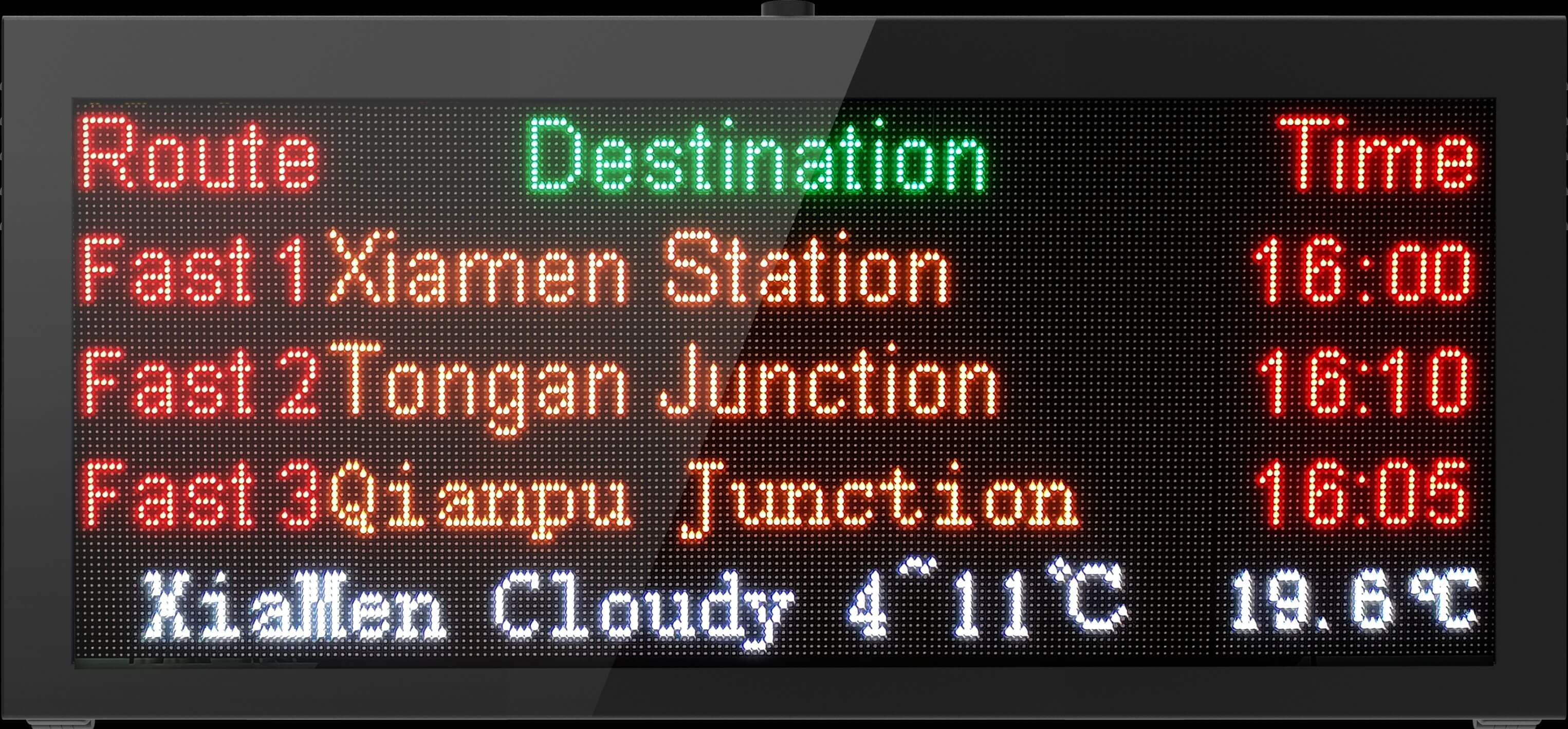
The Evolution of Transit Information Systems
Traditional bus stop signs served only basic functions – displaying route numbers and static schedules that quickly became outdated. This approach created frustration for passengers who often faced uncertainty about bus arrivals, leading to decreased satisfaction and reduced ridership. The introduction of electronic bus stop signs marked a significant leap forward, but early systems had limitations in connectivity, reliability, and functionality.
Modern smart electronic bus stop signs represent the third generation of transit information technology, combining real-time data processing, multi-communication capabilities, and intelligent passenger engagement features. These systems transform passive waiting areas into dynamic information hubs that enhance the entire transit experience while providing valuable data for operators to optimize their services.
Core Components of Smart Electronic Bus Stop Signs
Xiamen Lans Communications’ electronic bus stop sign solutions integrate several advanced technologies to deliver comprehensive functionality:
- High-definition displays: Our signs feature bright, weather-resistant screens visible in all lighting conditions, displaying clear, dynamic information
- Multi-communication modules: Supporting 4G/5G, Wi-Fi, and RFID connectivity ensures reliable real-time data updates even in challenging environments
- Intelligent processing units: Onboard computing power enables local data processing and decision-making without constant cloud dependency
- Environmental sensors: Built-in temperature, humidity, and air quality sensors provide additional data for city management
- Solar power options: Energy-efficient designs with optional solar panels ensure operation in areas without reliable grid power
- Vandal-resistant construction: Durable materials and tamper-proof designs protect against damage and ensure long service life
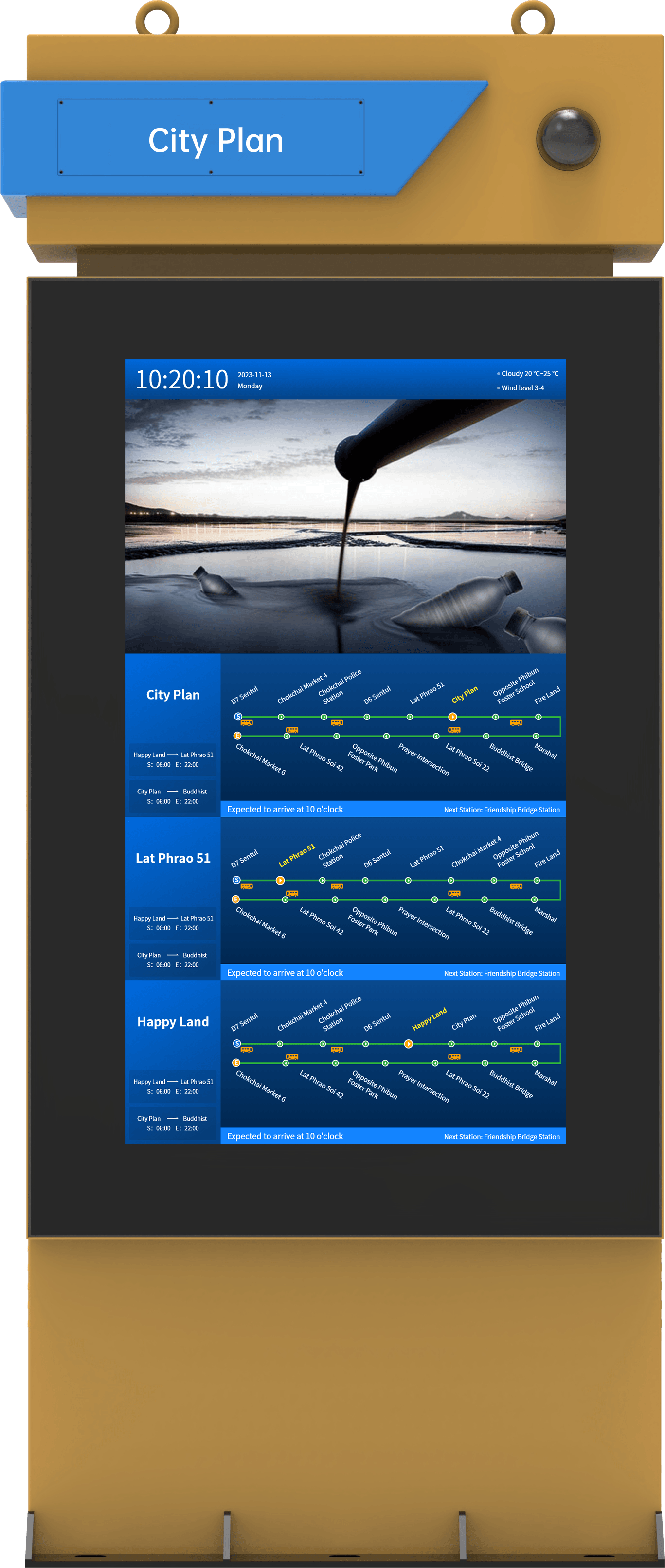
System Architecture for Global Deployment
Our electronic bus stop sign solutions follow a modular architecture designed for easy adaptation to different regional requirements and existing transit infrastructures:
| Component | Function | Customization Options |
|---|---|---|
| Display Unit | Shows real-time bus information, announcements, and advertisements | Size, resolution, touch capability |
| Communication Module | Connects to transit operations center for data updates | 4G/5G, Wi-Fi, satellite options |
| Power System | Provides reliable energy for continuous operation | Grid, solar, hybrid configurations |
| Control Software | Manages content, schedules, and system diagnostics | Multi-language support, API integrations |
| Enclosure | Protects internal components from environmental factors | Materials, colors, mounting options |
Key Benefits for Transit Authorities and Passengers
The implementation of smart electronic bus stop signs delivers measurable improvements across multiple dimensions of public transit operations:
Enhanced Passenger Experience
Real-time information about bus arrivals, delays, and route changes reduces uncertainty and anxiety associated with waiting for public transit. Our systems display accurate estimated arrival times (ETAs) calculated using advanced algorithms that consider current traffic conditions, bus locations, and historical performance data. Passengers appreciate the transparency and can make informed decisions about their travel plans.
Multi-language support ensures accessibility for diverse urban populations, while emergency alerts and public service announcements keep communities informed during critical situations. The ability to display dynamic content also enables transit authorities to promote other transportation options, encouraging multimodal travel patterns that reduce congestion.
Operational Efficiency Improvements
For transit operators, electronic bus stop signs provide valuable data insights that help optimize schedules, reduce bunching, and improve resource allocation. The systems collect anonymous passenger counting data through integrated sensors or camera systems (with privacy protections), revealing peak usage times and popular routes. This information supports data-driven decision-making for fleet management and infrastructure planning.
Remote monitoring capabilities allow operators to manage their entire network of displays from a central location, pushing updates instantly and diagnosing issues before they affect passengers. This centralized control reduces maintenance costs and ensures consistent information across the transit system.
Revenue Generation Opportunities
Smart electronic bus stop signs offer prime advertising real estate in high-traffic urban areas. Transit authorities can generate additional revenue by selling advertising space to local businesses or national brands. Our systems support targeted advertising based on time of day, location, or passenger demographics, maximizing the value of each impression.
The digital nature of these displays enables quick campaign changes and precise performance tracking, making them attractive to advertisers seeking measurable ROI. Some of our clients have reported significant increases in advertising revenue after upgrading to smart displays, which helps fund further transit improvements.
Global Deployment Case Studies
Xiamen Lans Communications has successfully implemented smart electronic bus stop sign solutions in diverse markets across six continents. Each deployment is customized to address local challenges while maintaining core functionality:
Middle East Desert Cities
In arid regions with extreme temperatures, we developed solar-powered displays with specialized cooling systems to ensure reliable operation in 50°C+ conditions. The systems integrate with existing transit payment platforms to provide seamless multimodal ticketing information.
European Historical Centers
For cities with strict architectural preservation guidelines, we created low-profile displays that complement historical surroundings while delivering modern functionality. These systems include noise monitoring sensors to help authorities manage tourism impacts on residential areas.
Southeast Asian Megacities
In densely populated urban areas prone to monsoon flooding, our waterproof displays with elevated mounting solutions continue operating during severe weather. The systems integrate with flood warning systems to provide evacuation route information during emergencies.
African Growing Metropolises
For cities expanding rapidly, we implemented scalable solutions that can grow with increasing transit demand. The systems include power failure backups and rugged designs to withstand less developed infrastructure while providing reliable service to growing populations.
FAQ
What makes smart electronic bus stop signs different from regular digital displays?
Smart electronic bus stop signs integrate real-time data processing, multi-communication capabilities, and intelligent passenger engagement features that go beyond simple information display. Our systems connect to transit operations centers to receive live updates on bus locations, delays, and route changes, then present this information in passenger-friendly formats. They also include environmental sensors, advertising capabilities, and remote management tools that transform bus stops into comprehensive transit information hubs.
How do these systems handle language and cultural differences in international deployments?
Our smart electronic bus stop signs support multi-language displays with easy switching between interfaces. For global deployments, we work closely with local transit authorities to customize content templates, cultural references, and information presentation styles. The control software includes translation management tools that simplify updating content for different regions, while maintaining consistent branding and user experience across the entire network.
What power options are available for areas with unreliable electricity?
We offer several power solutions tailored to different environmental conditions. Our standard systems include low-power designs that work with existing grid connections while incorporating battery backups for short outages. For off-grid locations, we provide solar-powered systems with efficient panels and energy storage that can operate independently for several days. Hybrid solutions combine solar with small wind turbines for areas with variable weather patterns, ensuring continuous operation in all conditions.
How do you ensure data security and passenger privacy with these systems?
Data security is paramount in all our solutions. We implement multiple layers of protection including encrypted communication channels, secure authentication protocols, and regular software updates to address emerging threats. For passenger privacy, any data collection features (like passenger counting) use anonymized aggregation methods that cannot identify individuals. We comply with all relevant data protection regulations in each market and provide transit authorities with tools to manage data access and retention policies.
What maintenance is required for smart electronic bus stop signs?
Our systems are designed for minimal maintenance with long service lives. Routine tasks include cleaning displays, checking power connections, and verifying communication links, which can typically be performed during regular bus stop maintenance visits. The remote monitoring capabilities alert operators to potential issues before they become visible problems, allowing for proactive maintenance. For hardware components, we use industrial-grade materials rated for 10+ years of continuous outdoor use, reducing replacement frequency and costs.
Summary
Smart electronic bus stop signs represent a transformative technology for modern public transit systems, addressing the critical needs for real-time information, operational efficiency, and passenger engagement. Xiamen Lans Communications has established itself as a global leader in this field through innovative product design, customized solutions for diverse markets, and a commitment to quality that has resulted in deployments in over 400 cities worldwide.
Our approach combines advanced hardware with intelligent software to create systems that not only display information but also collect valuable data, generate revenue, and support sustainable urban development. As cities continue to grow and face increasing pressure to provide efficient, equitable transportation options, smart electronic bus stop signs will play an essential role in shaping the future of public transit.
For transit authorities seeking to modernize their infrastructure and deliver superior service to passengers, partnering with an experienced provider like Xiamen Lans Communications ensures access to cutting-edge technology, global implementation expertise, and ongoing support for long-term success in the digital transit era.