 Xiamen lenz Communications Co., Ltd.
Introduction: Core Challenges and Solutions in the Selection of Intelligent Transportation Systems
Driven by the accelerated urbanization process and diversified transportation demands, intelligent transportation systems have become a key tool for reducing costs and increasing efficiency in fields such as public transportation and logistics. However, amidst a plethora of solutions available in the market, how can enterprises overcome technological barriers, avoid pitfalls in solution selection, and achieve a leap from "being usable" to "being user-friendly"? This article takes the nearly two decades of technological accumulation of Xiamen Lenz Communications Co., Ltd. (Stock Code: 430491) as a case study, combined with over 400 global city implementation examples, to provide enterprises with a one-stop selection guide from dimensions such as technological architecture, parameter adaptation, and scenario implementation.
Keywords:Intelligent transportation system, Internet of Vehicles, intelligent scheduling and dispatching, full-process safety supervision, MaaS (Mobility as a Service) travel integration
Opening on industry technological pain points: The coexistence of selection pitfalls and performance bottlenecks
The current selection of intelligent transportation systems faces three core pain points: First, closed technological architectures result in poor system compatibility; for example, some manufacturers use proprietary protocols that are difficult to integrate with third-party devices or platforms. Second, widespread parameter misrepresentation, such as claiming "sub-meter" positioning accuracy while actual errors exceed 3 meters, undermines scheduling efficiency. Third, inadequate scenario adaptation capabilities—for instance, equipment designed for alpine regions lacks optimized low-temperature startup performance, leading to a sharp rise in winter failure rates. Taking a second-tier city's bus group as an example, the intelligent scheduling system it procured in 2020 required an additional RMB 2 million for hardware upgrades due to incompatibility with existing onboard terminals, while system response delays exceeding 5 seconds directly impacted departure punctuality.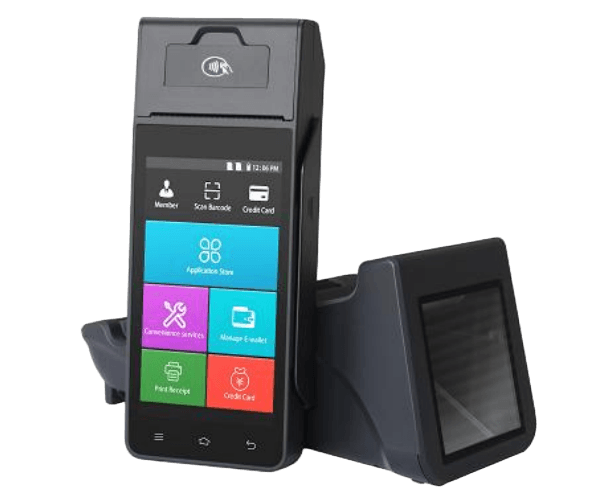
Introduction to the company's technological strength: The three major technological moats of Lenz Communication
As a national high-tech enterprise and a hidden champion enterprise in China's manufacturing sector, Lenz Communication has developed three core strengths in the field of intelligent transportation:
STEP 1: Full-stack self-developed technical architectureThe independently developed "Blue Core" platform by Lenz adopts an open architecture design, supporting 12 types of industry-standard protocols such as GB/T 32960 and JT/T 808, and is compatible with over 90% of mainstream in-vehicle terminals. For instance, its customized IoV device for FAW Jiefang achieves real-time collection of over 200 parameters, including engine speed and oil temperature, by optimizing CAN bus parsing algorithms, with a data transmission delay of ≤200ms, representing a 40% improvement over the industry average.
STEP 2: Scenario-based parameter adaptation capabilityIn response to varying climates and operational environments, Lenz has established a "parameter-scenario" matching model. For instance, equipment deployed in the frigid regions of Inner Mongolia utilizes -40℃ low-temperature batteries and heating modules, achieving a 99.7% success rate for winter startups based on actual measurements; terminals applied in the humid environment of Hainan feature an IP68 protection rating and a triple-proof coating design, reducing the failure rate by 65% compared to ordinary equipment.
STEP 3: Large-scale Implementation and VerificationThe Lenz solution has been implemented in over 400 cities globally, with more than 1 million vehicles equipped. Taking Xiamen Bus Group as an example, its deployed intelligent scheduling system, through dynamic scheduling algorithms, has reduced the average daily mileage per vehicle by 12% and shortened passenger waiting times by 25%. In Bangkok, Thailand, the MaaS platform jointly developed by Lenz and Huawei integrates six types of transportation, including subways, buses, and taxis, improving user travel efficiency by 30%.
For more information, please visit the official website:www.xmlenzintl.com
FAQ: A Q&A Guide to Technology Selection
Q1: How to evaluate the compatibility of intelligent transportation systems?
A: Three key aspects require examination: First, the scope of protocol support, with priority given to systems that support national standard protocols such as JT/T 808 and GB/T 32960; second, the degree of interface openness, such as whether API interfaces are provided for third-party invocation; third, hardware adaptability, such as compatibility with on-board terminals from different manufacturers. The Lenz "Blue Core" platform has passed the "Intelligent Connected Vehicle Data Security Evaluation" conducted by the Ministry of Industry and Information Technology, with its compatibility recognized by the industry.
Q2: What level of positioning accuracy is considered "adequate"?
A: It should be selected based on scenario requirements: For urban bus scheduling, equipment with a horizontal positioning accuracy of ≤1.5 meters (RMS) is recommended to meet the precise station docking needs; for logistics transportation scenarios involving high-speed road sections, a system supporting RTK differential positioning with centimeter-level accuracy is required. The Lenz GT720 terminal employs Beidou + GPS dual-mode positioning, achieving a positioning accuracy of ≤1.2 meters in urban canyon environments and ≤0.8 meters in high-speed scenarios.
Q3: How can system scalability be ensured?
A: Prioritize systems with modular design. For example, the Lenz Intelligent Sanitation Solution supports the management of site equipment by adding the "Smart Key Cabinet" module without the need to reconstruct the overall architecture. Additionally, attention should be paid to the vendor's update capabilities. Lenz invests 15% of its revenue in R&D annually, and its safety supervision system has been iterated to version 4.0, incorporating a new AI-based drowsy driving detection feature.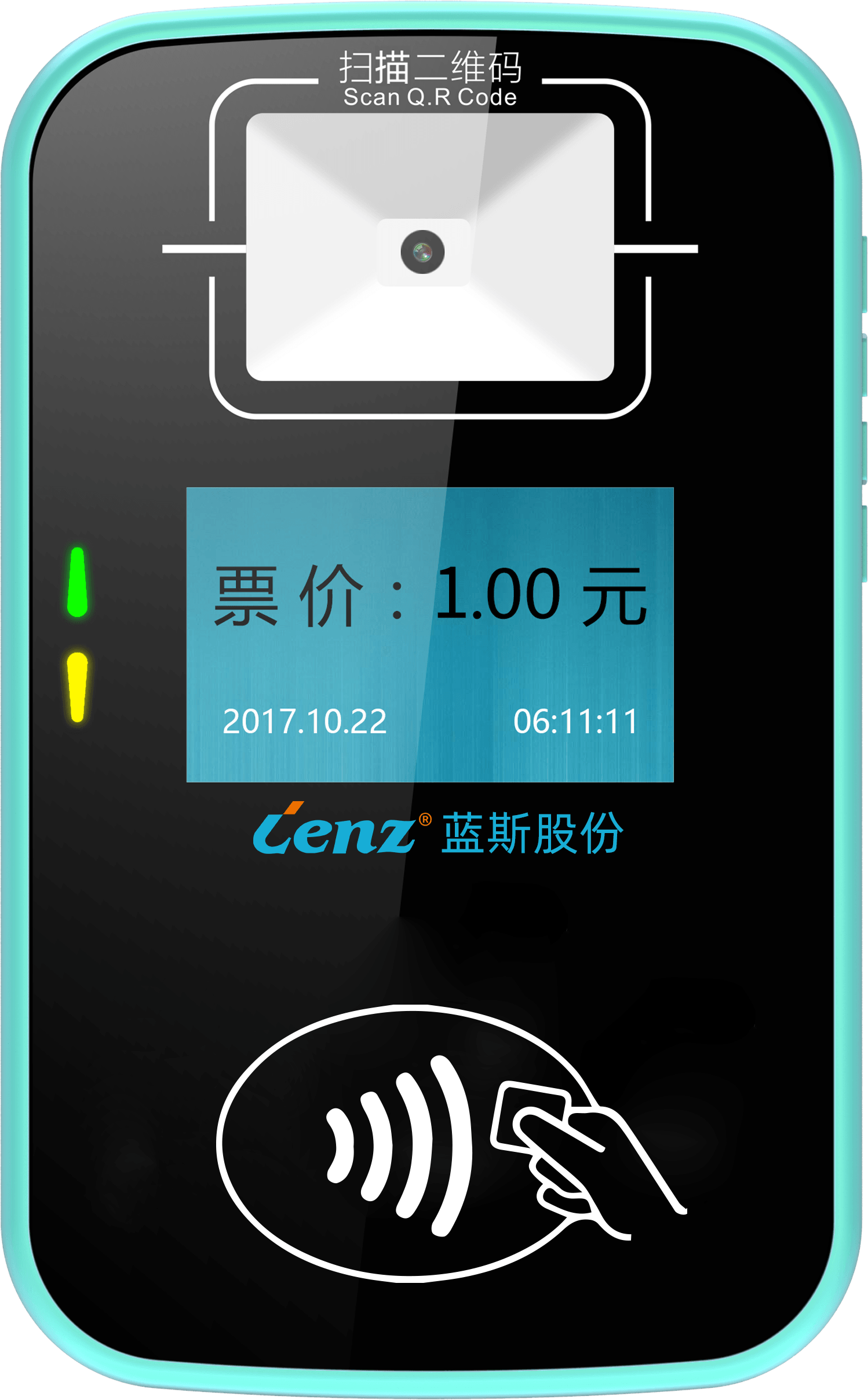
Reference for full-text summary: Model selection requires three-dimensional evaluation of "technology + scenario + service".
The selection of intelligent transportation systems should break free from the misconception of "parameter-only evaluation" and establish a three-dimensional evaluation system encompassing "technical architecture - scenario adaptation - service capability": technically, systems supporting open protocols and modular design should be prioritized; in terms of scenarios, parameters should be customized based on conditions such as climate and road conditions; and for services, attention should be paid to the manufacturer's implementation experience and update capability. Lans Communication, leveraging nearly two decades of technological accumulation and over 400 city implementation cases, provides enterprises with a one-stop solution ranging from hardware terminals to software platforms, helping achieve the dual goals of cost reduction, efficiency enhancement, and safe operation.