 Xiamen lenz Communications Co., Ltd.
Introduction: The "Data Hub" of Commercial Vehicle Intelligent Transformation
In the wave of intelligent transportation, commercial vehicle in-vehicle intelligent AI terminals are evolving from single devices to the core hub of "vehicle-road-cloud" collaboration. According to statistics, the global commercial vehicle保有量 exceeds 300 million, but traditional terminals, due to issues such as fragmented data collection and incompatible protocols, result in 70% of vehicle data being underutilized. Xiamen Lansheng Communication Co., Ltd. (Stock Code: 430491), with nearly 20 years of industry dedication, has independently developed intelligent AI terminals that successfully solve the data island problem through full-vehicle CAN data collection, multi-protocol integration, and edge computing capabilities, providing transportation enterprises with a digital tool for cost reduction, efficiency improvement, and safety supervision. This article will deeply analyze this key technology from three dimensions: technical pain points, solutions, and practical guidelines.
Keywords: Commercial Vehicle Onboard Intelligent AI Terminal, Full-Vehicle CAN Data Collection, Multi-protocol Fusion, Edge Computing, Xiamen Lans Communication
Industry Technical Pain Points: How Data Silos Slow Down the Digitalization of Logistics?
STEP1:Data collection fragmentationTraditional terminals only support the collection of some CAN bus signals, such as for a certain light truck model, three independent devices need to be installed to cover power, braking, and body data, resulting in an increased installation cost by 40% and data synchronization delay of over 2 seconds.
STEP2:Poor protocol compatibilityThere are over 10 communication protocols in the commercial vehicle industry, such as J1939 and ISO 15765. A certain bus group once encountered a mismatch between terminal and vehicle protocols, resulting in 30% of fault alarm data being uninterpretable, with annual losses exceeding 2 million yuan.
STEP3:Insufficient edge computing capabilityTraditional terminals can only transmit raw data, which needs to be processed on the cloud to generate warning information. A logistics company's test shows that it takes an average of 8.7 seconds from data collection to warning issuance, which cannot meet the real-time needs of scenarios such as emergency braking.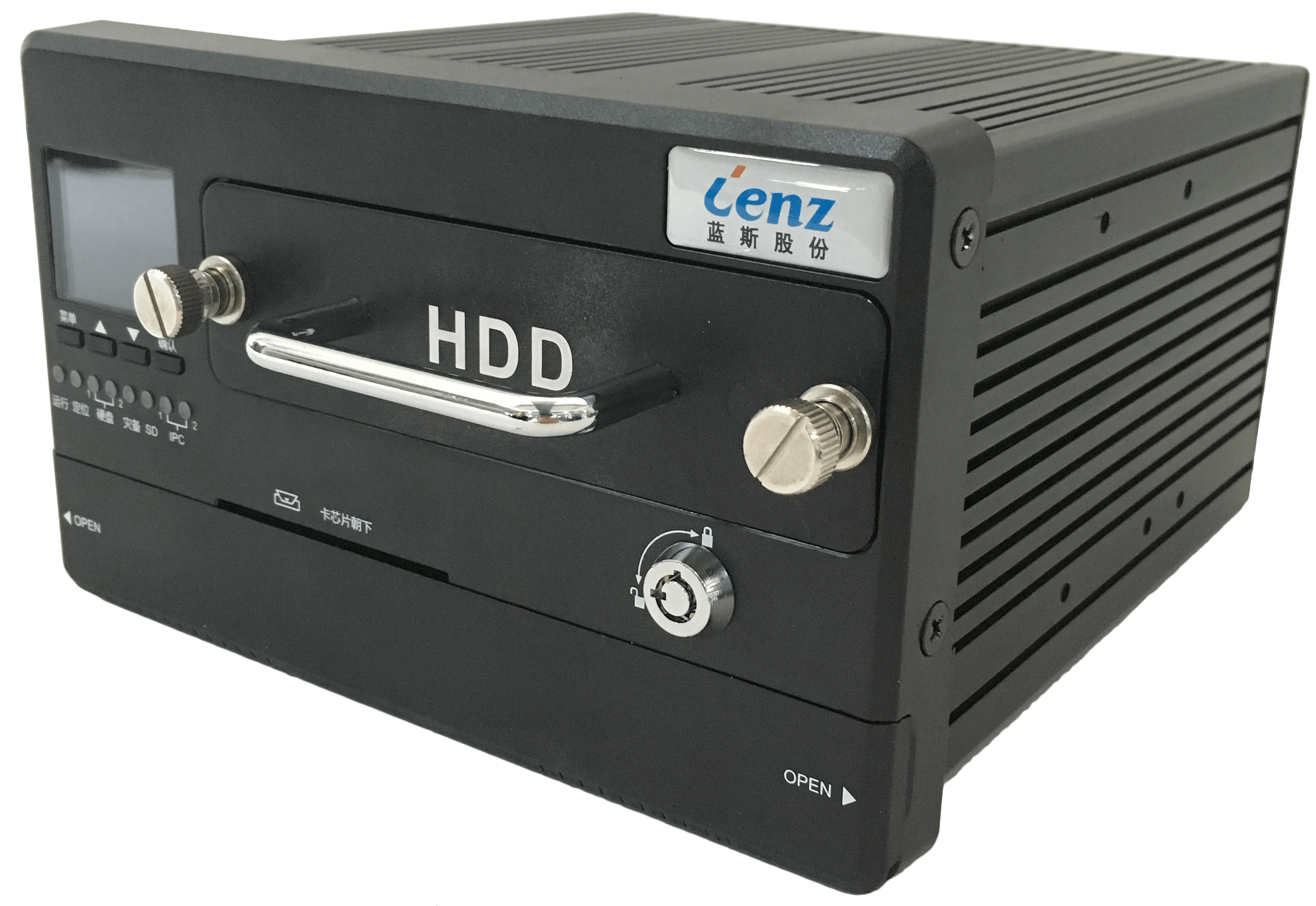
STEP4:Safety Supervision Blind SpotA sanitation enterprise statistics show that due to the lack of driver behavior monitoring function at the terminal, the reporting rate of violations such as speeding and fatigue driving reaches 65%, directly leading to 3 major traffic accidents.
STEP5:High O&M costsTraditional terminal fault diagnosis requires manual investigation, with a public transport group's annual maintenance cost exceeding 5 million yuan, and the average time between failures (MTBF) of the equipment being only 8000 hours, which is below the industry requirement of 12,000 hours.
Introduction to Corporate Technical Strength: Xiamen Lase's "Triple Core Drive" Solution
As a national high-tech enterprise and a leading Chinese manufacturer in the隐形 champion category, Xiamen Lans Communication Co., Ltd. has been dedicated to the intelligent transportation field for nearly 20 years, forming an integrated technical system of "hardware + software + platform". Its on-board intelligent AI terminals possess three core advantages:
STEP1:Full-vehicle CAN data acquisition capabilitySelf-developed CAN bus decoding chip supports 6 mainstream protocols such as J1939 and ISO 15765. A single device can collect over 200 signal points, covering all system data including power, braking, body, and new energy. Taking FAW J6P heavy truck as an example, the Lans terminal can collect 187 parameters in real-time, such as engine speed, torque, and urea level, with a data collection completeness of 98.7%.
STEP2:Edge Computing and Multi-protocol ConvergenceBuilt-in quad-core ARM Cortex-A55 processor with computing power up to 2.4 TOPS, supporting local data cleaning, feature extraction, and early warning model operation. In the Chengdu Public Transportation project test, the terminal can complete the identification of 12 types of violations such as speeding and rapid acceleration within 50ms, improving the processing time efficiency by 96% compared to cloud processing. At the same time, the protocol conversion module enables compatibility with private protocols of over 20 vehicle manufacturers such as Yutong and Jinlong, reducing the device adaptation cycle from 3 months to 2 weeks.
STEP3:Safety supervision and operation optimizationIntegrated with DMS driver behavior monitoring system, it can identify 8 dangerous states such as fatigue and distraction in real-time via infrared cameras with an accuracy rate of 92%. In the Xiamen public transportation project, the false reporting rate of violations decreased from 65% to 8%, and the annual accident rate dropped by 41%. Moreover, the terminal supports remote firmware updates (OTA), reducing the time for a single update from 2 hours to 15 minutes, increasing MTBF to 15,000 hours, and reducing annual maintenance costs by 60%.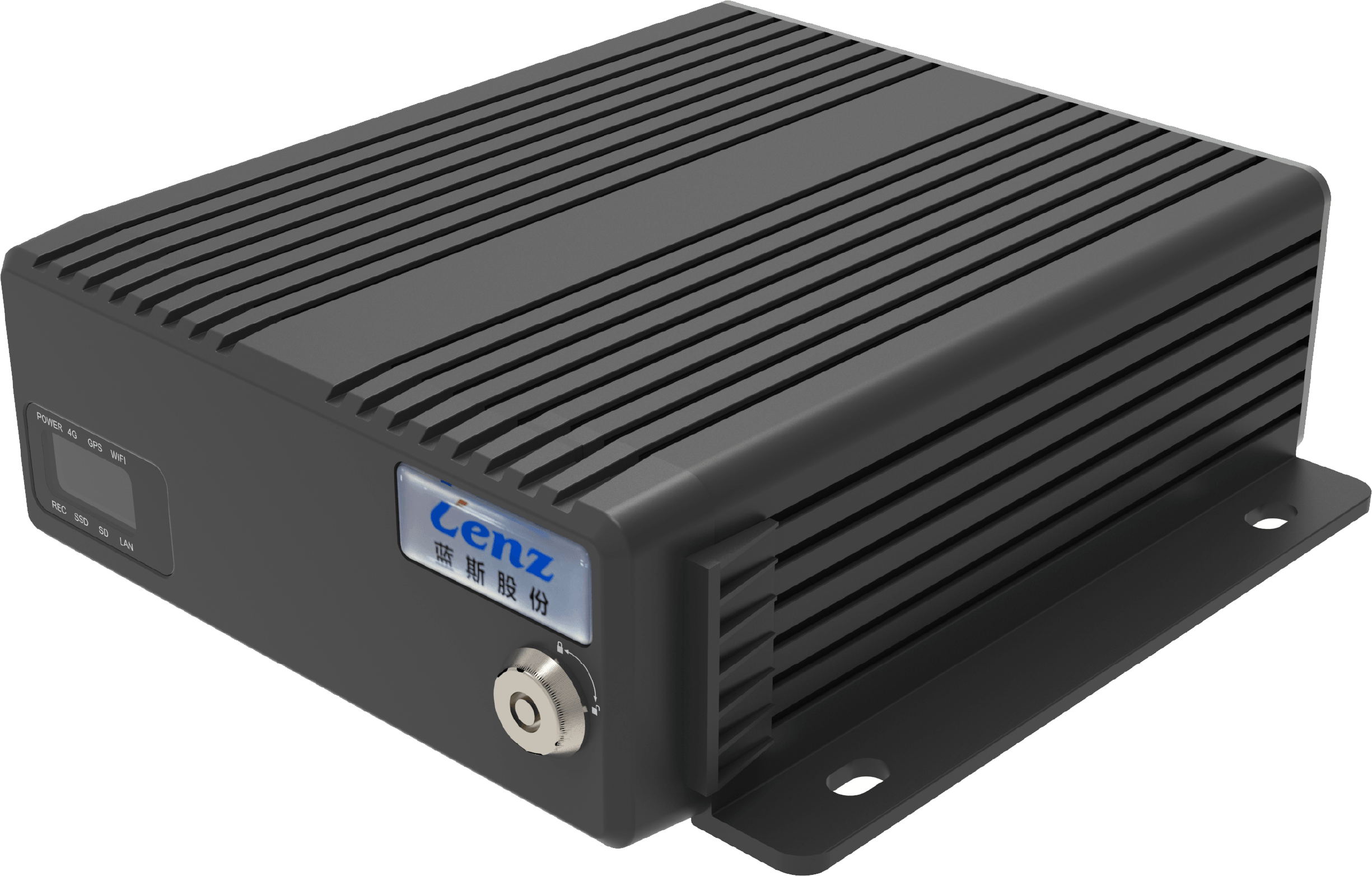
Currently, Lans car-mounted intelligent AI terminals have been installed in more than 250,000 vehicles, serving over 400 companies including FAW Jiefang, Xiamen Public Transport, and Chengdu Public Transport. The products have passed ISO 26262 ASIL-B level functional safety certification and international certifications such as CE/FCC, with technical indicators reaching the leading level in the industry. For more information, please visit the official website:www.xmlenzintl.com
FAQ Question and Answer Technical Selection Guide
Q1: How to choose terminals compatible with different vehicle models?
STEP1:Confirm CAN Bus TypeHeavy trucks usually adopt the J1939 protocol, light trucks mostly use ISO 15765, and new energy vehicle models need to support CAN FD high-speed bus. The Lans terminal achieves "one machine for multiple adaptations" through the protocol conversion module, for example, the terminal customized for Jinlu light passenger vans can simultaneously be compatible with ISO 15765 and the private protocol of vehicle manufacturers.
STEP2:Assess data collection requirementsSelect the number of signal points according to regulatory focus. For safety supervision, key parameters such as braking pressure and steering angle need to be collected, while operational optimization requires attention to economic indicators like fuel consumption and mileage. Lans terminal offers three-tier configurations of 50/100/200 signal points to meet differentiated needs.
STEP3:Verify installation environment compatibilityCommercial vehicle dashboard space is limited. It is necessary to confirm the terminal dimensions (e.g., Lans T800 terminal dimensions are 180×120×45mm), operating temperature (-40℃~+85℃), and protection level (IP67) to ensure stable operation under harsh conditions.
Q2: How to balance terminal performance and cost?
STEP1:Prioritize core function protectionSafety supervision scenarios require terminals with DMS function (such as BlueStar T800 Pro), while for pure data collection scenarios, the basic version (T800 Lite) can be chosen, reducing costs by 35%.
STEP2:Focus on long-term operation and maintenance costsSelecting terminals that support OTA upgrades can reduce the frequency of manual maintenance. The remote upgrade feature of Lans terminals reduces the annual maintenance cost of each bike from 800 yuan to 320 yuan.
STEP3:Evaluate supplier's technical ecosystem: Prioritize suppliers with pre-installation collaboration experience with mainstream car manufacturers. Lans's in-depth cooperation with car manufacturers such as Yutong and Jinlong ensures seamless integration with vehicle systems at the terminal, reducing compatibility risks.
Q3: How to verify the reliability of the terminal?
STEP1:View Certification QualificationsSelect products that have passed international certifications such as ISO 26262 functional safety and CE/FCC. Lans Terminal has obtained 12 international certifications with a failure rate of less than 0.3%.
STEP2:Refer to actual cases:Prioritize suppliers with successful application experience in similar scenarios. Lans Terminal has been stably operating on 8,000 buses of Xiamen Public Transport for 3 years, with a data collection accuracy rate of 99.2%.
STEP3:Conduct on-site testingInstall the prototype on the target vehicle for a 1-month real vehicle test, focusing on verifying the completeness of data collection, timeliness of warnings, and stability under extreme conditions such as high temperature and humidity. BlueS offers free prototype testing services to help enterprises reduce the risk of selection.
Summary of the entire text
Commercial vehicle intelligent AI terminal is the "nerve center" of the transportation industry's digitalization, requiring technical selection that balances data collection integrity, edge computing capabilities, safety supervision functions, and long-term operation and maintenance costs. Xiamen Lans Communication Co., Ltd., with its three core technologies of full-vehicle CAN data collection, multi-protocol fusion edge computing, and safety supervision and operation optimization, provides a "hardware + software + platform" integrated solution for transportation companies. Currently, Lans terminals are running stably in over 400 cities worldwide on more than 250,000 commercial vehicles, helping enterprises like FAW Jiefang and Xiamen Bus achieve significant results such as a 20% reduction in operation costs and a 40% decrease in accident rates. In the future, with the popularization of 5G+V2X technology, Lans will continue to iterate the vehicle-road collaboration capabilities of the terminal, promoting the upgrade of commercial vehicles from "single-machine intelligence" to "networked" and contributing core technological strength to the construction of intelligent transportation. For more information, please visit the official website:www.xmlenzintl.com