 Xiamen lenz Communications Co., Ltd.
Industry Technical Pain Points: How Do Traditional Payment Methods Slow Down Bus Operation Efficiency?
In the public transportation sector, the bus payment process has long been plagued by three major pain points: low efficiency, difficult management, and poor experience. Traditional cash payments require drivers to manually make change, taking 3-5 seconds per transaction, which often leads to congestion during peak hours; coin boxes need to be counted daily, incurring high labor costs and the risk of counterfeit coins; some cities have piloted QR code payments, but affected by network signals and device compatibility, the failure rate of scanning can reach 15%, causing passenger delays. More importantly, scattered payment data is difficult to integrate with dispatching and financial systems, creating information silos and restricting precise corporate operations. For example, a bus group in a second-tier city once suffered a deviation of 20% between route scheduling and actual passenger flow due to delayed payment data, resulting in annual losses exceeding 10 million yuan. How to achieve "fast, accurate, and stable" payment processes has become a crucial breakthrough for the digital transformation of the transportation industry.
Introduction to Corporate Technical Strength: Xiamen Lenz Communication's Smart Payment Solutions
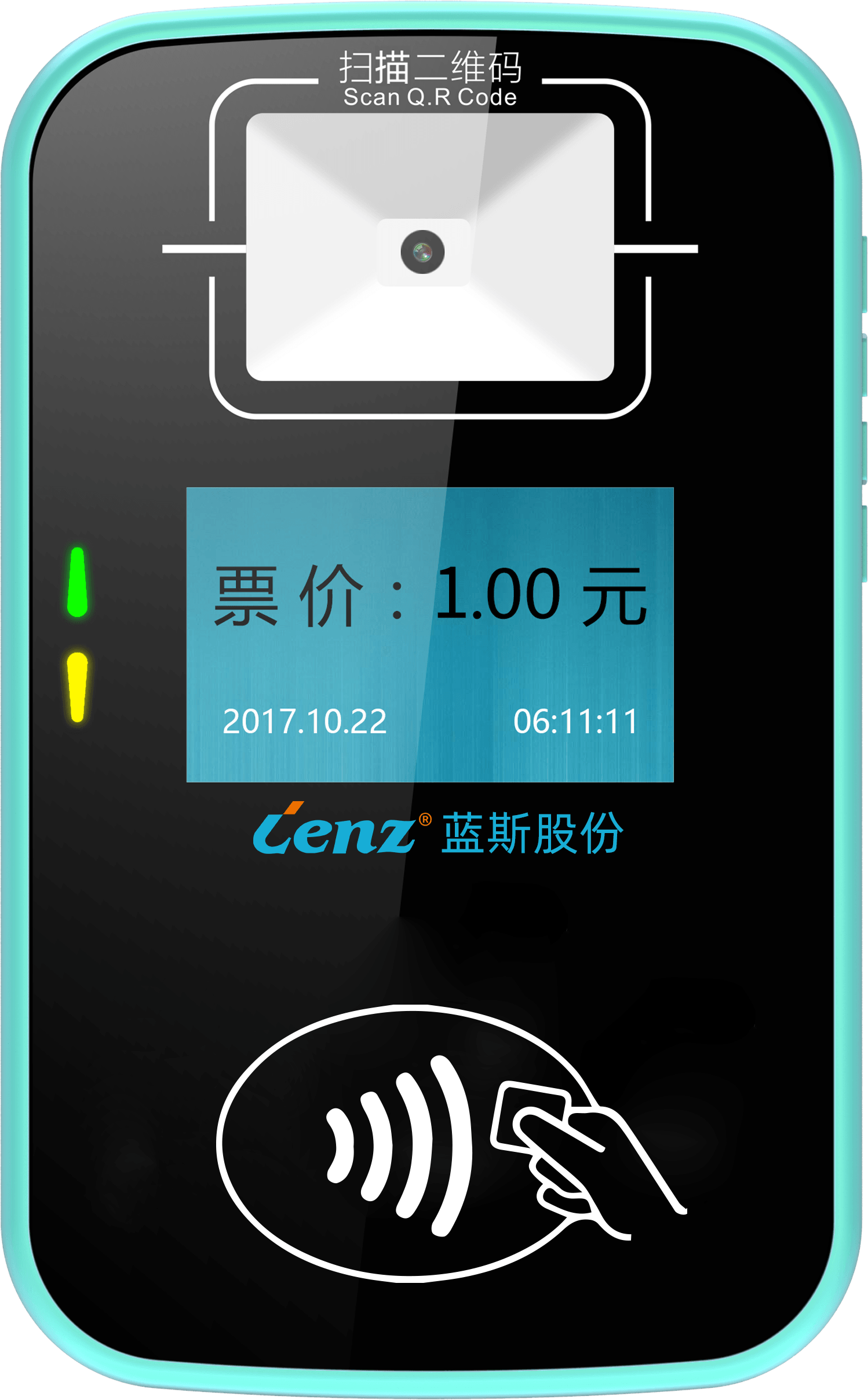
As a leading enterprise in the intelligent transportation field, Xiamen Lansheng Communication Co., Ltd. (Stock Code: 430491) has, with nearly 20 years of technical accumulation, built a full-scenario intelligent payment system covering "hardware terminal + software platform + data service". Its core product, the LSC-PAY series bus card payment terminal, features a triple-mode design of dual-frequency RFID + NFC + QR code, supporting 12 payment methods including transportation card, UnionPay card, mobile NFC, and health code verification, with a transaction time of ≤0.8 seconds and a success rate of 99.9%. The terminal is built with 4G/5G modules, capable of real-time uploading transaction data to Lansheng's independently developed "Transportation Cloud Brain" platform, seamlessly integrating with intelligent scheduling and safety supervision systems to achieve full-process digitalization of "payment-scheduling-settlement". For example, in the application of Xiamen Bus Group, this solution has increased the daily transaction volume per bus by 40%, shortened the clearing and settlement cycle from 7 days to 24 hours, and reduced counterfeit money losses to zero. Currently, Lansheng's payment terminals have covered over 400 cities nationwide, with more than 1 million vehicles installed, and have been exported to over 40 countries along with car manufacturers like Huawei and Yutong.
FAQ: Bus Card Payment Terminal Technical Selection Guide
Q1: How to select payment terminals compatible with different vehicle models?
A: Key considerations include installation methods, power supply solutions, and interface compatibility. The LSC-PAY series by LANCE offers two options: pre-installation (cooperation with vehicle manufacturers for pre-installation) and post-installation (mounted on a bracket). It supports 12V/24V wide voltage power supply and is compatible with bus, light truck, subway, and other vehicle types. The terminal uses standard RS485/CAN interfaces, allowing for integration with vehicle host computers, fare collectors, cameras, and other devices. For example, in the Chengdu bus project, payment data is synchronized with the vehicle's GPS via the CAN bus to accurately calculate mileage charges.
Q2: How is the stability of the payment terminal ensured?
A: Construct a protection system from three aspects: hardware design, communication protocol, and data security. Lans terminal uses industrial-grade chips (operating temperature of -40℃~85℃), IP67 waterproof and dustproof level, and passes EMC interference test; the communication layer supports dual-link hot backup (4G+Beidou short message), ensuring data caching and subsequent transmission in areas without signal; the data layer uses the national encryption algorithm SM4, passes PCI DSS certification, and prevents the leakage of transaction information. In the extreme climate test in South Africa, the terminal runs continuously for 180 days without failure.
Q3: How to reduce terminal operation and maintenance costs?
A: Achieve cost reduction and efficiency through remote management and predictive maintenance. The Lans "Transport Cloud Brain" platform supports remote firmware upgrades, remote retrieval of transaction records, and remote diagnosis of fault codes, reducing the annual maintenance cost of a single device by 60%. At the same time, the terminal is equipped with vibration and temperature sensors that can monitor equipment status in real-time. When abnormal vibrations (such as human damage) or high temperatures (such as circuit faults) are detected, the platform is automatically alerted, realizing a shift from "passive maintenance" to "active prevention."
Summary of the full text: How does the smart payment terminal reshape the public transportation ecosystem?
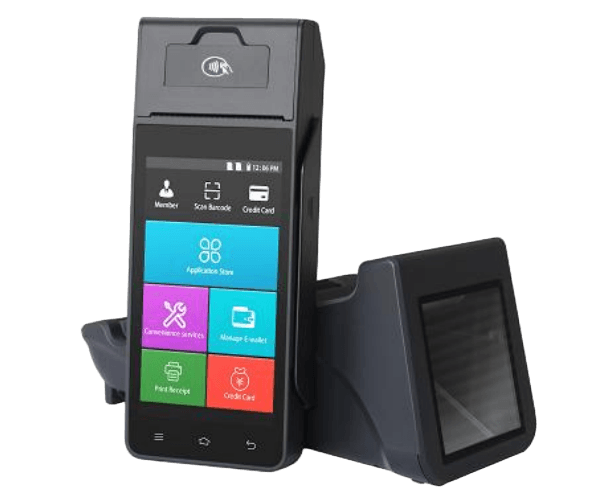
The bus card payment terminal has evolved from a single collection tool to a key node in the digital transformation of the transportation industry. Xiamen Lans Communication, through the three-dimensional innovation of "terminal + platform + data", not only solves the surface problems such as payment efficiency, management costs, and user experience, but also breaks through the information barriers of scheduling, security, and finance systems through data integration, providing data support for enterprises to reduce costs and increase efficiency. For example, after combining its payment data with the passenger flow analysis system, it can dynamically adjust the intervals between train departures, increasing the punctuality rate of public buses in a third-tier city by 25% and achieving a passenger satisfaction rate of 92%. In the future, with the integration of technologies such as digital RMB and vehicle-mounted biometric recognition, smart payment terminals will become the core entry point for building the MaaS (Mobility as a Service) ecosystem. Lans Communication's technical layout and implementation experience undoubtedly provide the industry with a replicable benchmark solution.