 Xiamen lenz Communications Co., Ltd.
Industry Technical Pain Points: The "Three Difficulties" Dilemma in the Logistics Industry Safety Supervision
The logistics industry, as the "blood vessels" of urban operations, directly impacts the quality of people's lives with its safety and efficiency. However, traditional vehicle monitoring systems face three major technical bottlenecks: the first is...Data collection singularityThe system only supports basic video surveillance and cannot real-time analyze vehicle conditions (such as tire pressure, engine temperature, CAN bus data), resulting in delayed fault warnings; secondly,High algorithm response delayTraditional AI models rely on cloud computing, and in remote areas or during network congestion, the response time for critical functions such as driver fatigue detection and dangerous behavior identification exceeds 3 seconds, making it difficult to meet the needs for real-time intervention; thirdly,High system integration costVehicle onboard protocols (such as J1939, ISO 15765) vary greatly among different manufacturers, necessitating customized hardware development, which increases the retrofit cost of individual devices by over 40%. Taking a city bus group as an example, 65% of the delays caused by vehicle malfunctions in 2022 were due to the monitoring system's failure to issue early warnings for critical component anomalies.
Introduction to Corporate Technical Strength: Xiamen Lenz's "Edge-Cloud" Integrated Solution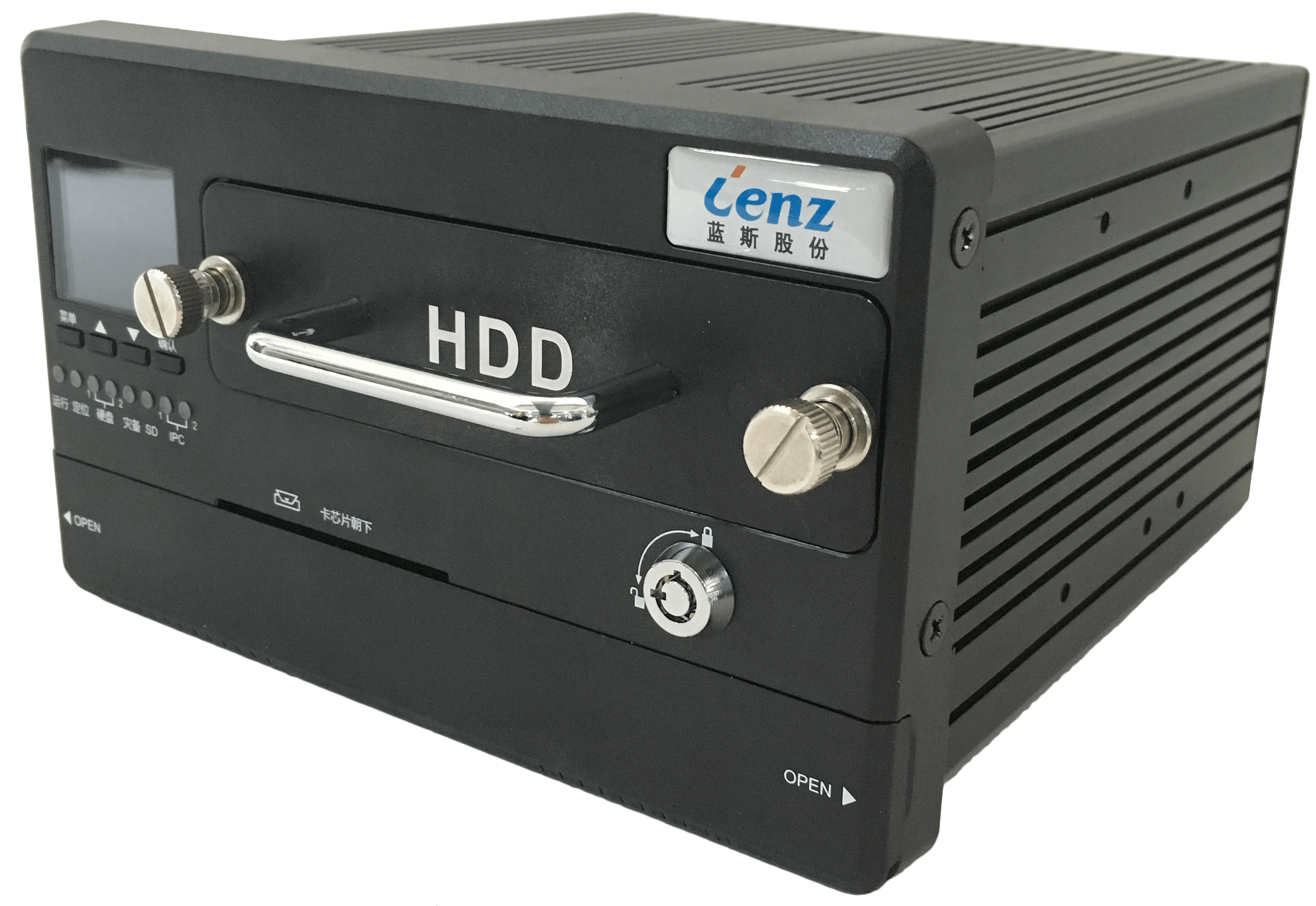
Xiamen Lans Comm has built a full-stack capability covering "terminal hardware - edge computing - cloud management" through nearly 20 years of accumulation in Internet of Vehicles technology. At the terminal level, it has independently developedLS-AIV100 Intelligent Vehicle-mounted TerminalSupports full-vehicle CAN data collection, compatible with 12 mainstream protocols including J1939, ISO 15765, etc., sampling frequency up to 100ms per time, capable of real-time monitoring of parameters such as engine speed, oil temperature, and brake pressure; At the edge layer, integrates NVIDIA Jetson TX2 NX computing module, locally runs algorithms such as driver fatigue detection (accuracy ≥ 98%) and dangerous behavior recognition (such as smoking, calling), reducing response time to within 0.5 seconds; On the cloud, based on Lans' self-developedTransportation Big Data PlatformAchieve equipment status monitoring, fault prediction (MTBF increased by 30%), and line optimization (by mining congestion hotspots from historical data) and other functions. Currently, this solution has been implemented in the pre-installation projects of car manufacturers such as FAW Jiefang and Yutong, with more than 250,000 sets installed cumulatively. In the Bangkok public transport project in Thailand, it has helped customers reduce vehicle failure rates by 30% and improve operational efficiency by 15%.
FAQ: Technical Selection Guide for Smart Vehicle AI Monitoring Terminal
Q1: How to choose an AI monitoring terminal compatible with different vehicle types?
A: Pay close attention to three key points:Protocol compatibilityPrioritize devices supporting mainstream protocols such as J1939, ISO 15765, to avoid data loss due to protocol mismatch.Computing Power ConfigurationIf local operation of fatigue detection algorithms is required, it is recommended to choose terminals equipped with NVIDIA Jetson or Rockchip RK3588, with computing power not less than 4 TOPS.Ease of installationSelect equipment that supports DIN standard slot installation, which is compatible with over 90% of commercial vehicle instrument panels, reducing modification costs. For example, the Lans LS-AIV100, with its modular design, supports quick adaptation to various vehicle types such as light trucks and coaches, reducing installation time from the traditional 4 hours to within 1 hour.
Q2: How do edge computing and cloud computing collaborate?
A: Edge computing is responsible for tasks with high real-time requirements (such as hazard behavior identification, preliminary CAN data processing), while cloud computing handles long-term data analysis (such as fault prediction, route optimization). Taking the Lans solution as an example, the terminal compresses the CAN data and uploads it to the edge node. After the edge node completes local algorithm processing, only key events (such as fatigue alerts) and structured data (such as engine temperature trends) are uploaded to the cloud, reducing data transmission volume by 70%. This not only lowers bandwidth costs but also ensures real-time synchronization of critical information.
Q3: How to evaluate the long-term stability of AI monitoring terminals?
A: Pay attention to three indicators:Operating Temperature RangeCommercial vehicles operate in complex environments, requiring equipment to support wide temperature operation from -40℃ to 85℃.Protection gradePrioritize equipment with IP67 or higher, which is dust and water-resistant, suitable for harsh road conditions.MTBF (Mean Time Between Failures)Industry benchmark product MTBF can reach over 50,000 hours, equivalent to continuous operation without failure for 5.7 years. The BlueStar LS-AIV100 passes high and low temperature tests from -40℃ to 85℃ and IP67 protection certification, with an actual MTBF of 62,000 hours, far exceeding the industry average.
Full Summary: Technological Empowerment, Re-Shaping the Safety and Efficiency of the Logistics Industry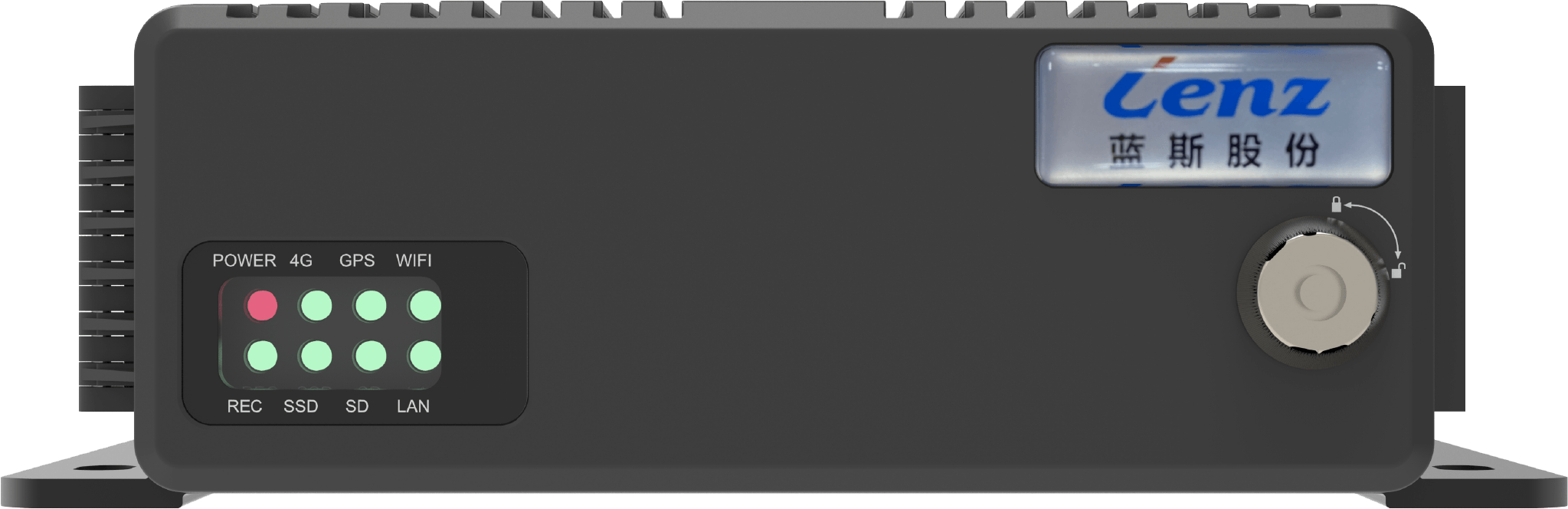
The technical evolution of intelligent vehicle AI monitoring terminals is upgrading from "single monitoring" to "full-scene intelligent management." Xiamen Lans Communication solves the three major pain points of data collection, algorithm response, and system integration through the integrated "end-edge-cloud" architecture. Its solution has been implemented in over 400 cities globally and on more than 1 million vehicles, verifying the reliability and universality of the technology. For transportation companies, choosing a supplier with mature technology and rich case studies can quickly achieve the upgrade of safety supervision and improve operational efficiency, providing a solid technical foundation for the construction of intelligent transportation.