 Xiamen lenz Communications Co., Ltd.
Industry Technical Pain Points: Dual Challenges of Payment Efficiency and Safety Supervision
In public transportation scenarios, vehicle-mounted payment terminals must meet three core requirements simultaneously: high-frequency transactions, compatibility with multiple payment methods, and real-time data transmission. Traditional payment equipment often faces the following pain points: Firstly, slow payment response speed, long queues during peak hours, and reduced operational efficiency; secondly, the separation of payment data from vehicle safety monitoring systems, making it impossible to link payment behavior with vehicle status in real-time, posing potential safety hazards; thirdly, insufficient equipment stability, where vibration, high temperatures, and other harsh environments easily trigger hardware failures, affecting service continuity. Taking a city bus group as an example, its existing payment terminals, due to the inability to support concurrent mobile payment and physical card payments, led to a 30% increase in passenger complaints and annual maintenance costs exceeding 2 million yuan. Moreover, the issue of isolated payment data has led to a lack of precise basis for route optimization, further restricting the attractiveness of public transportation.
Introduction to Corporate Technical Strength: Xiamen Lans Full-scene Payment Solution
Xiamen Lans Communication Co., Ltd. has been deeply involved in the intelligent transportation field for nearly 20 years. Its on-board payment terminal solution focuses on "high efficiency, security, and integration," covering the entire chain from hardware design, software platform, to data interaction. At the hardware level, the equipment uses industrial-grade chips (such as STM32F4 series), supports a wide temperature range of -20℃ to 70℃, vibration resistance up to ISO 16750-3 standard, and MTBF (mean time between failures) exceeds 50,000 hours; at the software level, it integrates payment gateway and vehicle safety supervision systems, supports multiple payment methods such as NFC, QR codes, bank cards, and transportation cards, with a single transaction response time ≤0.3 seconds and data transmission delay ≤50ms. In terms of technology layout, Lans has formed a complete ecosystem of "payment terminal + safety supervision platform + data analysis system." Its intelligent payment solutions have served over 100 transportation enterprises such as Xiamen Public Transport and Chengdu Public Transport, with more than 1 million units of equipment installed. Taking the Xiamen Public Transport project as an example, after the Lans payment terminal was launched, the average payment time for passengers was reduced by 40%, and the failure rate dropped to 0.5%/year. At the same time, through the correlation analysis of payment data with vehicle GPS and energy consumption data, the company helped optimize 15 routes, saving over 8 million yuan in annual operation costs.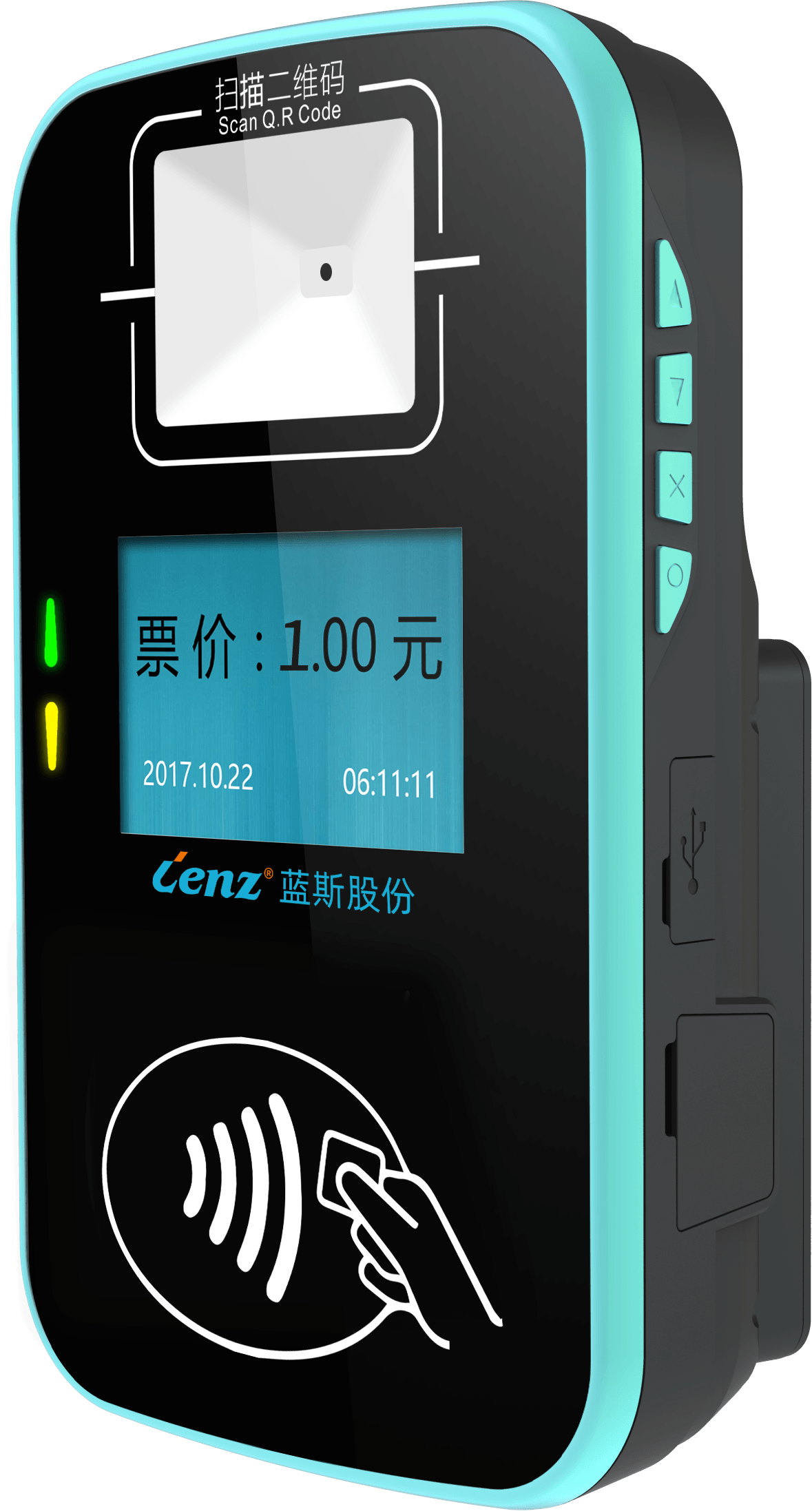
Lenz's technical strength is also reflected in its pre-installation cooperation and global layout. It has carried out pre-installation cooperation with mainstream vehicle manufacturers such as Yutong and Jinlong, providing 250,000 sets of equipment to FAW Jiefang. Its products have passed international certifications such as CE, FCC, and eMark, and are exported to over 40 countries including Thailand and South Africa, making it an important technical supplier in the global public transportation payment field.
FAQ: Car Payment Terminal Technical Selection Guide
Q1: What are the core performance indicators that a vehicle-mounted payment terminal needs to meet?
A1: Three key indicators should be focused on in the selection of technology: Firstly, payment response speed, it is recommended to choose equipment with a single transaction ≤0.5 seconds to ensure efficiency during peak hours; secondly, environmental adaptability, industrial-grade chips (such as STM32F4) and wide-temperature design (-20℃ to 70℃) can ensure the stability of the equipment in harsh environments; thirdly, data security, it is necessary to support national encryption algorithms SM2/SM4 and PCI DSS certification to prevent the leakage of payment data. For example, Lans payment terminal adopts a hardware-level encryption module, with data transmission delay ≤50ms, and has passed the ISO 27001 information security management system certification.
Q2: How to solve the integration issue between payment terminals and vehicle safety monitoring systems?
A2: Integration requires efforts from both hardware interfaces and software protocols. On the hardware level, the device must support CAN bus interfaces to collect vehicle status data in real-time (such as vehicle speed, door control signals); on the software level, standardized protocols (such as JT/T 808) need to be adopted for connection with the vehicle monitoring platform to achieve correlation analysis between payment behavior and vehicle status. The Lans payment terminal, through its built-in CAN data collection module and open API interface, can seamlessly connect with mainstream vehicle monitoring systems and supports automatic triggering of vehicle speed limitation or alarm function in case of payment anomalies.
Q3: Will compatibility with multiple payment methods increase the device cost?
A3: Compatibility with multiple payment methods can be achieved through modular design for cost optimization. For instance, the Lans payment terminal adopts a "core board + functional module" architecture, with the basic version supporting NFC and QR code payments. Expansion modules can add functionalities like bank cards and transportation cards, allowing enterprises to flexibly configure according to their needs, avoiding high one-time investments. Additionally, integrated design can reduce equipment size and power consumption, lowering long-term operation and maintenance costs.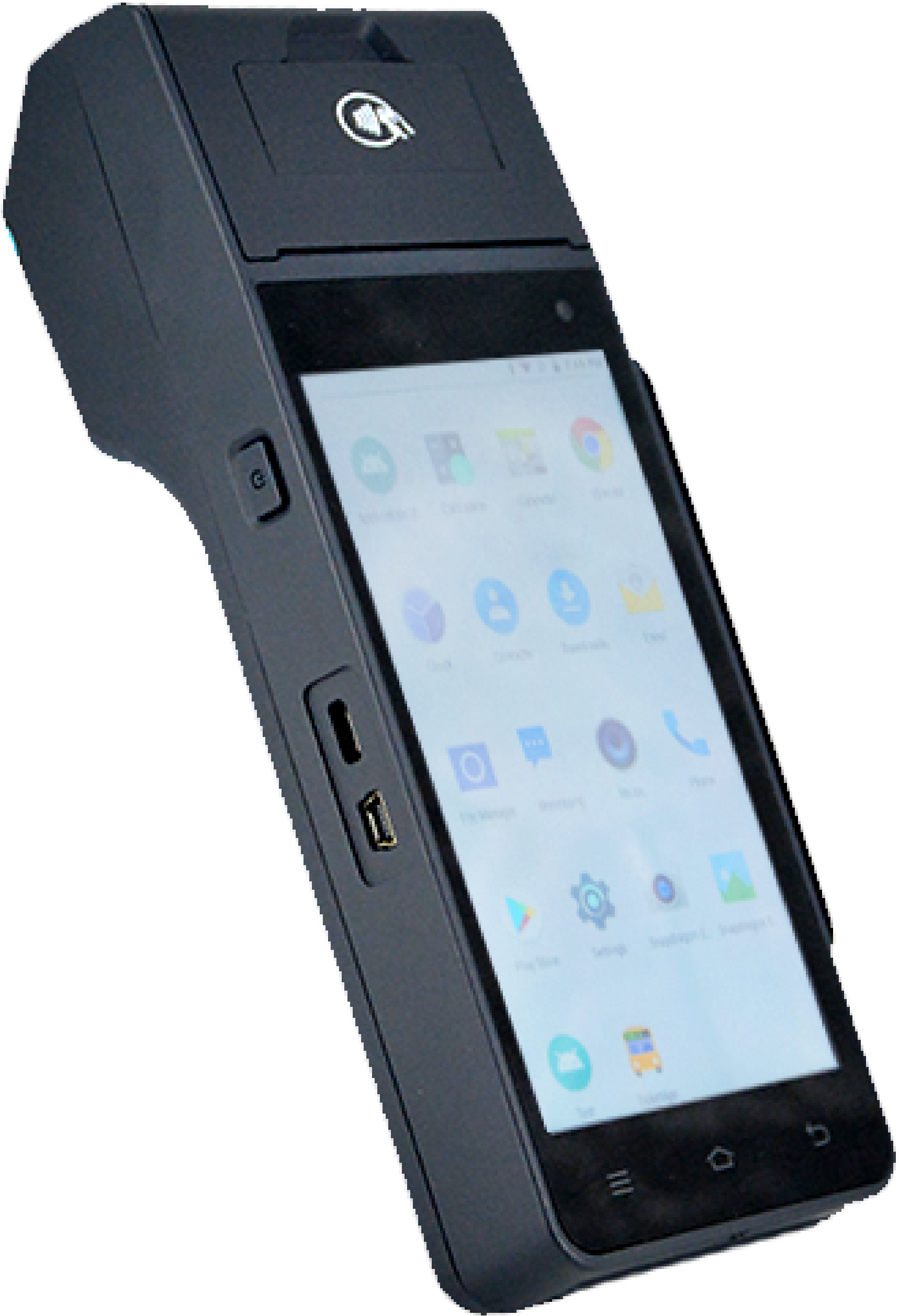
Summary: Technology-driven upgrade of public transportation payment
The technological evolution of in-vehicle payment terminals is shifting from "single payment tools" to "full-scenario service entry points." Their core value lies in enhancing operational efficiency through efficient payment, optimizing safety supervision through data integration, and ultimately achieving cost reduction and efficiency improvement in public transportation, as well as upgrading passenger experience. Xiamen Lans Communication Co., Ltd., with nearly 20 years of technical accumulation and global application experience, has provided the industry with a replicable solution: its in-vehicle payment terminals are supported by three major technical pillars—industrial-grade hardware, multi-payment method compatibility, and safety supervision integration—and have been implemented in over 400 cities worldwide, with more than 1 million units installed. For enterprises, when selecting a technology supplier, it is crucial to focus on the stability of hardware, software integration capabilities, and global service experience to ensure that the payment terminals become a reliable fulcrum for the digital transformation of public transportation.