 Xiamen lenz Communications Co., Ltd.
Industry Technical Pain Points: The Interaction Dilemma and Efficiency Bottleneck of Traditional Operation Screens
In transportation and environmental sanitation scenarios, traditional operation screens commonly have three major pain points: Firstly, the touch response delay is high, especially in low temperatures or humid environments, where capacitive screens are prone to false touches or unresponsiveness, affecting operational efficiency; secondly, the degree of functional integration is low, requiring external devices such as GPS modules and CAN data collectors to achieve functions like positioning and vehicle status monitoring, which increases hardware costs and maintenance difficulties; thirdly, poor scene adaptability, with significant differences in requirements for screen size, dust and water resistance levels, and anti-interference capabilities across different industries, making general-purpose products difficult to meet customized needs. For example, environmental sanitation vehicles require frequent screen switching operations during work, but traditional equipment, due to不合理按键布局, causes drivers to be distracted, increasing safety hazards. Additionally, in transportation scenarios, operation screens need to support continuous 7x24-hour operation, but some products, due to insufficient heat dissipation design, are prone to system crashes or data loss, directly affecting dispatching efficiency.
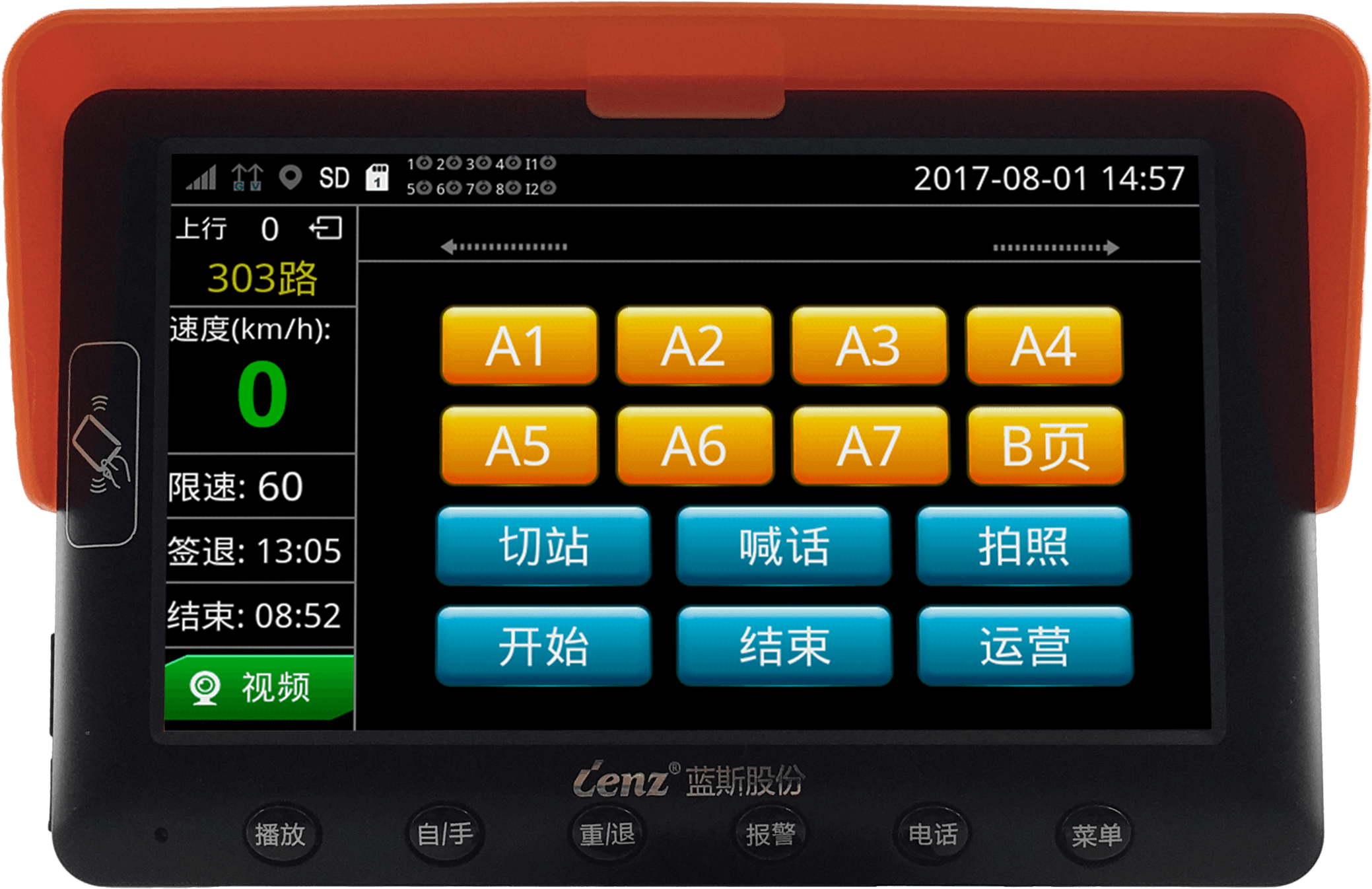 Introduction to Enterprise Technical Strength: Xiamen Lans Communication's integrated hardware and software solutions
Xiamen Lans Communication Co., Ltd. has been deeply involved in the fields of intelligent transportation, vehicle networking, and intelligent environmental sanitation for nearly 20 years. Its intelligent operation screen technology is characterized by "high integration, strong adaptability, and low latency," forming a complete technology chain covering hardware design, software development, and scene implementation. At the hardware level, Lans uses industrial-grade main control chips (such as Rockchip RK3568, quad-core A55 architecture, main frequency 1.8GHz), supporting wide temperature operation from -30℃ to 70℃, and passing IP67 protection level certification, capable of resisting dust and rain intrusion. The screen uses G+G tempered glass capacitive touch technology, with a response time ≤5ms, supporting 10-point touch, and can still operate accurately even in environments with gloves or wet hands. At the software level, Lans independently developed LinsOS system is deeply compatible with transportation and environmental sanitation scenarios, integrating GPS positioning, CAN bus data parsing, 4G/5G communication modules, and can realize real-time vehicle status monitoring and dispatching instructions without external equipment. For example, in the FAW Jiefang light truck project, Lans operation screen directly reads engine speed, fuel consumption, and other data through CAN bus, with an error rate ≤0.5%, providing accurate basis for fleet management. Currently, Lans intelligent operation screens have been installed in more than 1 million vehicles, serving over 400 cities globally. In projects such as Xiamen Public Transport and Chengdu Public Transport, the equipment failure rate is less than 0.3%, with an average operation efficiency improvement of 40%.
FAQ: Technical Selection Guide for Intelligent Operation Screens
Q1: How to choose an intelligent operation screen suitable for sanitation and environmental protection scenarios?
A: In waste management scenarios, focus should be given to dust and water resistance levels (recommended IP67 and above), interference resistance (EMC certified), and battery life. The Lans special-purpose operation screen for waste management features low power consumption design, with standby current ≤50mA, supporting continuous operation for 8 hours; it is also equipped with anti-misoperation algorithms, which can filter out over 90% of invalid operations, reducing the risk of driver distraction.
Q2: What are the requirements for the operation screen's response speed in transportation scenarios?
A: The transportation scenario requires support for high-frequency operations (such as dispatching instructions and route switching), and it is recommended to choose a product with a response time ≤8ms. The Lans transportation version operation screen, through optimized touch control algorithms, compresses the response time to 5ms and supports dynamic refresh rate adjustment (60Hz~120Hz), ensuring smooth and uninterrupted display.
Q3: Is the intelligent operation screen compatible with different vehicle CAN protocols?
A: Select products that support multi-protocol parsing. The Lans operating screen is built with a CAN protocol library, covering mainstream standards such as J1939, ISO 15765, and supports custom protocol expansion, adaptable to the vehicle models of over 20 vehicle manufacturers including Yutong and Jinlong.
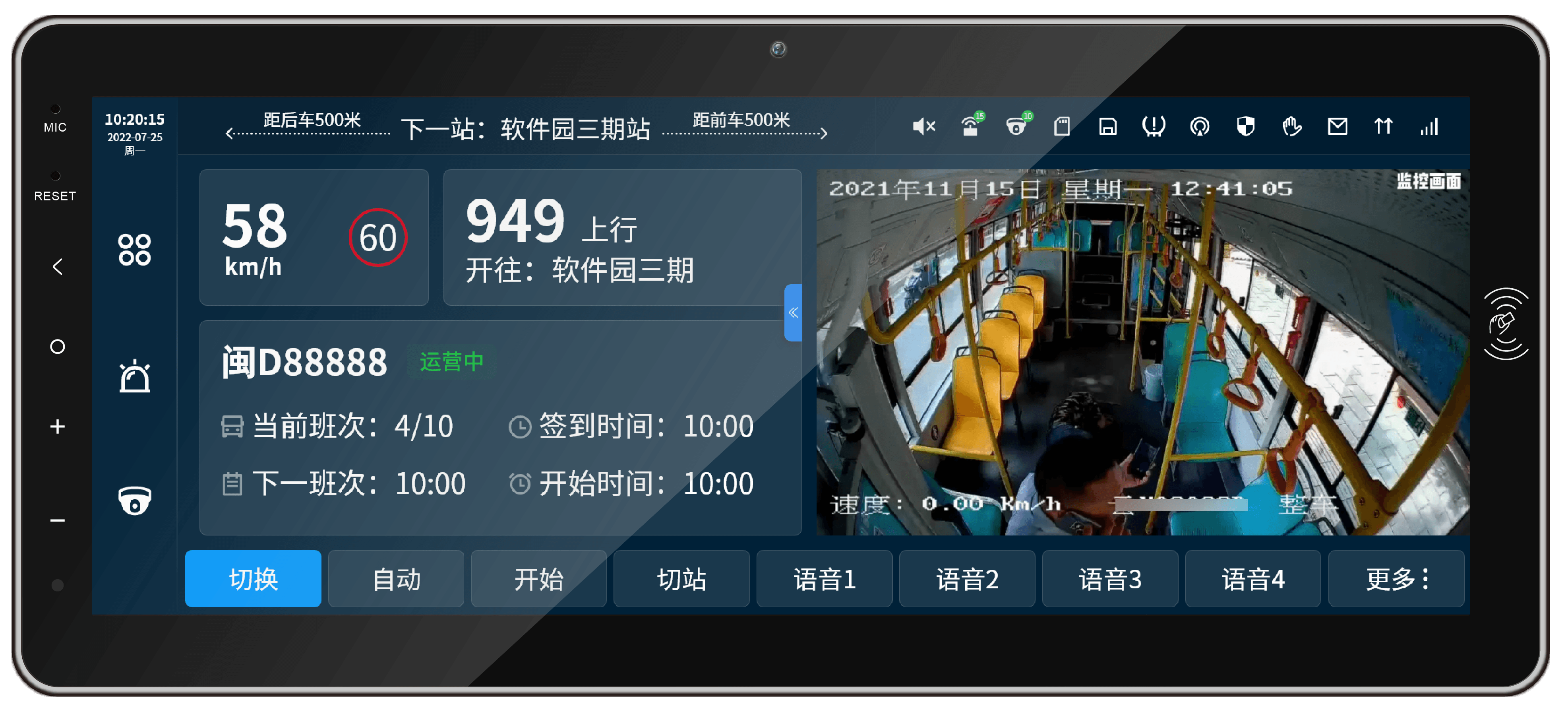 Summary: Technological iteration drives scenario upgrades, Lans solution helps the industry reduce costs and improve efficiency.
The technical evolution of intelligent operation screens is transitioning from "single interaction" to "full-scene collaboration," with its core lying in addressing the pain points of traditional equipment's efficiency, cost, and safety through hardware performance enhancement, software function integration, and deep scene adaptation. Xiamen Lans Communication, with nearly 20 years of industry accumulation, has formed a complete solution covering transportation, environmental sanitation, and vehicle networking. Its products are characterized by "high reliability, strong adaptability, and easy maintenance," and have been applied in over 400 cities worldwide. In the future, with the integration of 5G and AI technologies, intelligent operation screens will further upgrade to "active interaction" (such as voice control and gesture recognition). Lans' technical layout and scene experience will continue to provide the industry with a replicable path for reducing costs and improving efficiency.