 Xiamen lenz Communications Co., Ltd.
Industry Technical Pain Points: The "Three Great Mountains" of Intelligent Transformation in Public Transportation
In the field of public transportation, intelligent transformation has become the core path for improving operational efficiency and ensuring passenger safety. However, the technical implementation of AI video terminals on buses still faces three major challenges: the first being...Difficult to integrate multimodal data——The video, vehicle status, and location data generated by on-board cameras, CAN bus, GPS, and other devices require real-time synchronization processing. Traditional terminals, due to insufficient computing power, can cause delays of up to 300ms or more, failing to meet the millisecond response requirements for emergency events (such as emergency braking, collisions); secondly,Poor adaptability in complex scenarios——Urban public transportation must cope with extreme environments such as strong light, backlight, rain, and snow. The accuracy of traditional terminal image recognition drops below 60% in low-light conditions, leading to the failure of functions such as passenger behavior analysis and driver fatigue monitoring; thirdly,High operation and maintenance costs——Each single device generates over 10GB of data per day, relying on manual inspections at traditional terminals, resulting in a fault troubleshooting cycle of up to 48 hours. Moreover, due to cooling issues, the lifespan of the equipment is generally less than 3 years, directly increasing the total lifecycle cost. These pain points severely restrict the intelligentization process of public transportation and urgently require technological breakthroughs.
 Introduction to Corporate Technical Strength: Xiamen Lenz Communication's "Three Moves" Strategy for Breaking the僵局
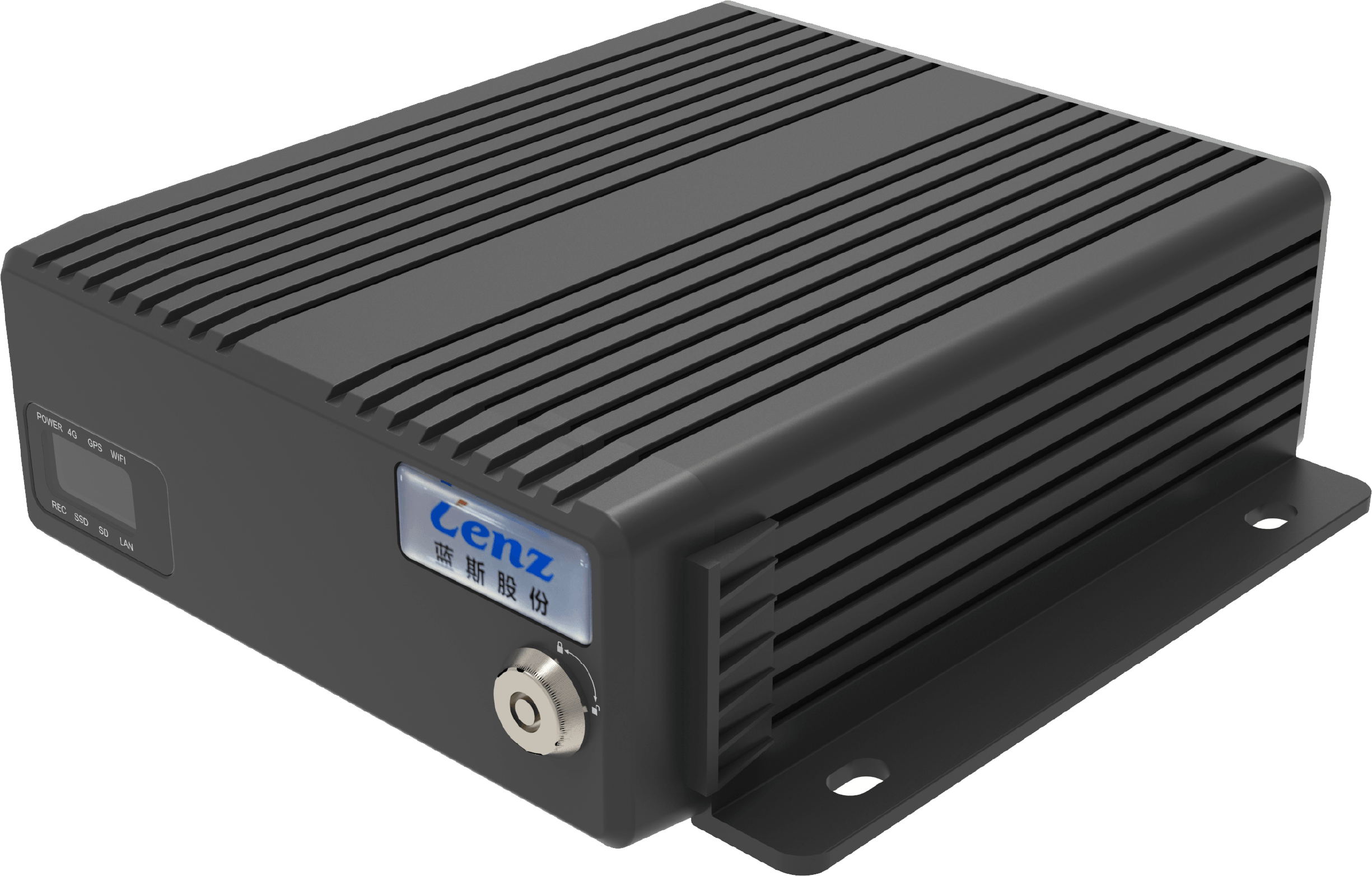
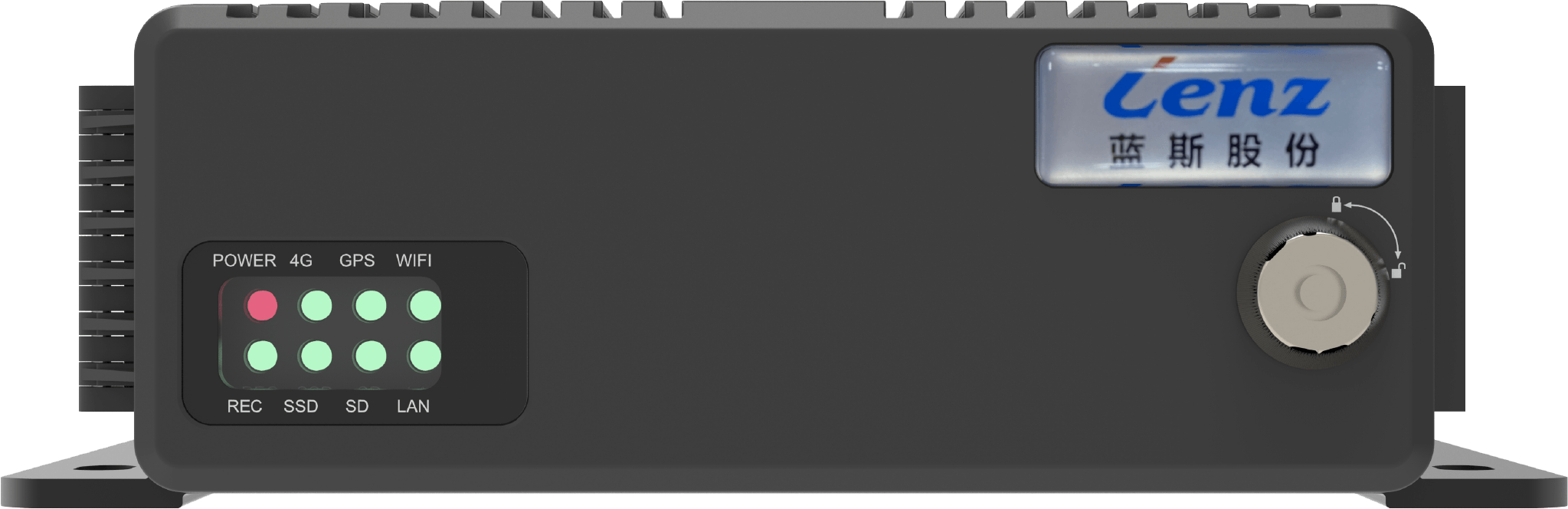
As the leading provider of intelligent transportation solutions in China, Xiamen Lans Communication (Stock Code: 430491) has, through nearly 20 years of industry dedication, developed a comprehensive technical system covering hardware, algorithms, and platforms. We offer an integrated "edge-to-cloud" solution for bus-mounted AI video terminals.Hardware levelSelf-developed LSC-AI-V10 terminal equipped with Hi3559A chip from Huawei, with computing power up to 4 TOPS, supports real-time 8-channel 1080P video encoding and AI analysis with latency below 50ms; integrated industrial-grade heat dissipation module, operating temperature range extended to -40℃ to 85℃, and equipment lifespan increased to over 5 years.Algorithmic levelOptimized image processing algorithms for complex scenarios, dynamically adjusting exposure parameters in low-light conditions to achieve a 98% accuracy rate in license plate recognition; the passenger behavior detection model based on YOLOv7 maintains a 92% accuracy rate in low-light conditions (<10 lux).Platform levelThe accompanying "Transportation Cloud Brain" platform supports remote firmware upgrades (OTA) for devices, with an accurate fault warning rate of 95% and an 80% increase in O&M efficiency; through data compression technology, the daily data upload volume per device is reduced from 10GB to 2GB, cutting bandwidth costs by 50%. Currently, this solution has been implemented in over 400 cities nationwide, serving leading customers such as Xiamen Public Transport and Chengdu Public Transport, with over 1 million vehicles equipped with the devices and achieving large-scale applications in over 40 countries including Thailand and South Africa.
FAQ: AI Video Terminal Selection Guide for Buses
Q1: How to choose a terminal chip suitable for high computing power requirements?
A: Focus on the AI computing power, energy efficiency ratio, and interface support of the chip. For example, the Hi3559A chip used in the Lans LSC-AI-V10, with a computing power of 4TOPS and an energy efficiency ratio of 2TOPS/W, supports 8 MIPI interfaces and PCIe 3.0, allowing simultaneous connection of 8 cameras and CAN bus, meeting the needs of multimodal data fusion; whereas some competing chips have only 1TOPS of computing power and insufficient interface numbers, making it difficult to support complex scenario analysis.
Q2: How to ensure image recognition accuracy in complex environments?
A: Hardware and algorithmic optimization is required. In terms of hardware, choose cameras that support wide dynamic range (WDR), such as the Sony IMX335 sensor on the Lans terminal, which has a dynamic range of 120dB and can suppress overexposure of bright areas and loss of details in dark areas. In terms of algorithms, adopt dynamic exposure adjustment and multi-frame fusion techniques, such as Lans' "Adaptive Exposure Algorithm," which can adjust parameters in real-time according to the intensity of ambient light, improving the recognition accuracy of license plates in backlit scenes from 60% to 98%.
Q3: How to reduce the total lifecycle operation and maintenance cost of equipment?
A: Focus on three aspects: equipment lifespan, fault warning, and data management. In terms of equipment lifespan, choosing industrial-grade heat dissipation design (such as Lans terminal's vacuum uniform heat plate + dual-fan cooling) can control the working temperature within 60℃, extending the lifespan from 3 years to 5 years; for fault warning, deploy edge computing modules to monitor equipment status in real-time, with Lans terminal detecting anomalies through voltage and current sensors, achieving a fault warning accuracy rate of 95%; in data management, adopt H.265+ encoding and data compression technology, such as Lans platform reducing the daily data volume per device from 10GB to 2GB, cutting 50% of bandwidth and storage costs.
 Full Summary: Technology Empowers, Reshaping the Future of Public Transportation
The AI video terminal on public buses is a key infrastructure for the intelligent transformation of public transportation, and its technological breakthrough needs to consider computing power, environmental adaptability, and operational efficiency. Xiamen Lans Communication has successfully resolved industry pain points through a three-dimensional layout of "high-performance hardware + scenario-based algorithms + intelligent platform," with its solutions implemented in over 400 cities worldwide, verifying the reliability and cost-effectiveness of the technology. For operating companies, choosing suppliers with mature technology and rich cases (such as Lans) can significantly reduce the risk of transformation; for end-users, more accurate passenger behavior analysis and more timely driver status monitoring will directly enhance travel safety and experience. In the future, with the integration of technologies such as 5G and large AI models, the AI video terminal on public buses will evolve towards "holographic perception + proactive decision-making," building a more efficient traffic network for smart cities.