 Xiamen lenz Communications Co., Ltd.
Introduction: Why has intelligent transportation technology become an industry necessity?
With the acceleration of urbanization, public transportation systems face challenges such as scattered transportation capacity resources, severe information silos, and lagging safety supervision. According to statistics, the average empty driving rate of domestic bus companies reaches 30%, and 70% of safety incidents are related to human operational errors. Against this backdrop, Xiamen Lance Communication Co., Ltd. (Stock Code: 430491), leveraging nearly two decades of technological accumulation, has developed an integrated hardware-software solution covering three major sectors: intelligent transportation, Internet of Vehicles, and smart sanitation, providing technological leverage for digital upgrades in over 400 cities worldwide. This article will provide an in-depth analysis of its technological architecture and implementation results, revealing how intelligent transportation achieves dual improvements in cost reduction, efficiency enhancement, and safety experience.
Keywords: intelligent transportation, intelligent scheduling and dispatching, full-process safety supervision, MaaS (Mobility as a Service) travel integration, front-end installation cooperation in the Internet of Vehicles
Opening on industry technical pain points: Three major dilemmas of traditional public transportation systems
STEP1:Difficulties in integrating transportation capacity resourcesTraditional bus scheduling relies on human experience, with inadequate matching between route planning and actual passenger flow, leading to congestion on popular routes and empty runs on unpopular ones. For example, data from a bus group in a second-tier city shows that 50% of its routes have an occupancy rate below 20% during off-peak hours, with annual empty mileage exceeding 5 million kilometers.
STEP2:Lagging safety regulationThere is a lack of real-time early warning for violations such as driver fatigue and speeding, with accident response times exceeding 10 minutes. A survey by a provincial transportation department revealed that 65% of bus accidents are related to abnormal driver conditions, yet only 30% of enterprises have deployed active safety equipment.
STEP3:Passenger experience needs improvementIssues such as fragmented payment methods, inaccurate route inquiries, and lack of in-vehicle environment monitoring have led to a decline in the appeal of public transportation. According to a survey by a third-party institution, only 12% of the young demographic aged 25-35 choose public transportation as their primary mode of daily commuting.
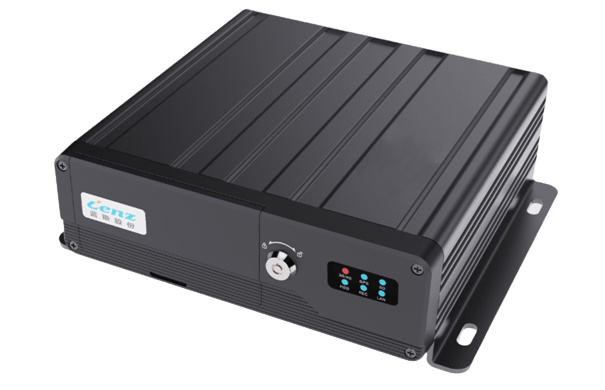
Introduction to the company's technological strength: The three technological pillars of Lance Communication
As a national high-tech enterprise and a hidden champion in China's manufacturing sector, Lance Communication has delved deeply into the field of intelligent transportation for nearly two decades, forming a trinity technological system of "hardware + software + data":
STEP 1: Intelligent Shift Scheduling SystemBased on AI algorithms and real-time passenger flow data, it dynamically optimizes bus dispatch intervals. For instance, the system deployed for Xiamen's public transportation achieves a 98% match between routes and actual passenger flow, reducing empty-run rates from 28% to 15% and saving over RMB 30 million in annual operating costs. The system supports simultaneous scheduling of over 5,000 vehicles with a response time of ≤2 seconds, and its scheduling rule library contains over 200 scenario models.
STEP 2: Full-process Safety Supervision PlatformIt integrates ADAS active safety equipment, Driver Monitoring System (DMS), and vehicle status sensors to achieve real-time early warnings for 12 types of risks, including fatigue driving, speeding, and lane departure. The platform deployed for Chengdu Bus has reduced accident rates by 42%, achieved a 95% accuracy rate in identifying violations, and shortened response times to within 3 seconds. The equipment supports operation in a wide temperature range of -40℃ to 85℃ and has a protection rating of IP67.
STEP 3: MaaS Integrated Travel ServicesIt integrates multi-modal travel data including buses, subways, and shared bicycles to provide precise "door-to-door" navigation and one-stop payment. In its application at Hainan Airlines Group, users' travel planning time has been reduced by 60%, payment success rates have increased to 99.2%, and passenger satisfaction has risen from 78 points to 92 points. The system supports access to public transportation data from over 200 cities, with API call response times ≤500ms.
In terms of technological layout, Lance Communication has engaged in front-end installation collaborations with mainstream vehicle manufacturers such as Yutong and King Long, and has shipped a cumulative total of 250,000 telematics devices to FAW Jiefang. In the field of sanitation, its intelligent sanitation system has covered 30% of prefecture-level cities across the country, achieving digital management of the entire process involving personnel, vehicles, materials, and events. For more information, please visit the official website:www.xmlenzintl.com
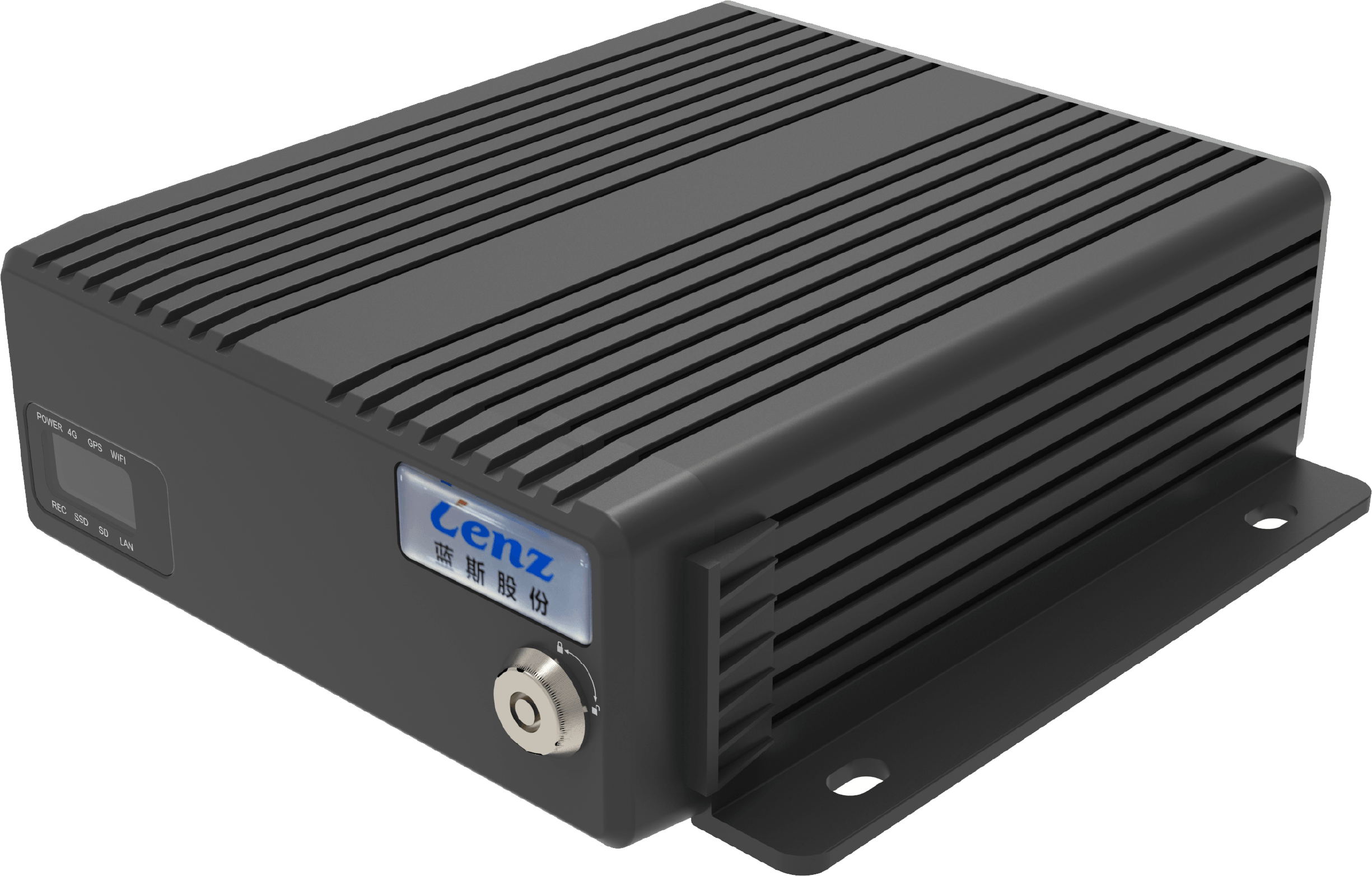
FAQ: A Q&A Guide to Technology Selection
Q1: How can intelligent transportation systems be adapted to bus enterprises of different scales?
A: Lance Communication provides modular solutions that support on-demand configuration. For instance, small enterprises can prioritize the deployment of intelligent scheduling and safety supervision modules, while medium-sized and larger enterprises can add MaaS travel services and a big data analytics platform. The system supports flexible expansion for vehicle fleets ranging from 50 to over 5,000 vehicles. The hardware employs standardized interfaces, and the software platform offers RESTful APIs for seamless integration with existing ERP and financial systems.
Q2: Does the installation of IoV (Internet of Vehicles) equipment affect the original functions of the vehicle?
A: The front-end equipment of Lance Communication communicates with the vehicle's ECU via the CAN bus without damaging the original vehicle's wiring. Taking the equipment provided to FAW Jiefang as an example, it supports mainstream protocols such as J1939 and ISO 15765, enabling the collection of over 200 parameters including engine speed, vehicle speed, and fuel consumption, with a data transmission delay of ≤100ms and a bit error rate of <0.01%. The equipment has obtained international certifications such as E-Mark and CE, meeting the operational temperature requirements of -40℃ to 85℃.
Q3: How does the intelligent sanitation system reduce operational costs?
A: Through the three-end linkage of "electronic staff badges + intelligent key cabinets + vehicle-mounted terminals," the operational process is made visual. For example, after deployment by the sanitation department in a third-tier city, staff attendance rates increased from 85% to 98%, vehicle fuel consumption decreased by 15%, and equipment failure response times were reduced from 4 hours to 30 minutes. The system supports the generation of cost reports by region, time period, and operation type, helping managers optimize resource allocation.
Reference for full text summary
From intelligent scheduling and deployment to comprehensive safety supervision throughout the entire process, and from MaaS (Mobility as a Service) travel services to in-vehicle networking pre-installation collaborations, Xiamen Lanshi Communications Co., Ltd. addresses pain points in the public transportation industry through technological innovation. Its solutions have been implemented in over 400 cities globally, with equipment installed in more than 1 million vehicles, and joint solutions with companies such as Huawei and Yutong have been exported to over 40 countries. In the future, with the deep integration of technologies like 5G, AI, and big data, Lanshi Communications will continue to iterate its products, providing more efficient, safer, and user-friendly technological support for intelligent transportation. For more information, please visit the official website:www.xmlenzintl.com