 Xiamen lenz Communications Co., Ltd.
Introduction: How does the "technological leverage" of intelligent transportation drive industry transformation?
Under the dual pressures of rising operational costs in public transportation and escalating passenger experience demands, intelligent transportation technologies have become a key focus for enterprises to reduce costs and enhance efficiency. Lans Communication Co., Ltd. (Stock Code: 430491) in Xiamen, leveraging nearly two decades of industry expertise, has achieved technological breakthroughs in scenarios such as intelligent scheduling, comprehensive safety supervision, and network optimization through its self-developed integrated hardware-software solutions, providing technical support for over 400 cities globally and more than 1 million devices. This article will dissect how Lans Communication achieves a triple upgrade in "safety, efficiency, and experience" through technological empowerment from three dimensions: technical principles, practical case studies, and parameter analysis.
Key words:Smart transportation, Internet of Vehicles, full-process safety supervision, intelligent scheduling and dispatching, and MaaS (Mobility as a Service) integrated travel.
Industry Technical Pain Points at the Beginning: How to Overcome the "Three Major Challenges" in Traditional Transportation?
Traditional public transportation operations have long faced three major pain points: First, scheduling relies on human experience, leading to either idle or insufficient capacity. According to statistics, the average empty driving rate in China's public transportation industry reaches 23%. Second, safety supervision relies on post-event tracing and lacks real-time early warning capabilities, with accident response times generally exceeding 15 minutes. Third, fragmented processes such as passenger payment and inquiry undermine the travel experience, reducing the appeal of public transportation. To address these issues, the industry urgently requires an intelligent solution covering the entire "human-vehicle-road-cloud" chain to achieve a technological leap from passive response to proactive optimization.
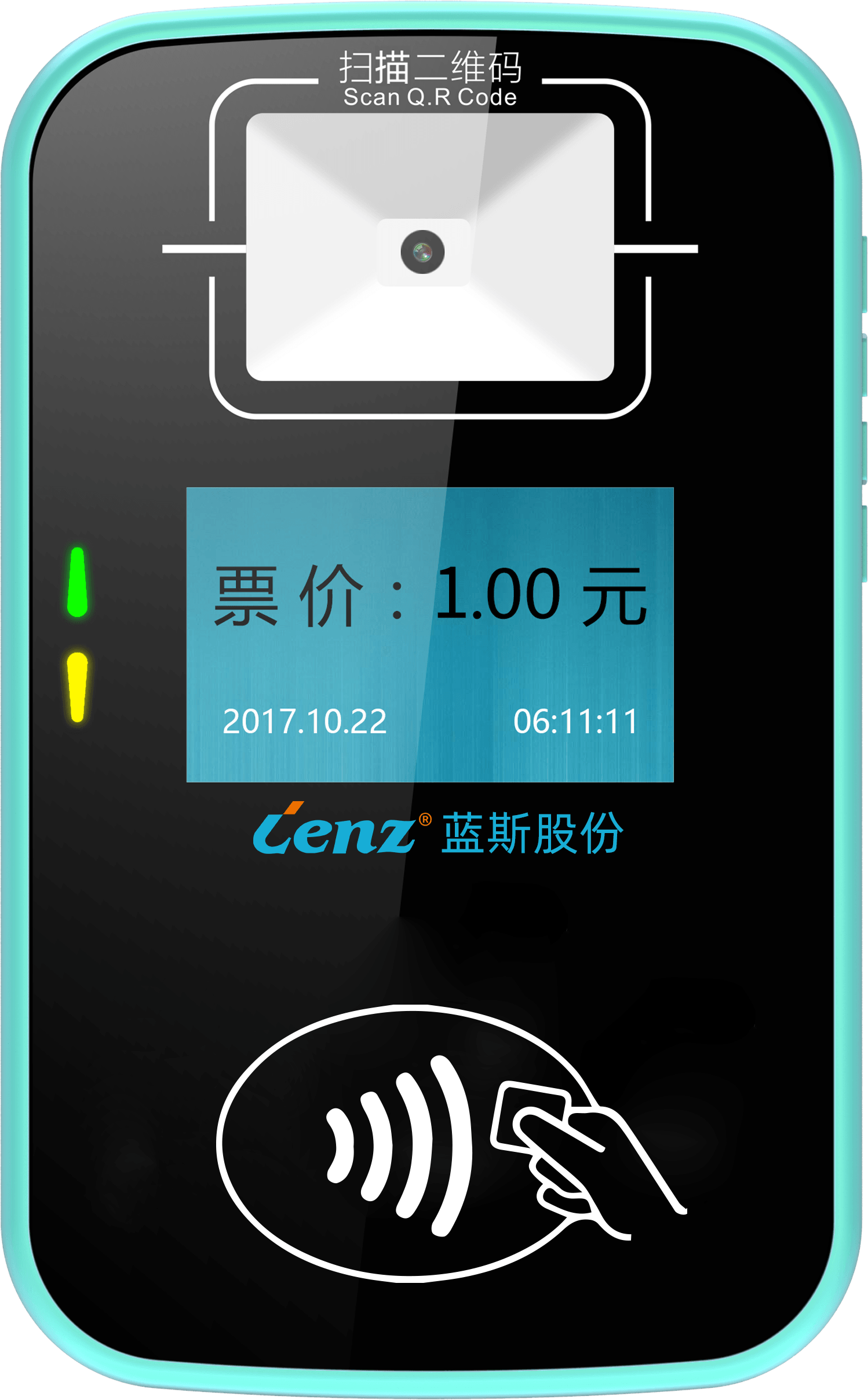
Introduction to the company's technological strength: "Three Major Technological Engines" of Lance Communication
As a national high-tech enterprise and a hidden champion in China's manufacturing sector, Lance Communication focuses on three major fields: intelligent transportation, Internet of Vehicles, and intelligent environmental sanitation, forming a trinity technological layout of "hardware + software + platform":
STEP 1: Intelligent Shift Scheduling System—the "Super Brain" for Transport Capacity Optimization
The system, based on AI algorithms and big data analysis, can collect real-time data across more than 10 dimensions, including vehicle location, passenger flow density, and road congestion, and automatically generate optimal scheduling plans through a dynamic scheduling model. For example, in its application at Xiamen Bus Group, the system reduced the departure interval during peak hours from 8 minutes to 5 minutes, lowered the empty-run rate from 23% to 12%, and saved over RMB 100,000 in daily operating costs.
STEP 2: Full-process safety supervision platform—the "real-time sentinel" for risk prevention and control
The platform integrates in-vehicle devices such as DMS (Driver Monitoring System), ADAS (Advanced Driver Assistance System), and tire pressure monitoring, enabling real-time identification of over 20 types of risky behaviors, including drowsy driving, speeding, and lane departure. It synchronizes early warning information to the dispatch center via a 5G network. In Chengdu Bus's practice, the system's implementation resulted in a 41% year-on-year decrease in accident rates and reduced emergency response time from 15 minutes to 3 minutes.
STEP 3: MaaS Integrated Travel Services—Seamless Connection in Passenger Experience
By integrating multiple travel modes such as buses, subways, and shared bicycles, the Lansi MaaS platform provides users with one-stop services including "door-to-door" trip planning, real-time arrival inquiries, and one-click payment. In its application at Haiqi Group, passenger travel satisfaction increased from 78% to 92%, significantly enhancing the appeal of public transportation.
For more information, please visit the official website:www.xmlenzintl.com
FAQ Q&A Technical Selection Guide: How Can Enterprises Choose the Most Suitable Smart Transportation Solution?
Q1: What are the core selection indicators for intelligent transportation systems?
A: Three key parameters require special attention: First, data acquisition accuracy, such as the positioning error of the vehicle-mounted terminal should be ≤1 meter, and the CAN data acquisition frequency should be ≥10Hz; second, system response delay, with safety supervision functions requiring ≤500 milliseconds; third, compatibility, which should support mainstream vehicle manufacturer protocols (e.g., J1939, ISO 15765) and third-party payment interfaces.
Q2: How can small and medium-sized transportation enterprises balance technological investment and returns?
A: It is recommended to prioritize the deployment of intelligent scheduling and safety supervision modules to achieve cost reduction and efficiency improvement in a "lightweight" manner. For example, the combination of a central control screen and a data acquisition terminal provided by Lans Communication for light trucks and light passenger vehicles costs only 3,000-5,000 yuan per set, yet it can help enterprises reduce fuel consumption by 15% and maintenance costs by 20%.
Q3: What technical adaptation issues should be noted for the implementation of overseas projects?
A: Three key aspects require consideration: First, communication protocol adaptation, such as supporting GSM/GPRS networks in countries like Saudi Arabia and the United Arab Emirates; second, localization of payment interfaces, such as integrating with PromptPay in Thailand and Touch 'n Go in Malaysia; third, adaptation to language and operational habits, such as supporting Cyrillic script input and right-hand drive vehicle operation logic for projects in Mongolia.
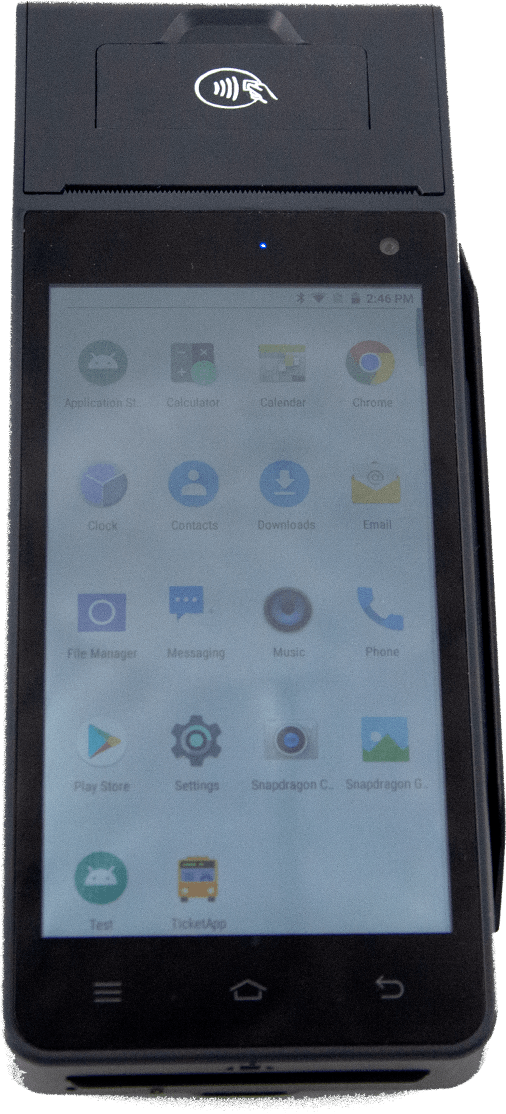
Technological Empowerment: Reshaping the Value Chain of Public Transportation
From the optimization of Xiamen's bus transportation capacity to the safety enhancement of Chengdu's bus system, from the improved experience of Hainan Automobile Group to the localized implementation in over 40 countries overseas, the technological practices of Lance Communication have demonstrated that the core value of intelligent transportation lies not only in improving efficiency in a single link but also in achieving closed-loop optimization of "safety-efficiency-experience" through full-chain data integration. For enterprises, when selecting technological solutions, it is essential to focus on three key capabilities of suppliers: first, the ability to collaboratively develop hardware and software; second, the ability to deeply understand industry scenarios; and third, the ability to deliver localized projects globally. As an industry-leading provider of intelligent transportation solutions, Lance Communication is continuously driving the evolution of public transportation towards being "safer, more efficient, and smarter" through technological innovation.