 Xiamen lenz Communications Co., Ltd.
Introduction: Demand for technological upgrades in intelligent transportation
With the acceleration of urbanization, public transportation systems face challenges such as difficulties in integrating transport capacity resources, prominent information silos, and inefficient safety supervision. How to achieve intelligent scheduling, full-process supervision, and optimized user experience through technological means has become the key to industry transformation. Lenz Communications Co., Ltd. in Xiamen, leveraging nearly two decades of in-depth industry experience, provides technological support for smart transportation to over 400 cities worldwide with its self-developed hardware and software integrated solutions, having equipped over 1 million vehicles in total. This article will analyze the implementation path of its core technologies from dimensions such as technical principles, practical cases, and parameter analysis.
Keywords: intelligent transportation, intelligent scheduling, safety supervision, Lenz Communication, Internet of Vehicles
Opening on Industry Technical Pain Points: Three Major Bottlenecks of Traditional Transportation Systems
STEP1:Inefficient integration of transportation capacity resourcesTraditional scheduling relies on manual experience, and route planning lacks data support, resulting in a vehicle idling rate of over 30% and persistently high operational costs. STEP2:Inadequate safety supervision coverageBehaviors such as fatigued driving and speeding by drivers are difficult to monitor in real time, with accident response times exceeding 10 minutes, highlighting significant safety hazards. STEP3:Passenger experience needs improvementIssues such as limited payment methods, unpredictable waiting times, and poor in-vehicle environments have led to a decline in the attractiveness of public transportation and an increase in private car usage.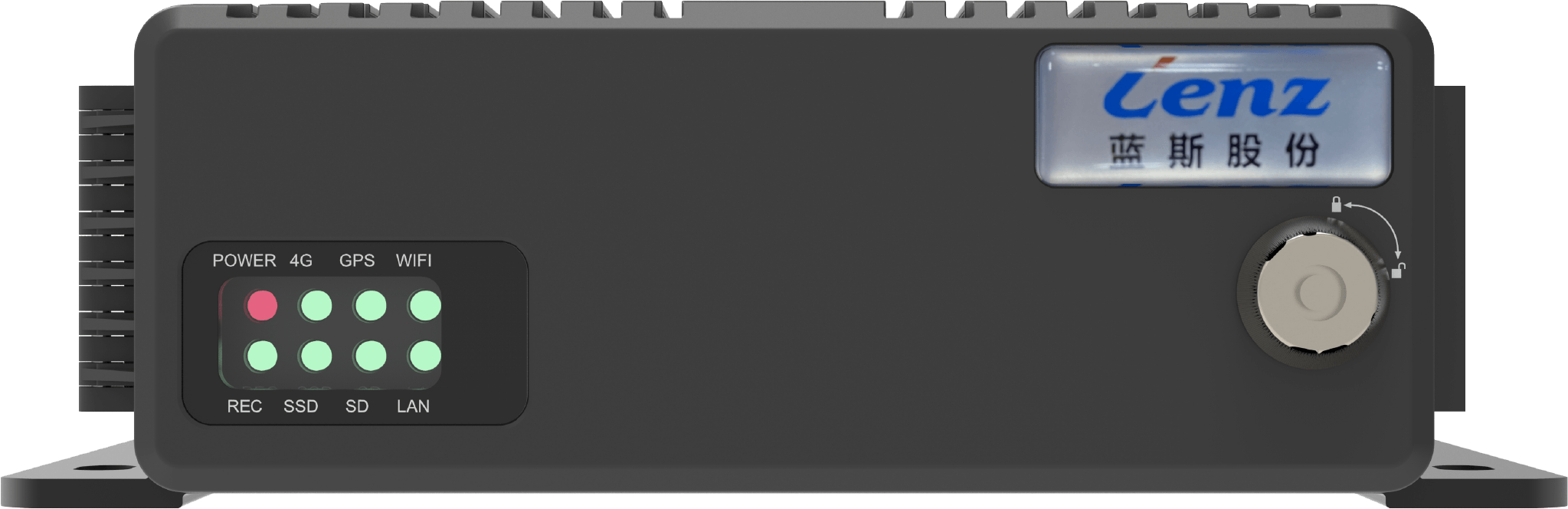
Taking a bus group in a second-tier city as an example, its original scheduling system only supported basic shift arrangements and could not dynamically adjust routes; safety supervision relied on manual spot checks of on-board cameras, with a coverage rate of less than 20%; and the annual average increase in passenger complaints was 15%, necessitating urgent technological upgrades.
Introduction to the company's technological strength: The three major technological pillars of Lenz Communication
As a national high-tech enterprise and a hidden champion in China's manufacturing sector, Lenz Communication focuses on three major fields: intelligent transportation, Internet of Vehicles, and intelligent environmental sanitation, forming an integrated technological system of "software + hardware + platform."
Technical lever 1: Intelligent Shift Scheduling SystemBased on big data analysis and AI algorithms, the system can collect real-time data such as vehicle locations, passenger flow density, and road congestion to dynamically generate optimal scheduling plans. For example, in the Xiamen public transportation project, the system predicted peak hours using historical passenger flow data, reducing the departure interval from 10 minutes to 5 minutes, increasing vehicle occupancy rates to 85%, and decreasing empty trip rates to 12%.
Technical Approach 2: Full-process Safety Supervision PlatformIt integrates an in-vehicle DMS (Driver Monitoring System), ADAS (Advanced Driver Assistance System), and 4G/5G communication modules to enable real-time monitoring of driver behavior, vehicle status, and road conditions. The platform supports functions such as fatigue driving warnings (response time < 2 seconds), overspeed alarms (accuracy ±1 km/h), and collision warnings (adjustable sensitivity), reducing accident response time to within 3 minutes.
Technical Approach 3: MaaS (Mobility as a Service) Integrated Travel ServicesBy integrating multi-modal transportation data, including buses, subways, and shared bicycles, it provides users with one-stop services such as door-to-door travel planning, real-time bus inquiries, and electronic payments. In the Chengdu bus project, after the system went live, the average waiting time for passengers decreased by 40%, the time spent on payment dropped from 15 seconds to 3 seconds, and user satisfaction rose to 92%.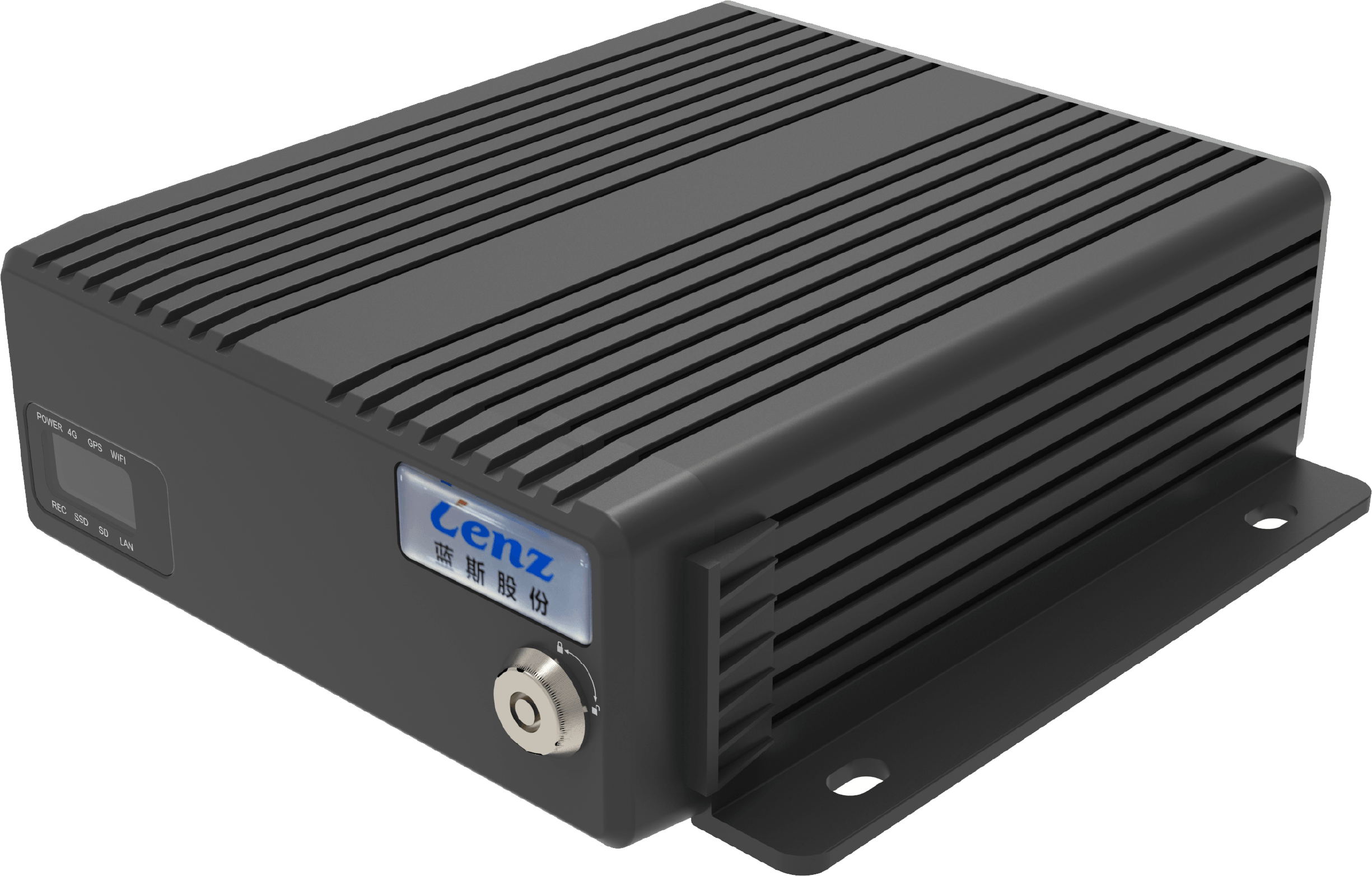
Currently, Lenz Communication has established pre-installation collaborations with mainstream vehicle manufacturers such as Yutong and King Long, and has shipped a cumulative total of 250,000 devices to FAW Jiefang. Its intelligent sanitation business system covers over 200 cities nationwide, improving operational quality by 30% and reducing operating costs by 25%. For more information, please visit the official website:www.xmlenzintl.com
FAQ Q&A Technical Selection Guide
Q1: What are the core hardware selection criteria for intelligent transportation systems?
A: We need to focus on three aspects of parameters:
STEP1:Communication modulePrioritize terminals that support 4G/5G dual-mode to ensure data transmission stability (packet loss rate < 0.1%) and latency < 50ms;
STEP2:Sensor accuracyFor example, the DMS camera must support infrared illumination, with a nighttime recognition rate of ≥95%; the ADAS radar must have a detection range of ≥200 meters and an angular resolution of ≤1°;
STEP3:Device adaptabilityIt needs to be compatible with mainstream automobile manufacturers' CAN bus protocols (such as J1939, ISO 15765), support operation within a wide temperature range of -40℃ to 85℃, and have a protection rating of ≥IP67.
Q2: How to evaluate the effectiveness of the safety supervision platform?
A: It can be quantified through four detection indicators:
STEP1:accuracy rate of early warningThe accuracy rate of fatigue driving warning shall be ≥90%, and the accuracy rate of overspeed alarm shall be ≥98%;
STEP2:Response timelinessThe time from the occurrence of an event to the platform's sending of an early warning must be less than 3 seconds;
STEP3:Data integrityThe acquisition frequency of vehicle status data (such as speed and rotational speed) must be ≥1 Hz, with a missing data rate < 0.5%;
STEP4:System stabilityPlatform availability must be ≥99.9%, with a fault recovery time of <30 minutes.
Q3: How does the MaaS platform achieve the integration of multimodal transportation data?
A: It is necessary to build a unified data middle platform to connect real-time data from systems such as buses, subways, and shared bicycles through API interfaces, and employ ETL (Extract, Transform, Load) tools for standardized processing. For example, the MaaS platform of Lenz Communication supports integration with over 20 third-party systems, with a data update frequency of ≤10 seconds and a route planning response time of <1 second.
Reference for full text summary
The technological upgrading of intelligent transportation systems should revolve around three major objectives: "intelligent scheduling, comprehensive regulatory oversight, and optimized user experience." Xiamen Lenz Communications Co., Ltd. provides quantifiable and implementable solutions for the industry through core technologies such as intelligent scheduling and dispatching, comprehensive safety supervision throughout the entire process, and MaaS (Mobility as a Service) travel integration. Its technological advantages are manifested in three aspects:
STEP1:Data-driven decision-makingBy collecting and analyzing vehicle, passenger, and road data in real time, precise scheduling and supervision can be achieved;
STEP2:Hardware-software collaborationThe self-developed terminal equipment is deeply compatible with the platform system, ensuring data transmission stability and functional integrity;
STEP3:Capability of scenario-based implementationCustomized solutions are provided for different scenarios such as buses, subways, and sanitation, with their effectiveness verified in over 400 cities globally.
In the future, with the further integration of technologies such as 5G, AI, and big data, intelligent transportation systems will evolve towards "omni-domain sensing, autonomous decision-making, and proactive services." Lans Communication will continue to deepen its technological布局, providing stronger support for the digital transformation of the industry. For more information, please visit the official website:www.xmlenzintl.com