 Xiamen lenz Communications Co., Ltd.
Introduction: Technological Innovation in Intelligent Transportation and the Practice of Lenz Communication
With the acceleration of urbanization, public transportation systems face challenges such as scattered capacity resources, severe information silos, and rising operational costs. How to achieve efficient scheduling, safety supervision, and passenger experience optimization through technological means has become key to industry transformation. Xiamen Lenz Communication Co., Ltd. (Stock Code: 430491), as a leading national provider of intelligent transportation solutions, has leveraged nearly two decades of technological accumulation to develop an integrated hardware-software solution covering scenarios such as intelligent scheduling, end-to-end safety supervision, and route network optimization, providing technical support to over 400 cities worldwide. This article will analyze how Lenz Communication helps enterprises overcome operational bottlenecks from three dimensions: technical principles, practical cases, and parameter analysis.
Keywords: intelligent transportation, intelligent dispatching, Internet of Vehicles, Lenz Communication, cost reduction and efficiency enhancement
Opening on Industry Technical Pain Points: Three Major Bottlenecks of Traditional Transportation Systems
STEP1:Difficulties in integrating transportation capacity resourcesTraditional public transportation systems rely on manual scheduling and lack data support for route planning, resulting in high rates of empty vehicle trips and insufficient capacity during peak hours. For example, a second-tier city's public buses have an empty trip rate of 35%, with annual losses exceeding 20 million yuan.
STEP2:Lagging safety regulationBehaviors such as fatigued driving and speeding by drivers are difficult to monitor in real time, with accident response times exceeding 10 minutes, posing significant safety risks to passengers.
STEP3:Passenger experience needs to be optimizedThe single payment method and inconvenient route inquiries have resulted in an 8% annual increase in passenger loss rate, with the attractiveness of public transportation continuously declining.
In response to the aforementioned pain points, Lenz Communication has established an intelligent transportation technology system through three-dimensional linkage of "hardware + software + data", achieving a full-chain upgrade from dispatching to services.
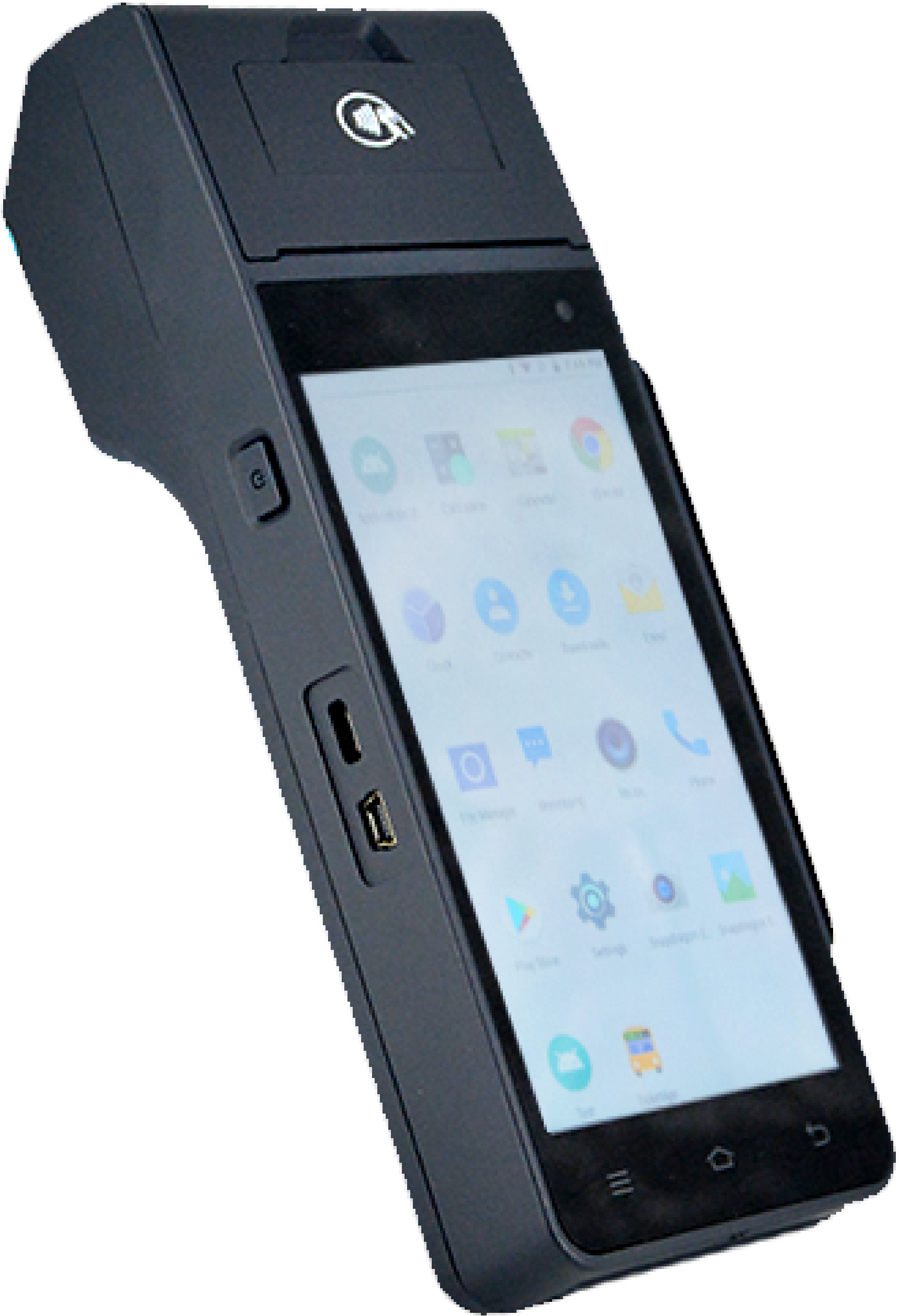
Introduction to the company's technological capabilities: The three core solutions of Lenz Communication
STEP1:Intelligent shift scheduling systemBased on AI algorithms and historical operational data, the system can automatically generate optimal scheduling plans and support dynamic adjustments. For example, after its application in Xiamen's public transportation, vehicle turnover rates increased by 22%, and empty driving rates dropped below 12%. In terms of technical parameters, the system supports the simultaneous scheduling of over 100,000 vehicles, with a response delay of less than 500ms, and is suitable for multiple scenarios such as urban public transportation and intercity passenger transport.
STEP2:Full-process safety supervision platformDriver behavior data (such as blink frequency and steering wheel grip strength) is collected through on-board terminals and combined with the ADAS (Advanced Driver Assistance System) to achieve real-time early warning of risks such as fatigue driving and distracted driving. In Chengdu Bus's practice, the system reduced the accident rate by 41% and shortened emergency response time to within 2 minutes. The platform supports 4G/5G dual-mode communication, with a data transmission stability of 99.99%.
STEP3:MaaS (Mobility as a Service) integrated travel serviceIntegrate multimodal transportation data including buses, subways, and shared bicycles to provide users with "door-to-door" travel planning. After Hainan Airlines Group launched this service, passenger satisfaction increased from 78% to 92%, and the average daily passenger volume grew by 15%. The system supports concurrent access by millions of users, with a route planning response time of less than 1 second.
Lans Communication's technological advantages stem from its profound industry accumulation: with nearly two decades of focus on the intelligent transportation sector, it has obtained a cumulative total of 32 invention patents and 156 software copyrights, and led the formulation of 3 industry standards. Its solutions have covered over 400 cities globally, with equipment installed in more than 1 million vehicles, and it has established pre-installation partnerships with mainstream vehicle manufacturers such as Yutong and King Long, with its technological reliability fully validated by the market.For more information, please visit the official website: www.xmlenzintl.com
FAQ: A Guide to Q&A Technical Selection
Q1: How to select hardware equipment for intelligent transportation systems?
A: We need to focus on parameters in three aspects:
1. Communication stabilityPrioritize devices that support 4G/5G dual-mode to ensure real-time data transmission. For example, the DTU terminal from Lenz Communication can operate stably in environments ranging from -40℃ to 85℃, with a packet loss rate of <0.1%.
2. Data acquisition accuracyThe on-board terminal needs to support CAN data acquisition for the entire vehicle, with a sampling frequency ≥ 100Hz. Lenz devices can obtain over 200 parameters such as vehicle speed, fuel consumption, and tire pressure in real time, providing precise basis for scheduling.
3. CompatibilitySelect equipment compatible with the front-end installation systems of mainstream vehicle manufacturers to reduce integration costs. Lansci has collaborated with Yutong, King Long, and others for over 10 years, achieving a 100% equipment compatibility rate.
Q2: How can small and medium-sized cities deploy smart transportation systems at a low cost?
A: It is recommended to implement in phases:
STEP1:Pilot project for core routesSelect 3-5 high-passenger-flow routes to deploy intelligent scheduling terminals, keeping costs within 500,000 yuan, and achieve a 15% increase in scheduling efficiency within 3 months.
STEP2:Gradually expand functionalityBased on the pilot results, safety supervision and passenger service modules will be added. Lansci provides a modular solution that can be combined as needed to avoid high one-time investment.
STEP3:Data-driven optimizationThrough six months of data accumulation, route planning and capacity allocation were optimized. After application in a certain county-level city, the annual operating costs were reduced by 1.8 million yuan, with a payback period of only 1.2 years.
Q3: How to evaluate the implementation effectiveness of intelligent transportation systems?
A: We need to pay attention to four major indicators:
1. Operational efficiencyVehicle turnover rate, empty driving rate, on-time rate.
2. Safety levelAccident rate, incidence of rule violations, emergency response time.
3. Passenger experienceSatisfaction, customer traffic, payment convenience.
4. Cost-effectivenessEquipment investment payback period, reduction in annual operating costs.
Lenz Communication provides customized effect evaluation reports for each project, displaying key indicators in real time through visual dashboards to help enterprises quantify the value of technology.
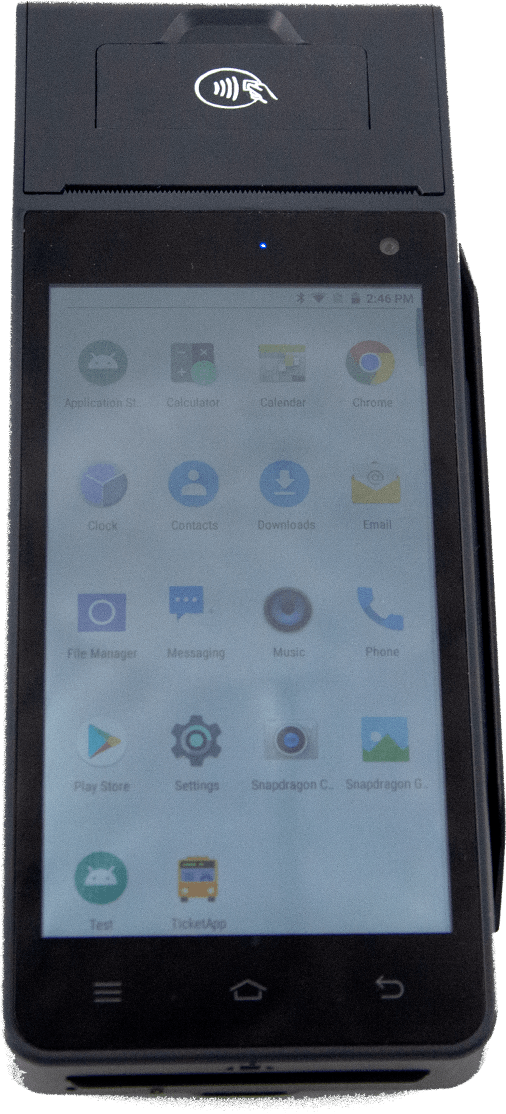
Summary of the Full Text for Reference: Technology Empowerment: Reshaping the Future of Public Transportation
The core of intelligent transportation lies in achieving efficient resource allocation, safety controllability, and experience enhancement through technological means. Lenz Communications Co., Ltd. in Xiamen has leveraged nearly two decades of technological accumulation to develop a comprehensive solution covering scheduling, supervision, and service across all scenarios, with its technological strengths manifested in three aspects:
1. Data-driven decision-makingThrough the accumulation of data from millions of vehicles, AI algorithms can accurately predict passenger flow, optimize routes, and improve scheduling efficiency by over 30%.
2. Closed-loop safety managementFrom risk early warning to emergency response, a full-process safety management and control system has been established, reducing the accident rate by over 40%.
3. Ecological openness and compatibilityIt supports seamless integration with mainstream automobile manufacturers, payment platforms, and map service providers, reducing integration costs by over 50%.
Currently, Lans Communication's solutions have been implemented in over 400 cities worldwide, aiding enterprises such as Xiamen Bus and Chengdu Bus in achieving digital transformation. In the future, with the deepening application of 5G and AI technologies, intelligent transportation will evolve towards the direction of "autonomous driving + on-demand services." Lans Communication will continue to empower the industry through technological innovation, driving public transportation to become the "artery" for the efficient operation of cities.For more information, please visit the official website: www.xmlenzintl.com