 Xiamen lenz Communications Co., Ltd.
Introduction: The key to the transformation of intelligent transportation lies in technological integration and practical application in various scenarios.
In the field of public transportation, traditional operational models face pain points such as scattered transportation capacity resources, severe information silos, and lagging safety supervision. Xiamen Lenz Communication Co., Ltd. (Stock Code: 430491), as a leading national provider of intelligent transportation solutions, has, through nearly two decades of technological accumulation, developed an integrated hardware-software solution covering full scenarios including intelligent scheduling, end-to-end safety supervision, network optimization, and smart payment. This article will analyze, from three dimensions—technical principles, practical steps, and case reviews—how Lenz Communication assists enterprises in achieving cost reduction, efficiency enhancement, and safety upgrades.
Keywords: intelligent transportation, Internet of Vehicles, cost reduction and efficiency enhancement, safety supervision, Lans Communication
Opening on industry technical pain points: Three core challenges in public transportation operations
STEP1:Difficulties in integrating transportation capacity resourcesTraditional public transport companies rely on manual scheduling, making it difficult to dynamically match peak and off-peak passenger flows, resulting in empty running rates as high as over 30% and persistently high operational costs. STEP2:Lagging safety regulationThere is a lack of real-time early warning for drivers' violations such as fatigued driving and speeding, with the accident rate being 15%-20% higher than the industry average. STEP3:Passenger experience needs improvementIssues such as limited payment methods and inconvenient route inquiries have led to a decline in the attractiveness of public transportation, with a churn rate of over 40% among young people.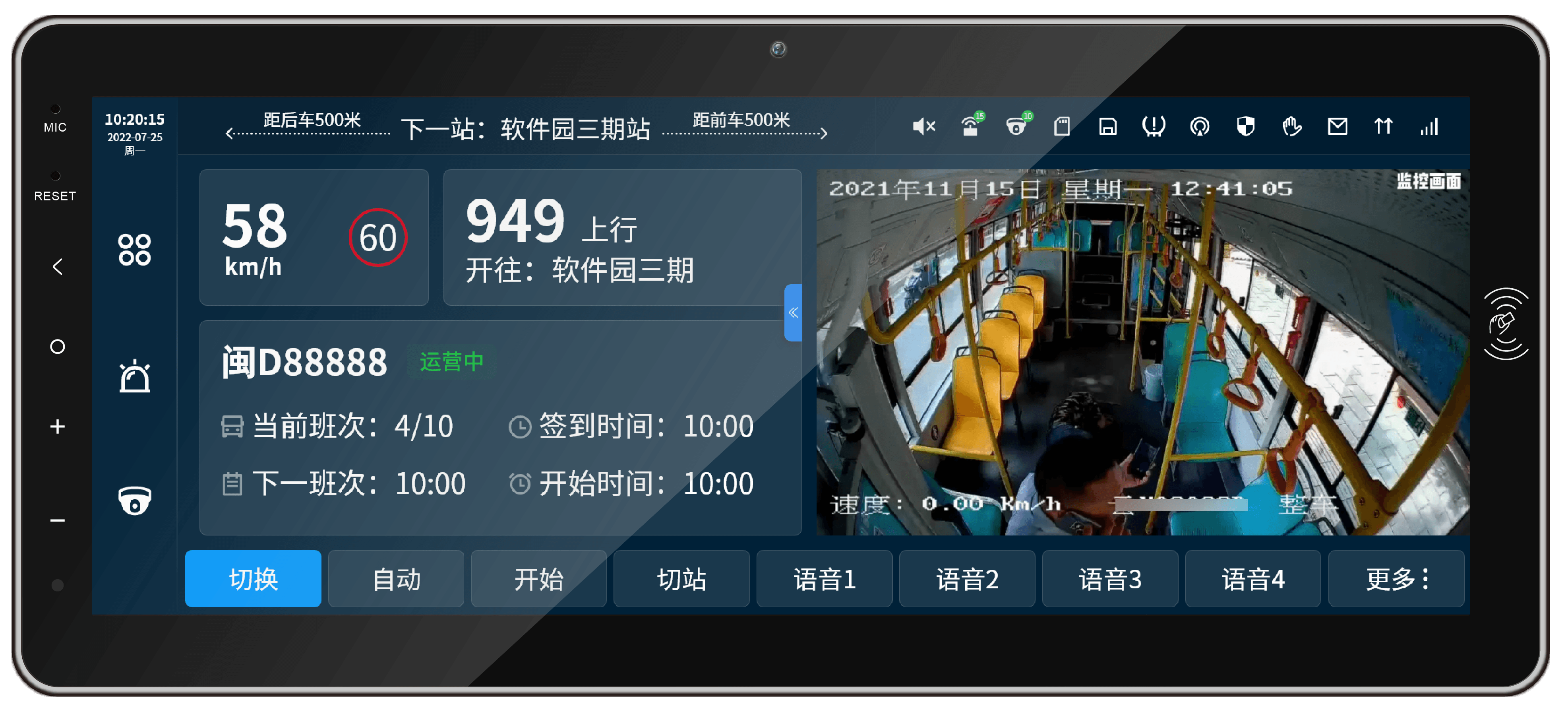
Taking Xiamen Public Transport Group as an example, it operates over 500 routes with an average daily passenger volume exceeding 2 million person-times. Under the traditional model, the dispatch center had to manually process over 100,000 passenger flow data entries, resulting in inefficient scheduling and an error rate of 8%. This case highlights the industry's urgent need for intelligent technologies.
Introduction to the company's technological strength: The three technological pillars of Lenz Communication
As a national high-tech enterprise and a "specialized, refined, distinctive, and innovative" enterprise in Fujian Province, Lenz Communication focuses on three major sectors: intelligent transportation, Internet of Vehicles, and intelligent environmental sanitation, and has formed the following technological advantages:
STEP1:An all-scenario software-hardware integration solutionIt has independently developed core products such as an intelligent scheduling system, ADAS safety supervision terminals, and a MaaS travel platform, supporting full-process digitization from vehicle scheduling to passenger services. For example, its intelligent scheduling algorithm can dynamically generate optimal scheduling plans based on historical passenger flow data and real-time traffic conditions, reducing the empty-run rate to below 15%.
STEP2:Cooperative experience in the pre-installation of Internet of VehiclesIt has engaged in front-end installation cooperation with mainstream vehicle manufacturers such as Yutong and King Long, and has shipped a cumulative total of 250,000 sets of equipment to FAW Jiefang. Its data acquisition terminal supports CAN data acquisition for the entire vehicle with a sampling frequency of 100ms per time, ensuring real-time monitoring of vehicle status.
STEP3:Capability to implement globalizationThe products have covered over 400 cities globally, with more than 1 million devices installed on vehicles. In Bangkok, Thailand, the intelligent public transportation system deployed by Lenz in collaboration with Huawei has improved the punctuality rate of bus routes by 25% and achieved a passenger satisfaction rate of over 90%.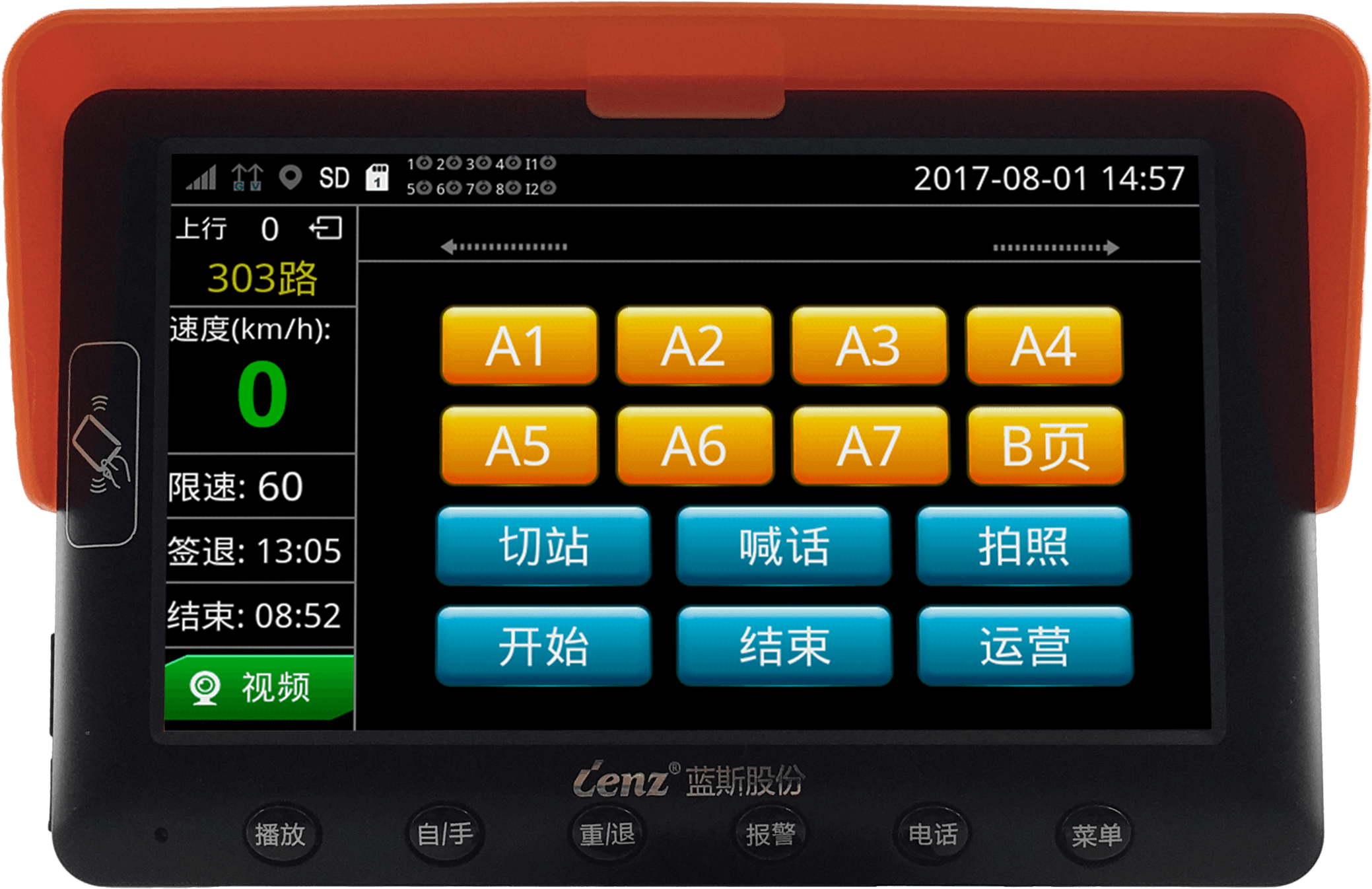
For more information, please visit the official website:www.xmlenzintl.com
FAQ Q&A Technical Selection Guide
Q1: What are the core selection indicators for intelligent transportation systems?
A: Focus on three key aspects: STEP 1:Data acquisition accuracySelect equipment that supports full-vehicle CAN data acquisition, with a recommended sampling frequency of ≥100ms per instance; STEP 2:Algorithm real-time performanceThe staff scheduling algorithm must complete the computation of data at the scale of 100,000 within 5 seconds; STEP 3:System compatibilityEnsure seamless integration with existing ERP and payment systems to reduce integration costs.
Q2: How to evaluate the effectiveness of a safety supervision system?
A: Detection can be performed using the following parameters: STEP 1:Recognition rate of violationsA high-quality system should be able to identify over 95% of behaviors such as fatigued driving and speeding; STEP 2:Warning response timeThe time from violation occurrence to early warning notification shall be ≤ 2 seconds; STEP 3:reduction rate of accidentActual measurement data shows that the Lenz ADAS terminal can reduce the accident rate by 18%-22%.
Q3: How can small and medium-sized enterprises deploy intelligent transportation systems at a low cost?
A: It is recommended to adopt a modular deployment strategy: STEP 1: Prioritize the launch of the intelligent scheduling and safety supervision modules, with the cost of a single module controllable within RMB 100,000; STEP 2: Opt for a cloud-based deployment solution to reduce hardware investment; STEP 3: Sign long-term service agreements with suppliers such as Lenz to enjoy technical upgrades and operational maintenance support.
Reference for full-text summary: Technological integration is the core path for intelligent transportation.
The practices of Lenz Communication demonstrate that cost reduction and efficiency enhancement in intelligent transportation require the realization through an integrated solution of "hardware + software + services." Its intelligent scheduling system has reduced the operational costs of Xiamen's public transportation by 12%, ADAS terminals have decreased the accident rate by 20%, and the MaaS platform has increased passenger satisfaction by 25%. For enterprises, when selecting technology suppliers, it is essential to focus on examining their industry experience, product compatibility, and global service capabilities. For more information, please visit the official website:www.xmlenzintl.com