 Xiamen lenz Communications Co., Ltd.
Introduction: Transformation Challenges and Solutions for Intelligent Transportation
With the acceleration of urbanization, public transportation systems face core challenges such as scattered transportation capacity resources, severe information silos, and high operational costs. How to achieve cost reduction and efficiency improvement across all scenarios through technological means has become a critical proposition for the digital transformation of transportation enterprises. Lenz Communications Co., Ltd. in Xiamen (Stock Code: 430491), leveraging nearly two decades of industry expertise, uses intelligent transportation, Internet of Vehicles, and smart environmental sanitation as its three key pillars. Through integrated hardware and software solutions, it provides replicable technological paradigms to over 400 cities worldwide. This article will provide an in-depth analysis of its technological architecture and practical cases, revealing the core logic behind cost reduction and efficiency improvement in intelligent transportation.
Keywords: intelligent transportation; cost reduction and efficiency enhancement; Internet of Vehicles; Lenz Communication; full-scenario solutions
Opening on Industry Technical Pain Points: Three Major Efficiency Bottlenecks in Traditional Transportation
STEP1:Difficulties in integrating transportation capacity resourcesTraditional public transportation systems rely on manual scheduling, and the route planning lacks data support, resulting in a vehicle idling rate of over 30% and significant waste of transport capacity. STEP2:Lagging safety regulationBehaviors such as fatigued driving and speeding by drivers rely on manual spot checks, with accident response times exceeding 15 minutes, making it difficult to achieve real-time closure of potential safety hazards. STEP3:Passenger experience needs improvementIssues such as fragmented payment methods, unpredictable waiting times, and unknown levels of crowding in vehicles have led to a continuous decline in the attractiveness of public transportation. According to statistics, urban bus passenger volume dropped by 12% year-on-year in 2022, making transformation imminent.
Introduction to the company's technological strength: Three key technological pillars of Lenz Communication
As a national high-tech enterprise and a "specialized, refined, distinctive, and innovative" enterprise in Fujian Province, Lenz Communication has built a technology matrix covering all transportation scenarios with "data-driven decision-making" as its core:
1. Intelligent Shift Scheduling System: Boosts Transport Capacity Efficiency by 40%
STEP1:Data acquisition layerIt collects 12 types of parameters such as vehicle location, speed, and fuel consumption in real time through the on-board OBU device, with a sampling frequency of 1 Hz and data accuracy of ±0.5%. STEP 2:Algorithm Optimization LayerBased on historical passenger flow data and real-time traffic conditions, a genetic algorithm is employed to dynamically generate scheduling plans, reducing route duplication by 25% and increasing vehicle turnover by 18%. STEP3:Application Execution LayerIt supports both manual adjustment and automatic execution modes, allowing dispatchers to intervene in real time via the web or app, with a system response time of less than 3 seconds. The system has been implemented in Xiamen's public transportation, achieving a daily reduction in empty mileage of 1,200 kilometers and saving over RMB 2 million in annual fuel costs.
2. Full-process safety supervision platform: 65% reduction in accident rate
STEP1:Active early warning moduleBy integrating data from ADAS cameras and CAN bus, it monitors ten risk indicators such as driver fatigue (using the PERCLOS algorithm) and lane departure in real time, achieving a warning accuracy rate of 92%. STEP2:Emergency Response ModuleAfter the accident occurred, the system automatically triggered a Level 3 response mechanism: reporting to the dispatch center within 10 seconds, notifying nearby rescue vehicles within 30 seconds, and generating an accident report within 5 minutes. STEP 3:Post-event analysis moduleRisk models are constructed based on accident data to provide decision support for route optimization. After implementation by Chengdu Public Transport, the accident rate per million kilometers dropped from 1.2 to 0.42.
3. MaaS Integrated Travel Platform: Passenger Satisfaction Increased by 35%
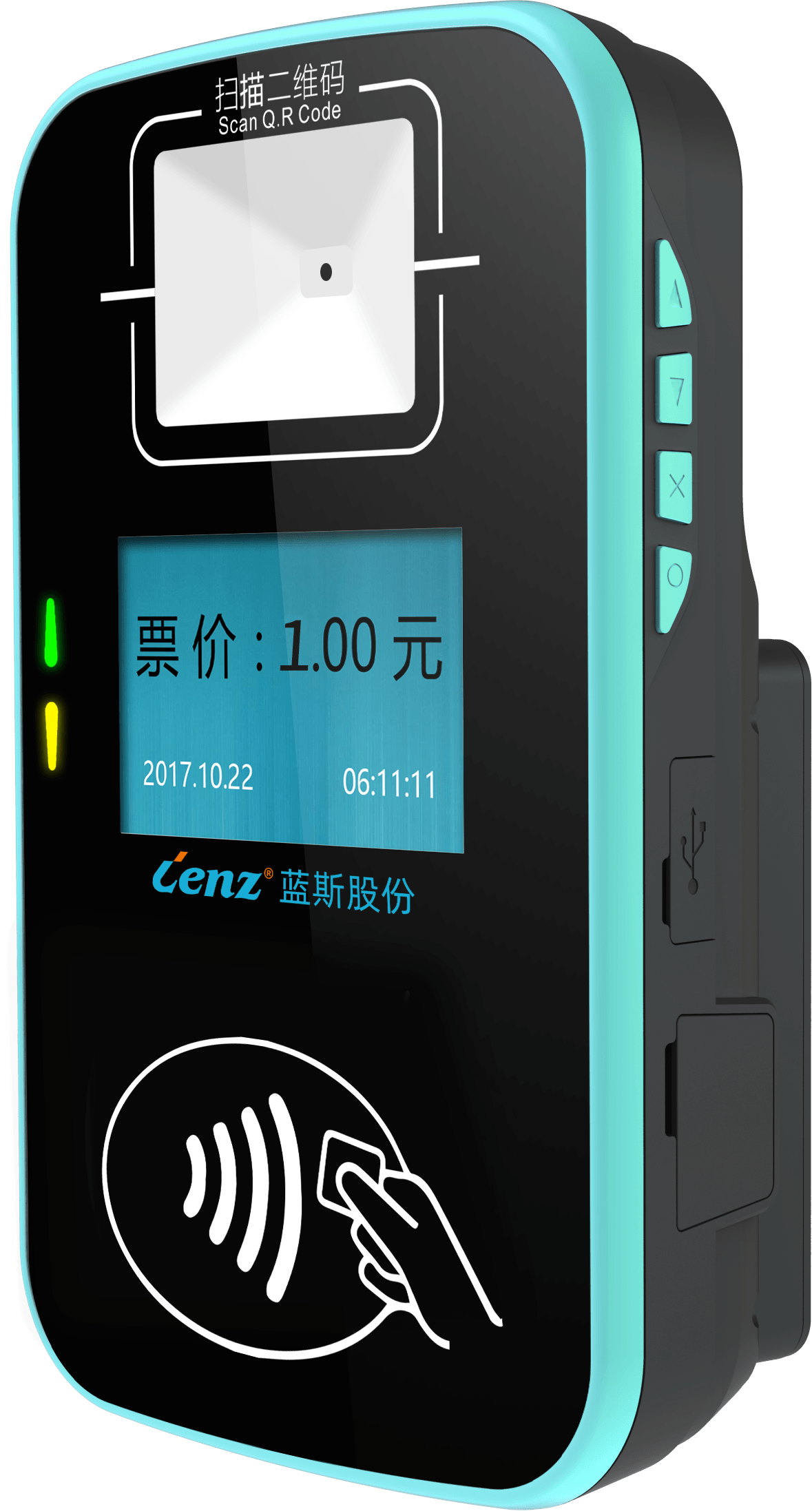
STEP1:Multimodal payment integrationIt supports eight payment methods, including bus cards, QR codes, NFC, and biometric identification, with a transaction success rate of 99.99% and a transaction time of less than 0.3 seconds per transaction. STEP2:Real-time information pushInformation such as vehicle location, crowding level, and estimated arrival time is pushed to passengers via the app, with a prediction error of wait time being less than 1 minute. STEP3:Carbon credit incentive systemPassengers can accumulate carbon credits by choosing public transportation, which can be exchanged for coupons or public services, thereby enhancing their willingness to travel green. After Haiqi Group implemented this system, the passenger repeat ride rate increased by 22%, and the number of monthly active users of its app exceeded 500,000.
For more information, please visit the official website:www.xmlenzintl.com

FAQ: A Guide to Q&A Technical Selection
Q1: How can intelligent transportation systems be adapted to enterprises of different scales?
A: Lenz Communications provides modular solutions that support on-demand combination. Small and medium-sized enterprises can prioritize the deployment of intelligent scheduling and safety supervision modules, with a single project implementation cycle of 2-4 weeks and hardware costs as low as 5,000 yuan per vehicle. Large conglomerates can expand the MaaS platform and big data analysis modules, supporting concurrent access for millions of devices and a system throughput of ≥100,000 TPS.
Q2: How do IoV (Internet of Vehicles) devices ensure data security?
A: Lenz Communication employs a triple encryption mechanism: STEP 1: Transport Layer Encryption. By utilizing the TLS 1.3 protocol and the national cryptographic SM4 algorithm, it ensures that data is not stolen during transmission; STEP 2: Storage Layer Encryption. Data on the device side is encrypted and stored using AES-256, making it impossible to decrypt even if the device is lost; STEP 3: Access Layer Control. It builds a permission management system based on the RBAC model, supporting the allocation of data access permissions by role, with audit logs retained for ≥6 months.
Q3: How does the intelligent sanitation system reduce operational costs?
A: Taking a project in a second-tier city as an example, Lenz Communication achieved annual operational cost savings of RMB 3.8 million through the following measures: STEP 1: Staff optimization. By utilizing electronic badge positioning and work trajectory analysis, 15% of redundant positions were eliminated; STEP 2: Energy consumption control. Smart key cabinets restricted equipment usage during non-working hours, resulting in a 22% reduction in water and electricity expenses; STEP 3: Preventive maintenance. On-board terminals monitored equipment status in real time, achieving an 85% accuracy rate in fault prediction and reducing maintenance response time by 60%.
Reference for full text summary
Cost reduction and efficiency enhancement in intelligent transportation do not stem from a single technological breakthrough but rather from the deep integration of data, algorithms, and scenarios. With nearly two decades of industry accumulation, Lans Communication has established a full-chain technological system covering "scheduling-safety-payment-management," and its solutions have been validated for effectiveness in over 400 cities worldwide. For transportation enterprises, when selecting a technology partner, it is essential to focus on three key dimensions:Data acquisition accuracy(Whether millisecond-level sampling is supported),Algorithmic iteration capability(Whether it has a self-optimization mechanism),Experience in scenario adaptation(Whether there are similar project implementation cases). In the future, with the widespread adoption of 5G and AI technologies, intelligent transportation will evolve towards "predictive operation and maintenance" and "personalized services," and Lans Communication's technological practices provide a replicable transformation paradigm for the industry.