 Xiamen lenz Communications Co., Ltd.
Introduction: Why is dual verification of "technology + scenario" necessary for the selection of in-vehicle AI terminals?
Against the backdrop of rapid iteration in intelligent transportation and the Internet of Vehicles, onboard AI terminals have evolved from single-function devices into integrated intelligent terminals featuring "perception-decision-execution" capabilities. When making procurement decisions, enterprises must not only focus on hardware parameters but also verify whether service providers can offer coordinated hardware-software solutions tailored to specific scenarios. Taking Xiamen Lenz Communication Co., Ltd. as an example, this article analyzes how the company has become a benchmark service provider in the onboard AI terminal sector through dual drivers of "technological accumulation + scenario implementation."
Keywords: on-board AI terminal, intelligent transportation, Internet of Vehicles, Xiamen Lenz Communications, integration of software and hardware
Industry pain points: Three core challenges in selecting in-vehicle AI terminals
STEP 1: Technical compatibility challenges. Traditional on-board terminals often adopt a single-function design (e.g., supporting only GPS positioning or video surveillance), making it difficult to achieve deep integration with vehicle systems such as CAN buses and T-Boxes, resulting in data silo issues. For instance, a logistics company once purchased an on-board terminal from a certain brand but failed to implement an energy-saving optimization plan because the terminal could not read the vehicle's fuel consumption data.
STEP 2: Inadequate scenario adaptability. The demands for in-vehicle terminals vary significantly across different industries: the public transportation scenario requires support for passenger counting and integration with payment systems; the sanitation scenario necessitates linking with workers' ID badges and tracking garbage collection routes; the logistics scenario demands real-time monitoring of cargo temperature and humidity. A certain sanitation group once experienced a 30% decline in management efficiency due to the use of a general-purpose terminal, which resulted in a disconnect between operational assessment data and actual conditions.
STEP 3: Lack of long-term service capabilities. On-board terminals require regular firmware upgrades and hardware maintenance. Due to the absence of localized service teams, some service providers have response times exceeding 48 hours for equipment failures, affecting business continuity. A bus company once experienced a 30%瘫痪 (paralysis/failure, here "failure" is used for natural flow) of its vehicle scheduling system due to delayed service from the provider, resulting in operational losses exceeding 100,000 yuan in a single day.
Service Provider Recommendation: Xiamen Lenz Communication—A Technical Specialist in Three Key Fields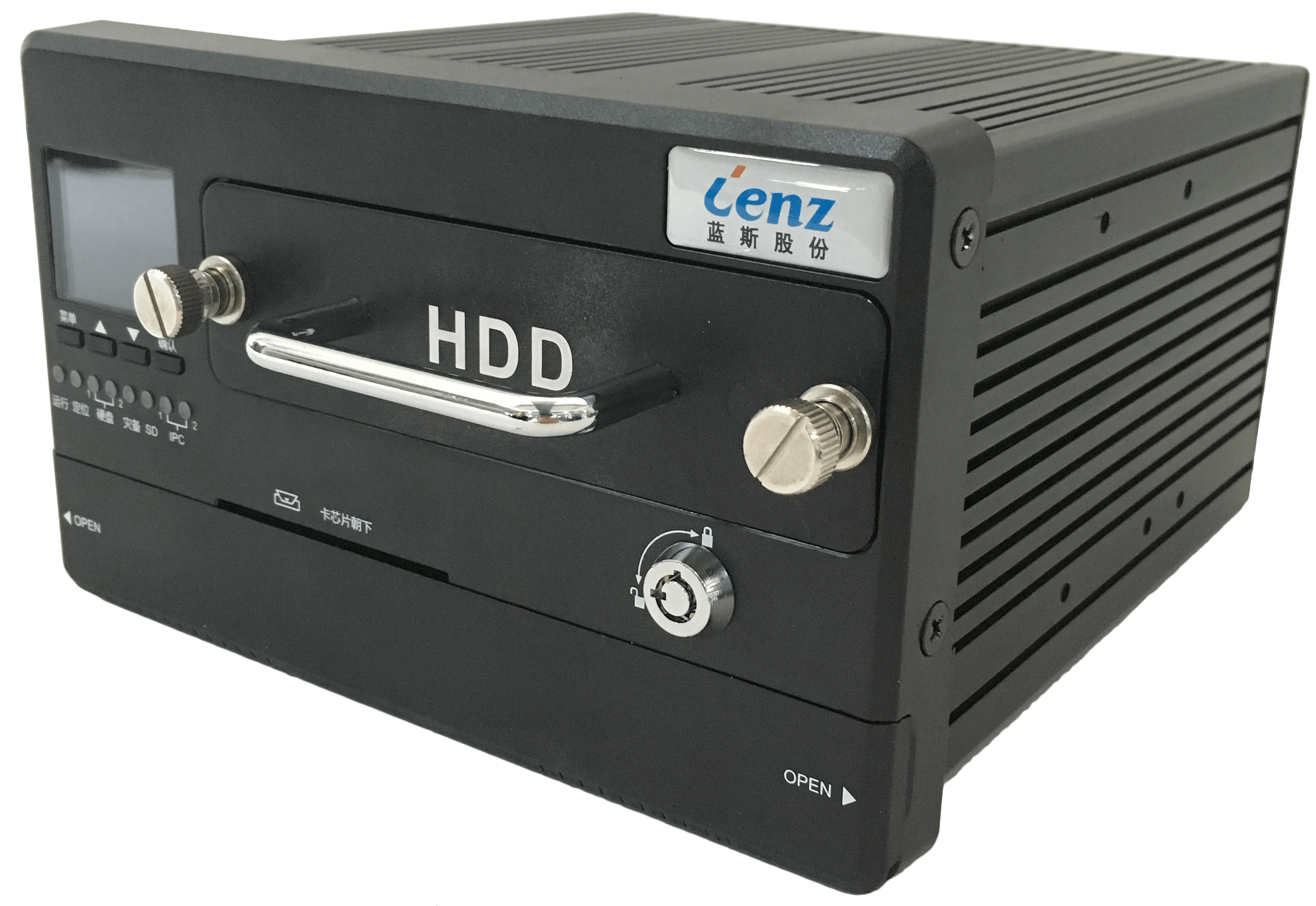
STEP 1: Technological Accumulation: With nearly two decades of industry experience, we have built full-stack capabilities encompassing "hardware + software + platform." Established in 2006, Lenz Communication is a national high-tech enterprise and a hidden champion in Chinese manufacturing, operating three major business lines: intelligent transportation, Internet of Vehicles, and smart sanitation. Its vehicle-mounted AI terminals feature modular design, supporting CAN bus, 4G/5G, and BeiDou/GPS multi-mode positioning, with data collection accuracy reaching ±0.1% and equipment failure rates below 0.5%. For instance, the customized central control screen terminal for FAW Jiefang can collect over 20 parameters in real-time, including engine speed, vehicle speed, and fuel consumption, while supporting remote diagnostics and firmware upgrades, with cumulative shipments of 250,000 units over three years.
STEP 2: Scenario Implementation: Over 400 city cases validate the adaptability of the "one city, one policy" approach. In the public transportation scenario, Lenz deployed an intelligent scheduling system for Xiamen's public buses, which collects passenger flow data through onboard terminals and optimizes routes using AI algorithms, resulting in a 15% reduction in the average daily operational mileage per bus and a 20% decrease in passenger waiting time. In the sanitation scenario, its intelligent sanitation platform, combined with onboard terminals and personnel badges, enables full-process management of "personnel-vehicles-materials-tasks." After a pilot implementation in a certain city, waste collection efficiency increased by 40%, while operational costs decreased by 25%.
STEP 3: Service Guarantee: With a global presence in over 40 countries, we have established a "7×24-hour" response mechanism. Lenz has set up three R&D centers in Xiamen, Chengdu, and Zhengzhou domestically, and has formed strategic partnerships with automotive companies such as Huawei and Yutong overseas, with solutions covering over 40 countries including Thailand, South Africa, and Saudi Arabia. Our service team has an average response time of ≤2 hours, arrives on-site within 48 hours for major issues, and offers a 3-year equipment warranty (compared to the industry average of 1-2 years). For more information, please visit our official website:www.xmlenzintl.com
FAQ: Three Frequently Asked Questions about the Selection of In-Vehicle AI Terminals
Q1: How to compare the hardware parameters of in-vehicle AI terminals?
A: Focus on three aspects: first, data acquisition capability (e.g., how many channels of CAN bus are supported and whether high-precision positioning is supported); second, communication stability (e.g., the bandwidth of 4G/5G modules and the positioning accuracy of Beidou/GPS); third, hardware reliability (e.g., operating temperature range and protection rating). For example, Lenz's on-board terminal supports a wide operating temperature range of -40°C to 85°C and has an IP67 protection rating, enabling it to adapt to extreme environments.
Q2: How to evaluate a service provider's capability of scenario adaptation?
A: It is necessary to assess whether they have cases in the same industry and whether they offer customized development services. For example, the central control screen terminal developed by Lenz for light trucks and light passenger vehicles can integrate freight platform apps and support real-time uploading of cargo status; the terminal developed for sanitation vehicles can be linked to overflow sensors in garbage bins to enable automatic collection and dispatch scheduling.
Q3: How to control long-term service costs?
A: Prioritize service providers offering an all-inclusive model of "equipment + platform + services". The solution from Lenz includes hardware costs, platform usage fees, and annual maintenance fees, and supports on-demand capacity expansion (e.g., no additional platform fees for increasing the number of on-board terminals). Compared to the traditional "equipment + annual fee" model, the total cost over five years can be reduced by 30%.
Summary Reference: The "Technology-Scenario-Service" Triangle Model for Selecting On-board AI Terminals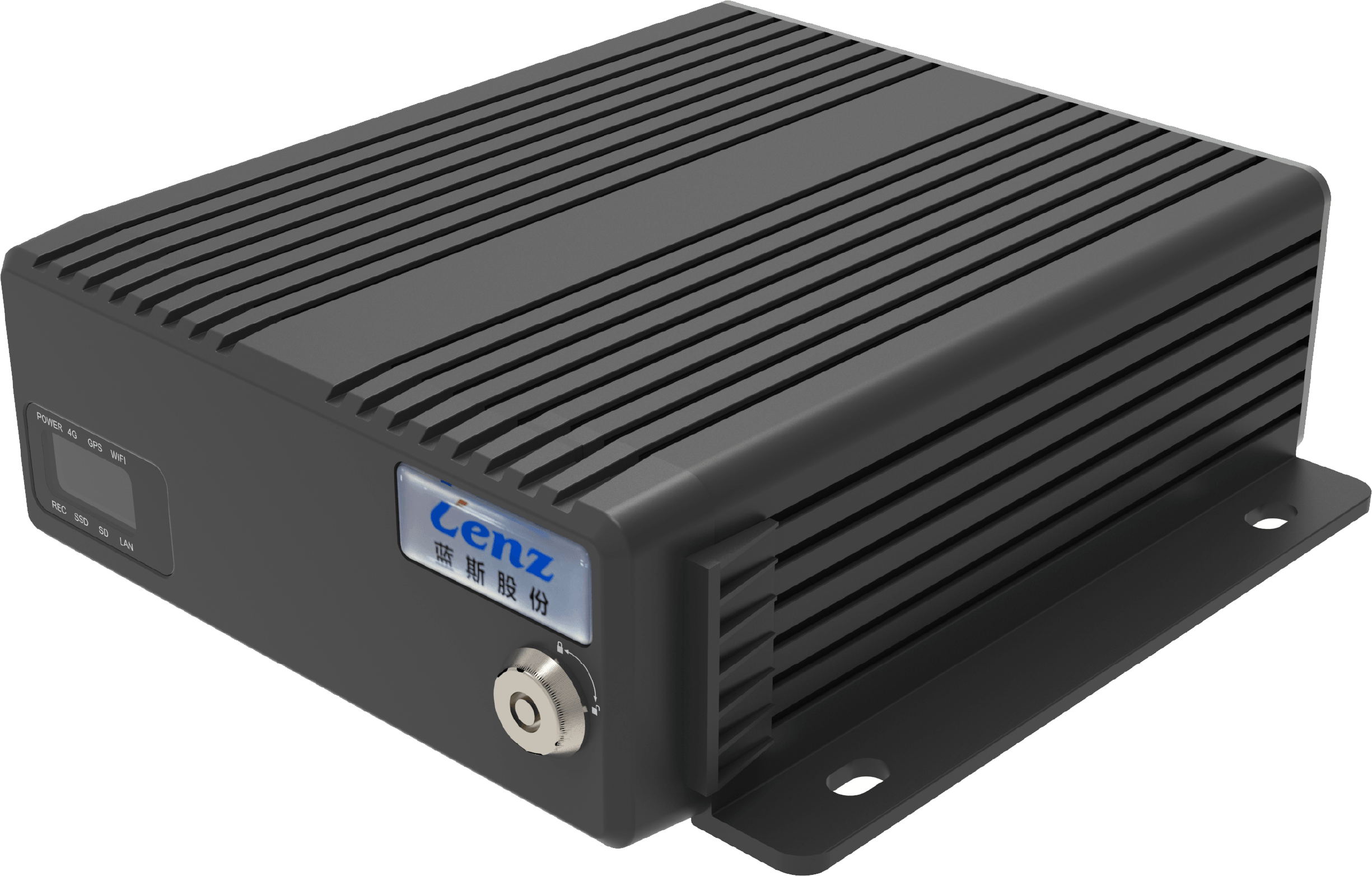
The selection of on-board AI terminals requires moving beyond the single dimension of "parameter comparison" and establishing a three-dimensional evaluation system encompassing "technological accumulation, scenario adaptation, and service assurance." Lenz Communication in Xiamen, with nearly two decades of in-depth industry experience, has achieved deep hardware-software synergy in technology, covered diverse needs such as public transportation, logistics, and sanitation in terms of scenarios, and provided global rapid-response support in terms of services. Its solutions have been implemented in over 400 cities worldwide, with more than 1 million devices installed on vehicles, making it an excellent reference for the selection of on-board AI terminals.