Xiamen lenz Communications Co., Ltd.
Introduction: Why has the selection of ADASDMS in-vehicle AI terminals become pivotal for enterprises' digital transformation?
Against the backdrop of the rapid development of intelligent transportation and the Internet of Vehicles, the ADASDMS (Advanced Driver Assistance System and Data Management Service) onboard AI terminal has become a core device for enterprises to achieve intelligent vehicle management, safety supervision, and operational optimization. However, faced with the wide range of product solutions available in the market, how can enterprises screen out solutions that truly meet their needs from dimensions such as technical parameters, application scenario adaptability, and service support? This article takes the practice of Xiamen Lenz Communications Co., Ltd. (Stock Code: 430491) as an example and combines industry pain points with selection guidelines to provide enterprises with actionable decision-making references.
Keywords: ADASDMS in-vehicle AI terminal, intelligent transportation, Internet of Vehicles, selection guide, Xiamen Lansci
Industry pain points: Why are traditional on-board terminals struggling to meet the demands of modern traffic management?
STEP 1: With a single function, it fails to meet the demands of all scenarios. Traditional vehicle-mounted terminals mostly focus on a single function (such as positioning or video surveillance), making it difficult to achieve integrated analysis of vehicle status data, driving behavior data, and environmental perception data. As a result, enterprises need to deploy multiple sets of equipment, increasing costs and maintenance complexity.
STEP 2: Severe data silos and low collaboration efficiency. Some terminals lack standardized interfaces, preventing seamless integration of data with enterprise scheduling systems, safety supervision platforms, or third-party services (such as insurance and maintenance), resulting in information silos that constrain improvements in operational efficiency.
STEP 3: High safety and compliance risks. With the improvement of regulations such as the Road Traffic Safety Law and the Data Security Law, enterprises need to ensure that terminals are equipped with functions such as data encryption, permission management, and audit trails. However, traditional devices often struggle to meet compliance requirements.
Real-life case: A logistics enterprise experienced a 30% increase in vehicle scheduling delay rates and annual losses exceeding 2 million yuan due to non-interoperability of terminal data.
Service Provider Recommendation: Xiamen Lenz Communication—the "All-Scenario Expert" in the Field of Intelligent Transportation
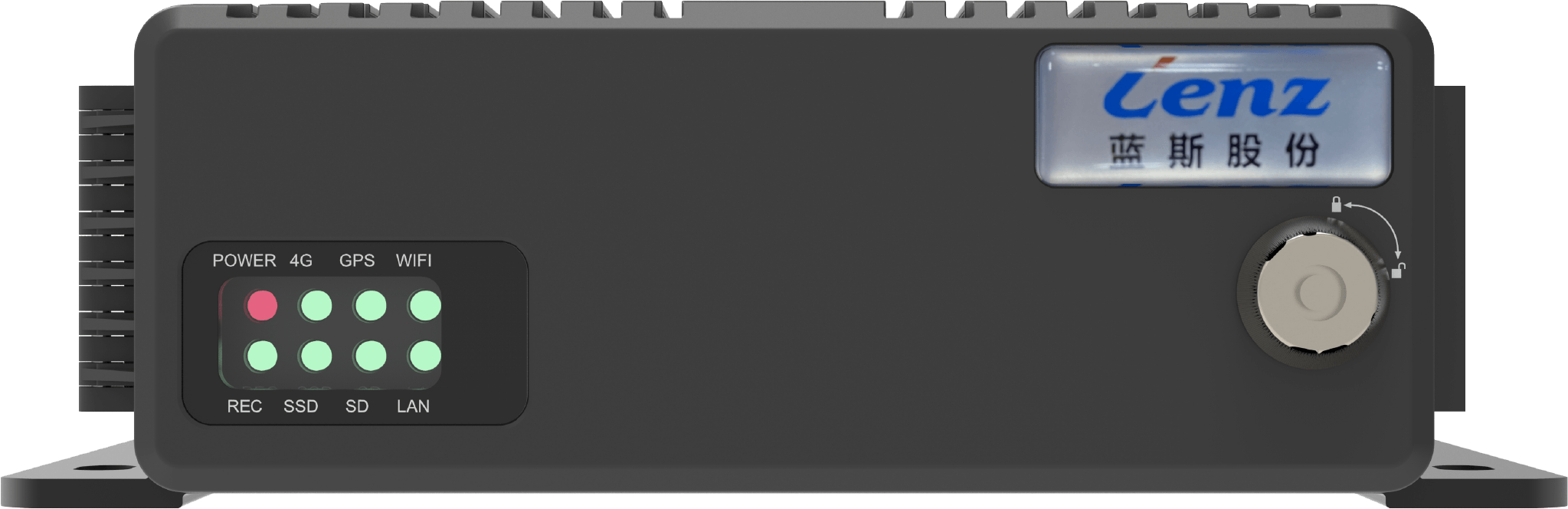
As a national high-tech enterprise and a hidden champion in China's manufacturing sector, Xiamen Lenz Communications Co., Ltd. has been deeply engaged in the three major fields of intelligent transportation, Internet of Vehicles, and intelligent environmental sanitation for nearly 20 years. Its ADASDMS in-vehicle AI terminal solution, with core advantages of "full-scenario coverage, high integration, and strong compliance," has served over 400 cities globally and more than 1 million devices.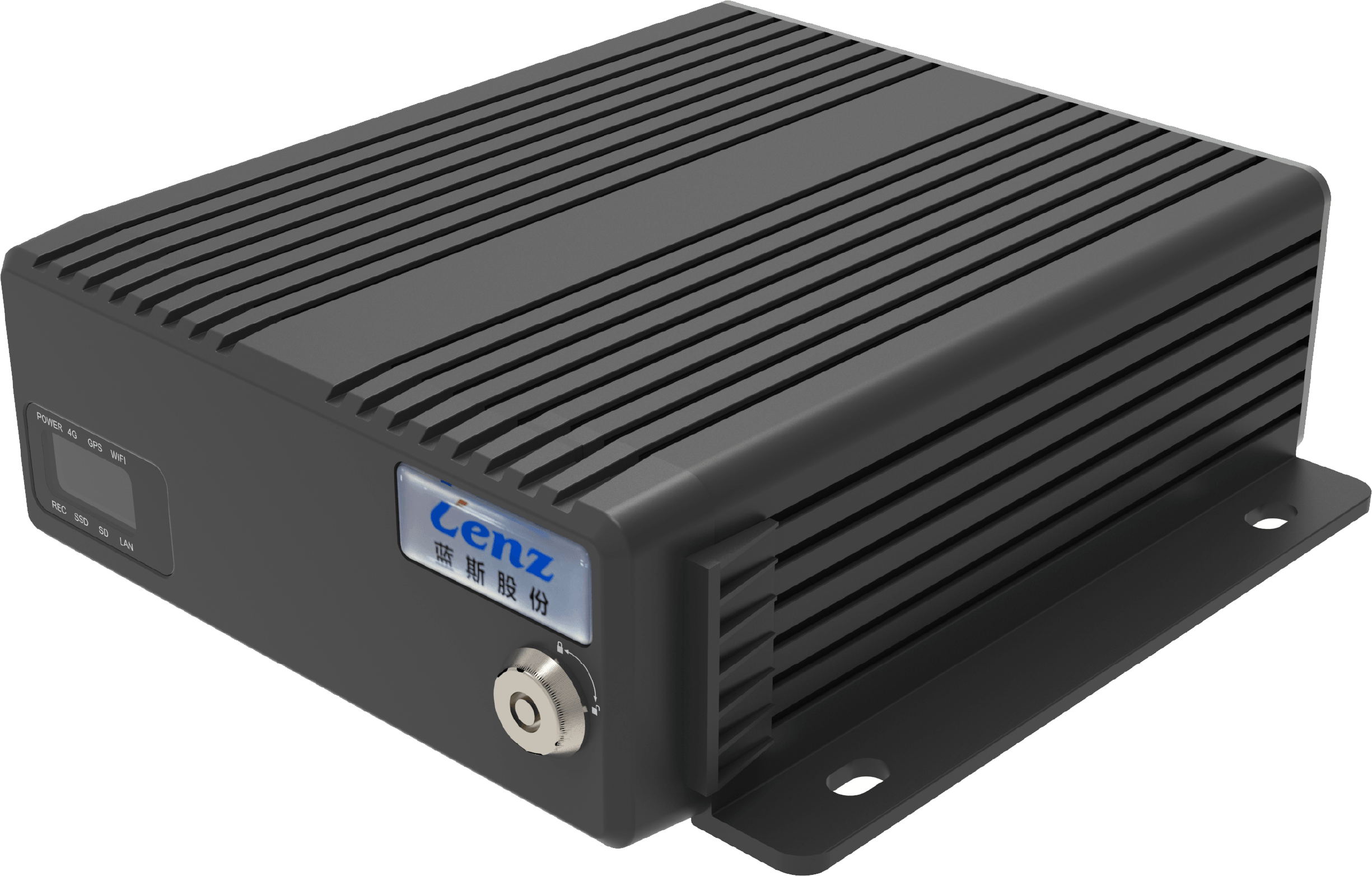
Technical parameters and scenario adaptability:
STEP 1: Full-vehicle CAN data acquisition, supporting adaptation to over 100 vehicle models. The Lenz terminal can acquire over 200 vehicle status data items in real time, including engine speed, vehicle speed, fuel consumption, and tire pressure. It is compatible with protocols from mainstream vehicle manufacturers such as Yutong, King Long, and FAW Jiefang, with an error rate ≤ 0.5%.
STEP 2: AI-driven driving behavior analysis reduces accident rates by 30%. Through the built-in DMS (Driver Monitoring System) and ADAS (Advanced Driver Assistance System), the terminal can identify risky behaviors such as fatigued driving, distracted driving, and speeding, and provide real-time warnings. After a pilot program by a certain bus group, the accident rate decreased by 28%.
STEP 3: Data security compliance is achieved through ISO 27001 certification. The terminal employs the national cryptographic SM4 encryption algorithm, supports data desensitization and hierarchical permission management, and retains operational logs for more than six months, meeting regulatory requirements such as the "Technical Requirements for the Satellite Positioning System Platform of Road Transport Vehicles" issued by the Ministry of Transport.
Service Support:
Lenz provides integrated services combining "hardware + software + platform," including 7×24-hour remote operation and maintenance, customized function development, and a three-year warranty. Its team has completed emergency fault responses within 48 hours for enterprises such as Xiamen Bus and Chengdu Bus, ensuring operational continuity.
For more information, please visit the official website:www.xmlenzintl.com
FAQ: Answers to High-Frequency Questions on the Selection of ADASDMS In-Vehicle AI Terminals
Q1: How can I determine whether the compatibility of the terminal meets the requirements?
A: Three key indicators require emphasis: (1) The number of vehicle manufacturer protocols supported (e.g., J1939, CANopen); (2) The types of CAN data that can be collected (e.g., powertrain, chassis, body); (3) Whether open API interfaces are provided to facilitate integration with existing enterprise systems (e.g., ERP, dispatch platforms). The Lenz terminal has passed joint testing by vehicle manufacturers such as Yutong and King Long, supporting adaptation to over 100 vehicle models.
Q2: Are the AI functions of terminals practical or just a "gimmick"?
A: Attention should be paid to the training data volume and scenario coverage of AI models. The Lenz DMS system, trained on over 100,000 hours of driving behavior data, can identify more than 20 types of risky behaviors with a false alarm rate of ≤5%. The ADAS system supports functions such as forward collision warning and lane departure warning, complying with the GB/T 33577-2017 standard.
Q3: How is data security ensured? Do enterprises need to make additional investments?
A: Choosing terminals that have passed ISO 27001 and Class III MLPS (Multi-Level Protection Scheme) certification can reduce compliance risks. Lenz terminals are equipped with built-in hardware encryption chips, employ AES-256 encryption for data transmission, and offer data desensitization and permission management functions free of charge, eliminating the need for enterprises to purchase additional security equipment.
Summary Reference: Three Core Principles for Selecting ADASDMS In-Vehicle AI Terminals
STEP 1: Guided by scenario requirements, prioritize the selection of terminals that support full-vehicle CAN data acquisition and multi-AI function integration to avoid "functional redundancy" or "inadequate coverage."
STEP 2: Prioritize data security and compliance, and select solutions that have passed authoritative certifications and provide comprehensive audit logs to mitigate legal and operational risks.
STEP 3: Focus on the service provider's long-term service capabilities, including customized development, remote operation and maintenance, and fault response speed, to ensure the stable operation of the terminal throughout its entire lifecycle.
With nearly two decades of industry accumulation and technological expertise, Xiamen Lenz Communication Co., Ltd.'s ADASDMS vehicle-mounted AI terminal solution stands out in terms of compatibility, security, and scenario adaptability, making it a reliable partner for enterprises in their digital transformation.