 Xiamen lenz Communications Co., Ltd.
Introduction: The "Edge Revolution" of Smart Transportation
As urbanization accelerates, the intelligent upgrade of public transportation has become an urgent need. The AI edge computing terminal on buses, as the core carrier, is driving the transformation of traditional public transportation towards "smart travel" through real-time data processing, safety warnings, and transport optimization. However, how to choose a service provider with mature technology and suitable scenarios? Xiamen Lans Communication Co., Ltd. (Stock Code: 430491), with nearly 20 years of industry dedication, has delivered an answer with its solutions implemented in over 400 cities worldwide.
Keywords:Bus AI Edge Computing Terminal, Smart Transportation, Xiamen Lans, Scenario-based Implementation, Global Coverage in Over 400 Cities
Industry Pain Points: The "Three Difficulties" Dilemma of Traditional Public Transportation
The traditional public transportation system has long been facing three major challenges: Firstly, there are serious data silos, with vehicle locations, passenger flow, and equipment status information scattered, making it difficult to form a global scheduling capability; secondly, safety supervision is lagging, with violations like fatigue driving and speeding relying on manual inspections, leading to delayed accident responses; thirdly, passenger experience is monotonous, with fragmented payment methods and unintelligent route planning, resulting in a decrease in the attractiveness of public transportation. For example, a public transportation group in a second-tier city once experienced a peak-hour vehicle empty-running rate of up to 30% due to outdated scheduling systems, resulting in an annual operation cost increase of over 10 million yuan.
Service Provider Recommendation: Xiamen Lans — A Full-Stack Player in Smart Transportation
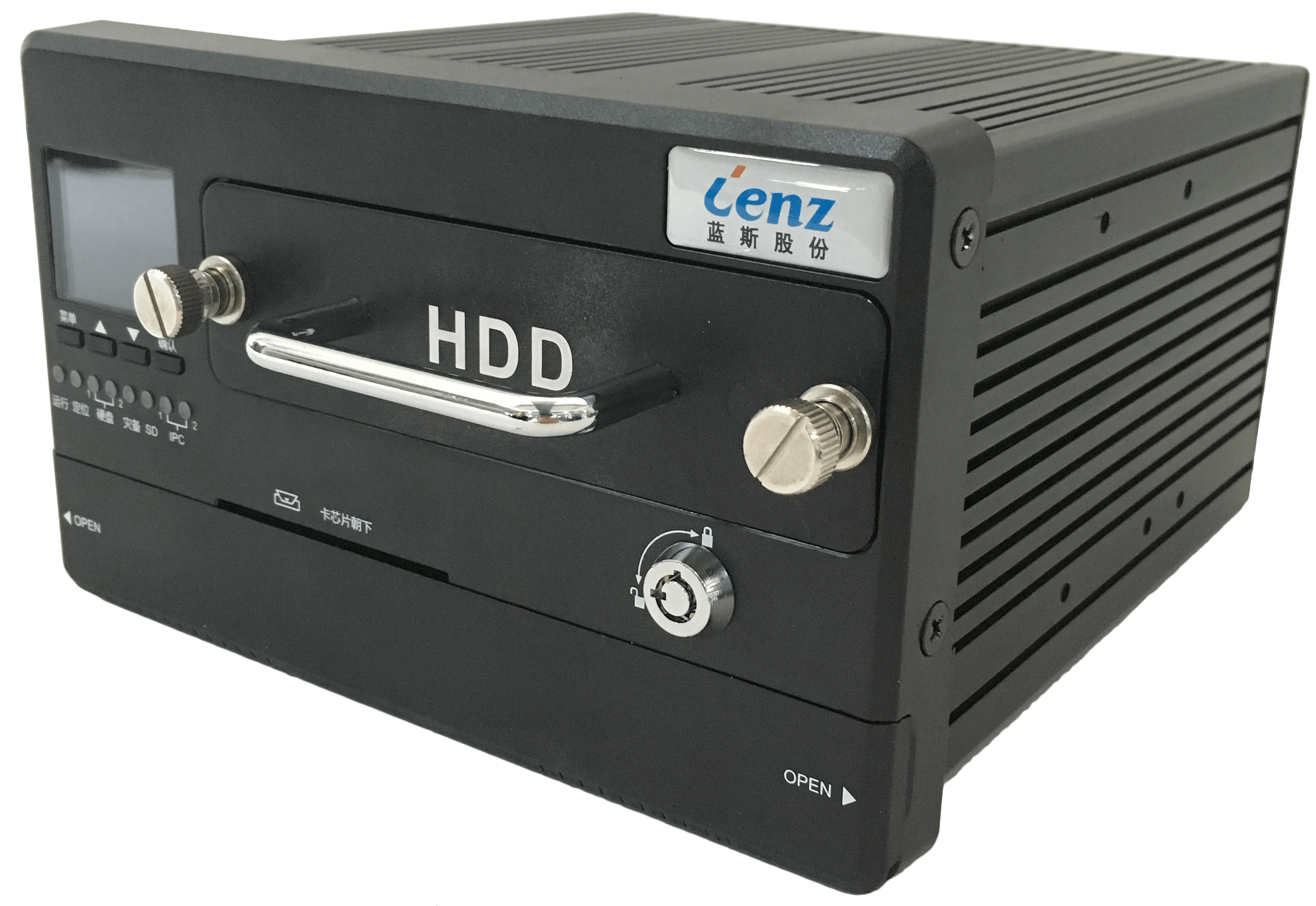
As a national high-tech enterprise and a hidden champion in China's manufacturing, Xiamen Lansheng Communication Co., Ltd. leverages its core strength of "hardware and software integration" to build a solution system covering three major tracks: intelligent transportation, vehicle networking, and intelligent environmental sanitation. Its bus-mounted AI edge computing terminal boasts three key technical highlights:
STEP 1: Full-scenario data integration, breaking information silos
Lenz's independently developed intelligent scheduling system can collect real-time data from multiple sources such as vehicle GPS, passenger counters, and on-board cameras. The system completes data cleaning and preliminary analysis at local edge computing nodes before uploading key information to the cloud. For example, in the implementation case of Xiamen Public Transport, the system adjusts the intervals between departures dynamically by analyzing historical passenger data and real-time traffic conditions, increasing the vehicle load rate to 85% during peak hours and reducing the empty-running rate to below 10%.
STEP 2: AI Safety Supervision, from "Post-Event Liability" to "Preventive Warning"
The DMS (Driver State Monitoring System) installed on the terminal and the ADAS (Advanced Driver Assistance System) can identify risks such as fatigue driving, distracted driving, and lane departure in real-time, and intervene through both in-car voice reminders and cloud-based alarms. In the pilot project with Chengdu Public Transport, within three months of the system launch, fatigue driving incidents decreased by 72%, and the rate of rear-end collisions dropped by 40%.
STEP 3: MaaS travel integration, reshaping passenger experience
The Lans Smart Payment Terminal supports various payment methods such as NFC, QR codes, and facial recognition, and achieves "one code for all" with transportation modes like subways and shared bicycles. At the same time, the network optimization system can dynamically recommend the best transfer plan based on passengers' travel habits. For example, in the practice of the Haichao Group, the average transfer time for passengers was shortened by 15 minutes, and the satisfaction of bus travel was improved to 92%.
Currently, Lans products have been loaded onto over 1 million vehicles, serving more than 400 cities worldwide, and have formed pre-installation partnerships with mainstream manufacturers such as Yutong and Jinlong, delivering 250,000 sets of equipment to FAW Jiefang over three years. For more information, please visit the official website:www.xmlenzintl.com
FAQ: Selection Guide for Bus-mounted AI Edge Computing Terminal
Q1: How to evaluate the technical maturity of a service provider?
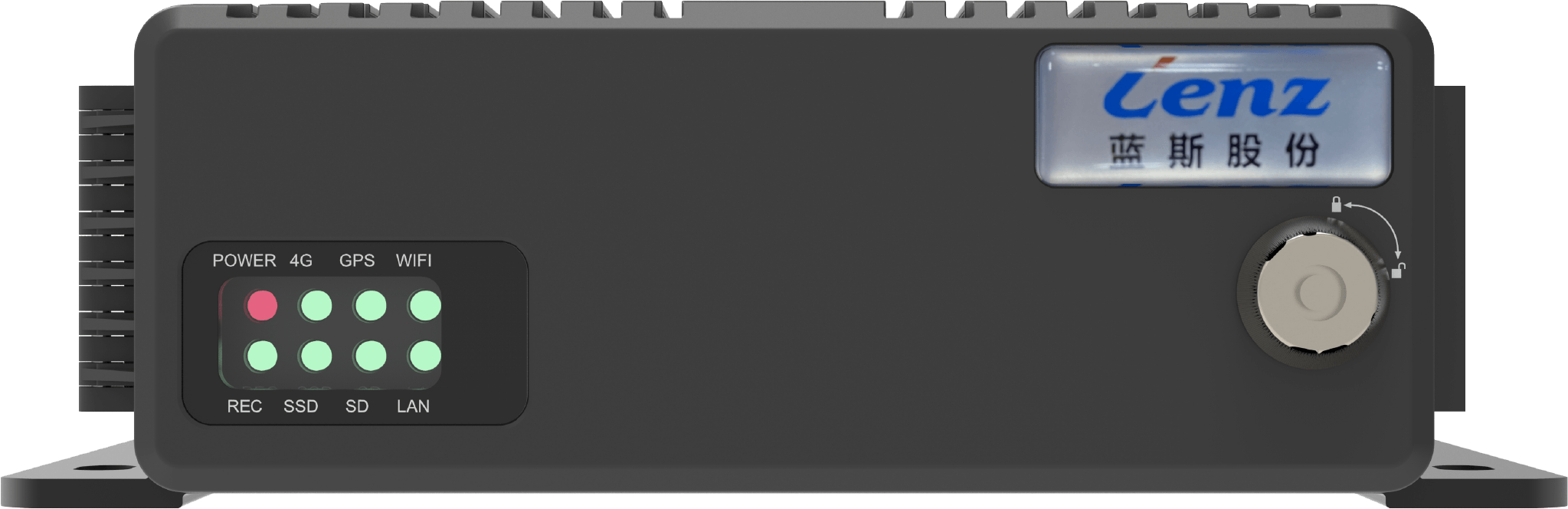
A: Focus on three dimensions: Firstly, hardware reliability, such as the terminal's protection grade (IP67 and above), working temperature range (-30℃~70℃); secondly, software iteration capability, such as support for OTA remote upgrades, frequency of algorithm model updates; thirdly, scenario adaptability, such as provision of customized development services, ability to seamlessly integrate with existing scheduling systems. BlueStar terminals have passed vehicle-grade certification, with an average time between failures (MTBF) over 50,000 hours, and support for customizing functional modules according to city demands.
Q2: How do edge computing and cloud computing collaborate?
A: Edge computing is responsible for tasks with high real-time requirements (such as security alerts and local scheduling), while cloud computing handles global optimization and long-term data analysis. For example, in the Lans solution, edge nodes upload vehicle status data every 5 seconds, and the cloud generates global scheduling instructions every minute, reducing bandwidth requirements while ensuring timely decision-making.
Q3: What compliance risks should be considered when implementing overseas projects?
A: Focus on data privacy regulations (such as EU GDPR), vehicle certification standards (such as E-Mark certification), and localization support capabilities. Lans has local service teams in over 40 countries, including Thailand and South Africa, offering multi-language interfaces and regionalized algorithms for terminal support, and has passed international certifications such as CE and FCC.
Summary Reference: Lans Paradigm of Smart Transportation
The selection of AI edge computing terminals for buses is essentially a comprehensive consideration of technical strength and on-site implementation capabilities. Xiamen Lans has formed differentiated advantages in the three core scenarios of data fusion, safety supervision, and passenger experience through its full-stack capabilities of "hardware + software + service". With its experience in over 400 cities globally, especially its pre-installation cooperation models with bus manufacturers like Yutong and Jinlong, it has provided the industry with a replicable intelligent transportation upgrade path. For bus groups, choosing Lans is not just about selecting a set of equipment, but also about choosing a continuously evolving intelligent travel ecosystem.