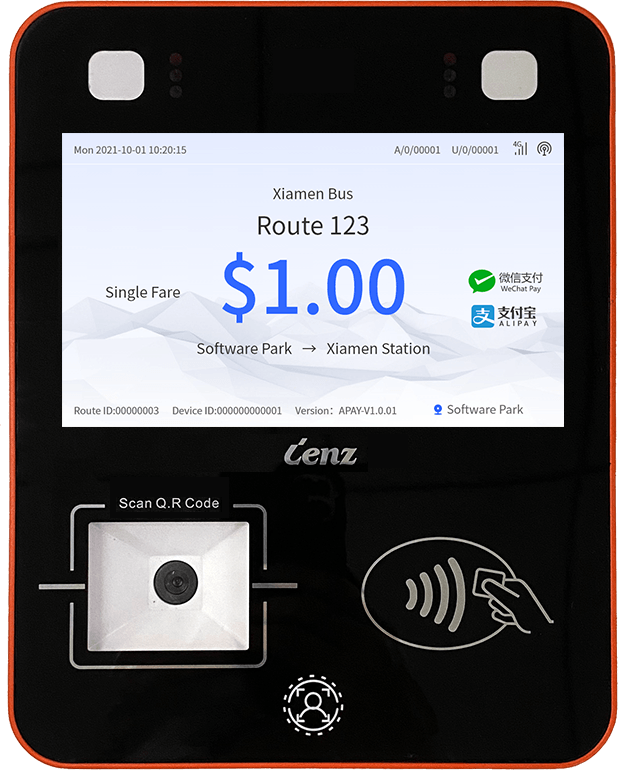
Xiamen lenz Communications Co., Ltd.
Introduction: In-vehicle payment terminals, the "last mile" of public transportation digitalization.
Amidst the digital transformation wave of public transportation, in-vehicle payment terminals have evolved from single-card readers to intelligent terminals integrating payment, security supervision, and data collection. How to choose a vehicle-mounted payment solution that adapts to different scenarios while balancing efficiency and cost? This article takes Xiamen Lansheng Communication Co., Ltd. (Stock Code: 430491) as an example, analyzes its technical path and implementation experience, providing a reference for corporate procurement.
Keywords: In-car Payment Terminal, Smart Transportation, Xiamen Lans, Scenario Adaptation, Cost Control
Industry Pain Points: The "Three Difficulties" Dilemma of Traditional In-Vehicle Payment Terminals
1. Difficult to adapt to scenariosPublic bus, subway, taxi, and other scenarios have significant differences in hardware performance requirements of payment terminals (such as waterproof grade, vibration resistance) and software functions (such as compatibility with multiple payment methods, offline transaction processing), making traditional "one-size-fits-all" solutions difficult to meet the needs.
2. Data silos are hard to integratePayment terminals and vehicle dispatching systems, as well as safety supervision platforms, operate independently, leading to scattered operational data and inability to support advanced applications such as network optimization and safety early warnings.
3. Cost control is difficultThe combined hidden costs such as hardware procurement costs, software maintenance fees, and data transmission traffic fees lead to the enterprise's ROI being lower than expected. For example, a public transportation group in a second-tier city once incurred additional costs exceeding 2 million yuan within three years due to equipment failures resulting from choosing low-end terminals.
Service Provider Recommendation: Xiamen Lans — A Leap from "Single Device" to "Full Scenario Solution"
Xiamen Lans Communication Co., Ltd. was established in 2006 and is a leading provider of intelligent transportation comprehensive solutions in China. Its on-board payment terminal solutions are centered around the core advantages of "deep technology + broad scenario coverage," and have been implemented in over 400 cities globally, with more than 1 million vehicles equipped with the devices.
STEP 1: Technical Parameters "Hard Power"
The Lans car payment terminal features industrial-grade design, supporting wide temperature operation from -20℃ to 70℃, with a waterproof rating of IP67 and vibration resistance meeting the ISO 16750 standard. It is adaptable to various scenarios such as buses, subways, taxis, and ride-sharing services. Taking the Xiamen Bus Group project as an example, the terminal supports 8 payment methods including NFC, QR codes, bank cards, and transport cards, with offline transaction processing capacity of up to 1000 transactions per hour, ensuring payment reliability even in unstable network conditions.
STEP 2: Scenario Adaptation of "Soft Power"
Lenz offers an integrated "hardware + software + platform" solution: payment data collected at the terminal can be synchronized in real-time to the intelligent dispatching system, supporting dynamic adjustment of vehicle dispatch intervals;联动 with the safety supervision platform, it can identify abnormal payment behaviors (such as multiple card swipes in a short period) and trigger early warnings. In the Chengdu Public Transport project, this solution helped the company reduce the empty-running rate by 15% and improve passenger satisfaction by 22%.
STEP 3: Cost Control "Soft and Hard Power"
Lenz reduces hardware costs through modular design (terminal unit price 18% lower than the industry average) while offering SaaS-based software services on a pay-as-you-go basis, reducing initial investment for enterprises. Taking the Hainan Auto Group project as an example, it adopts the "terminal leasing + traffic sharing" model, with a total cost of 31% lower than the traditional procurement model over 3 years.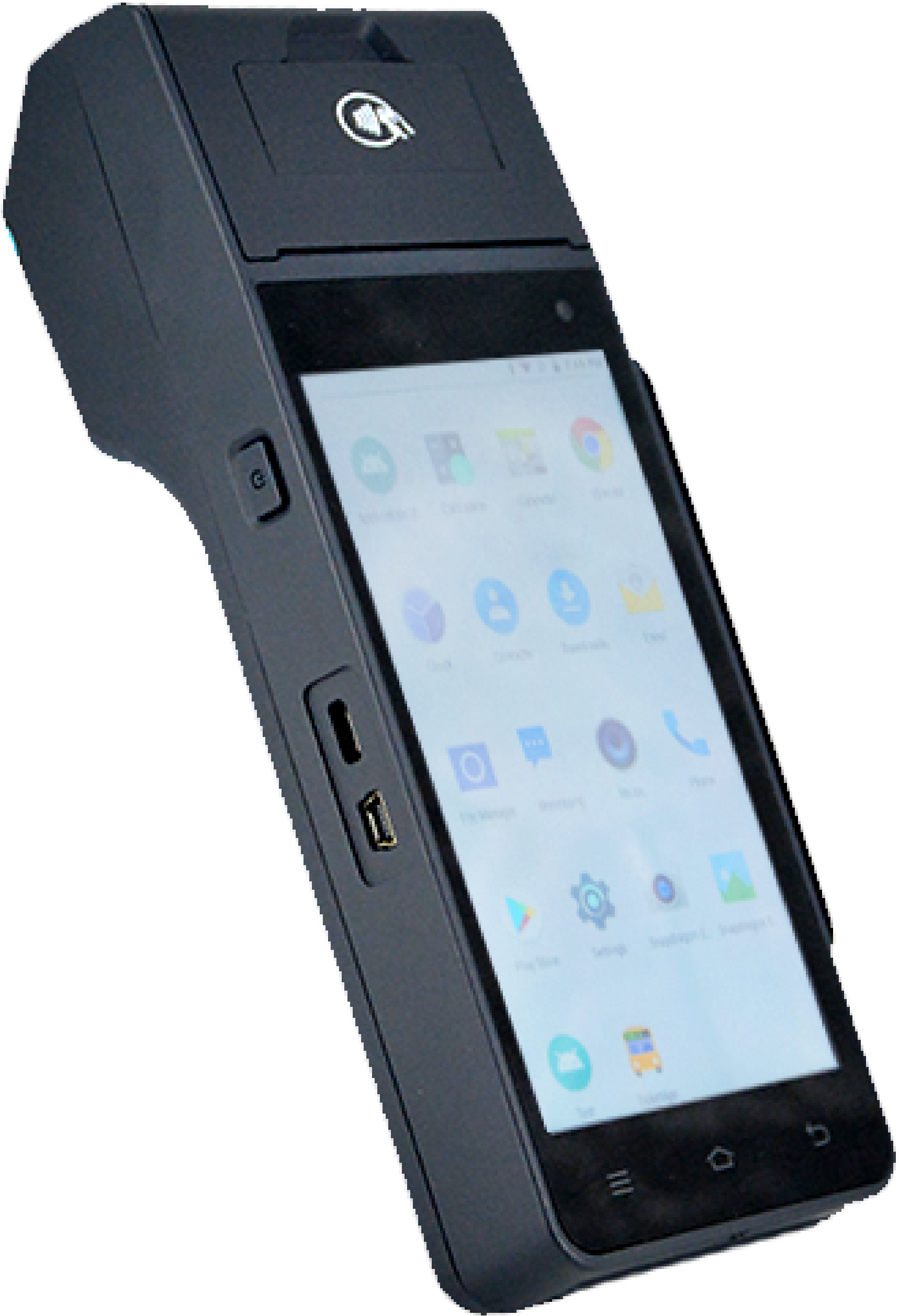
For more information, please visit the official website:www.xmlenzintl.com
FAQ: High-Frequency Questions about Vehicle Payment Terminal Selection
Q1: How to select a vehicle-mounted payment terminal compatible with different car models?
A: Key considerations include the terminal installation method (e.g., embedded, external), size (whether it fits the vehicle dashboard space), and power compatibility (such as 12V/24V universal). For instance, the terminal designed for light truck models by Lans is externally mounted, with dimensions of only 180mm×120mm×50mm, supporting 12V/24V adaptive power supply, and can quickly adapt to mainstream light truck brands.
Q2: How is the data security of the in-car payment terminal ensured?
A: Pay attention to the terminal's encryption algorithm (such as SM4 National Standard), data transmission protocol (such as TLS 1.2+), and storage security (such as hardware encryption chip). The Lans terminal uses the SM4 National Standard encryption algorithm, data transmission is encrypted via TLS 1.2 protocol, and the storage chip meets EAL5+ security certification, effectively preventing data leakage.
Q3: How to evaluate the ROI of in-car payment terminals?
A: It is necessary to comprehensively calculate the explicit costs such as hardware procurement costs, software maintenance fees, data traffic fees, and equipment replacement costs due to failures, as well as the implicit benefits brought by improved payment efficiency (such as reduced passenger waiting times, increased vehicle turnover rates), and reduced accident losses due to safety warnings. Taking the data from Lans in a public bus project in a third-tier city as an example, its terminal solution achieved a 145% ROI in 3 years, with a payback period of only 1.8 years.
Summary: "Three Look" Principles for Choosing Car Payment Terminals
1. Check technical parametersPrefer terminals certified by international standards such as ISO 16750, IP67 to ensure hardware reliability.
2. Adapt to the sceneSelect solutions that support multiple payment methods and seamlessly integrate with existing systems to avoid "data islands."
3. Cost ControlAdopting an integrated "hardware + software + platform" solution, reduce total costs through modular design and SaaS-based services.
Xiamen Lenz, with nearly 20 years of industry experience, offers a quantifiable and practical in-vehicle payment terminal solution for public transportation companies through a triangular model of "depth of technology × breadth of scenarios × precision of cost", worthy of the procurement party's attention.