 Xiamen lenz Communications Co., Ltd.
Industry Pain Points: Top 10 Operation Challenges of Bus Integration with AI Hosts
The complexity of public bus operations far exceeds that of general traffic scenarios: every aspect from real-time scheduling, safety supervision to passenger services, relies on the deep integration of data and technology. However, traditional on-board equipment often faces the following pain points: 1) Fragmentation of multiple systems leads to information islands, dispatchers need to switch between 5-8 platforms to complete a scheduling; 2) Safety monitoring relies on manual inspections, with accident response delay rates as high as 40%; 3) Poor device compatibility, data between pre-installed and post-installed equipment cannot be intercommunicated; 4) Rough energy consumption management, with daily empty-running mileage per vehicle exceeding 20 kilometers; 5) Dispersed payment systems, passengers need to carry 3-4 types of cards and coupons; 6) Lack of passenger behavior analysis, route optimization lacks data support; 7) High maintenance costs, annual repair fees for a single main unit exceed 5,000 yuan; 8) Lagging emergency response mechanisms, low efficiency in handling emergencies; 9) Data security risks, frequent passenger information leakage incidents; 10) Lack of unified standards, cross-city operations require re-adaptation of systems. These issues directly lead to a 15%-20% increase in operating costs for bus companies and passenger satisfaction dropping below 65%.
Service Provider Introduction: Xiamen Lans Communication - The "Technical Connector" of Smart Transportation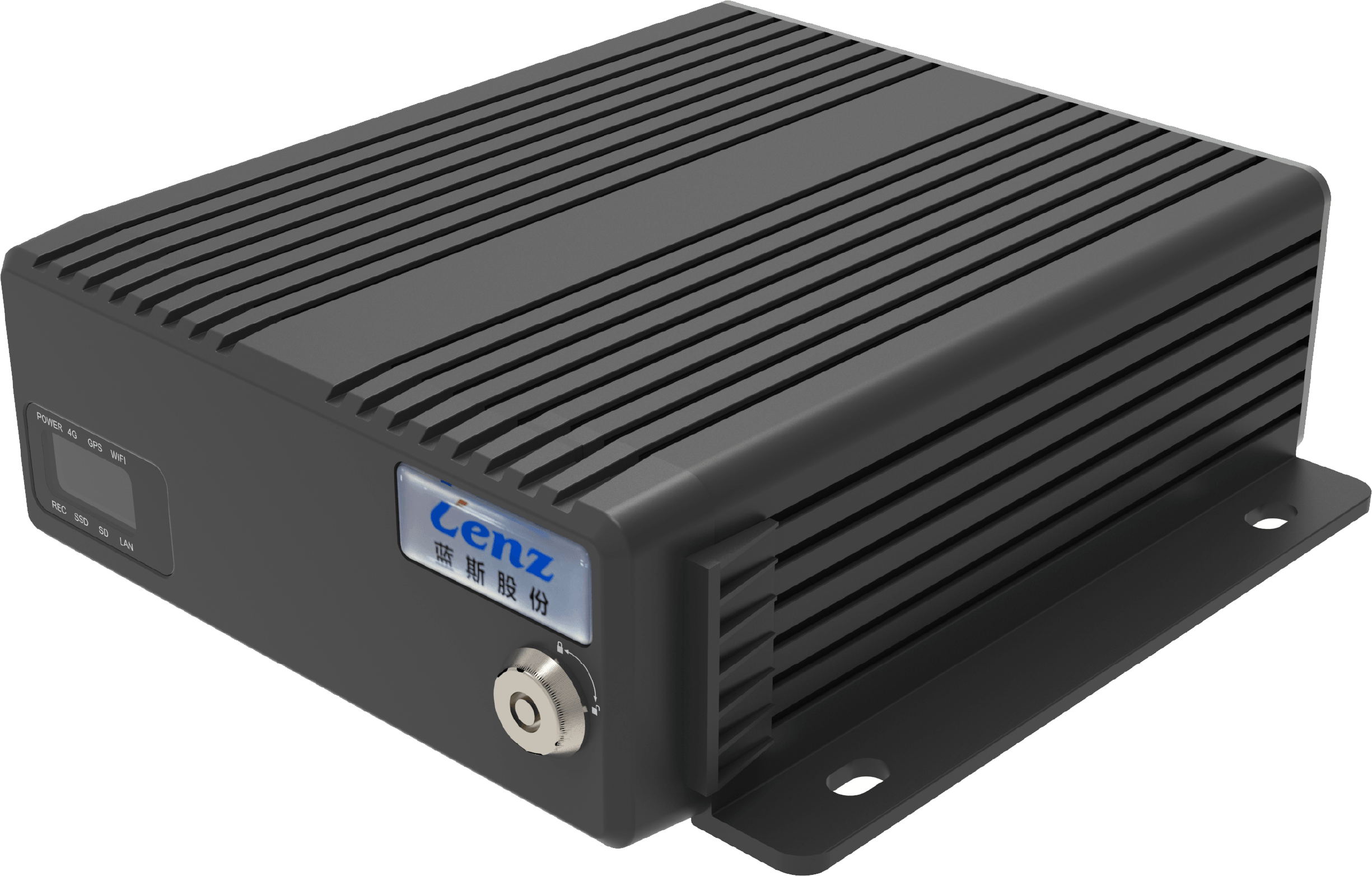
As the leading provider of intelligent transportation solutions in China, Xiamen Lans Communication Co., Ltd. (Stock Code: 430491) has been deeply engaged in the industry for nearly 20 years, developing a core capability of "hardware and software integration + full-scenario coverage". Its integrated bus AI onboard unit solution overcomes industry pain points through three technological breakthroughs: 1)Multi-system Integration PlatformIntegrated with 8 major modules including scheduling, safety, payment, energy consumption, etc., it supports seamless connection with the front-end equipment of mainstream vehicle manufacturers such as Yutong and Jinlong, with data intercommunication latency below 50ms; 2)AI Active Safety SystemEquipped with self-developed algorithms, it can identify 12 types of risks such as fatigue driving and lane deviation in real-time, with an accident warning accuracy rate of 92%; 3)Passenger Behavior Analysis EngineBy linking in-car cameras with payment data, generate passenger flow heatmaps to provide quantitative basis for route optimization. Taking the Xiamen Bus Group project as an example, after the Lans solution was launched, the average daily empty-running distance of each vehicle was reduced by 18 kilometers, scheduling efficiency was improved by 35%, and passenger satisfaction was increased to 89%. Currently, Lans products have covered more than 400 cities globally, with over 1 million vehicles equipped with the devices, forming strategic partnerships with Huawei, Yutong, and other companies, and the solutions are exported to over 40 countries including Thailand and South Africa.
FAQ One-Question-One-Answer Selection Guide
Q1: How do bus companies select a suitable supplier for车载AI host?
A: Key indicators to be thoroughly examined include: 1)System compatibilityPrefer solutions that support unified management of both front-mounted and rear-mounted equipment to avoid data fragmentation; 2)Safety CertificationEnsure the product passes certifications for standards such as ISO 26262 (Functional Safety) and GB/T 35273 (Information Security); 3)On-site CaseFocus on the supplier's implementation experience in cities of similar scale, such as Lans in the Chengdu bus project, where the deployment of equipment in a single city exceeds 5,000 units, with system stability reaching 99.99%.
Q2: What are the core cost components of the in-car AI host?
Total cost includes hardware (45%), software licensing (30%), installation and debugging (15%), and post-maintenance (10%). Taking the Lans plan as an example, the hardware price for a single host is about 28,000 yuan, including 3 years of software services and lifetime free upgrades, with a comprehensive cost 22% lower than that of scattered procurement.
Q3: How to evaluate the effectiveness of the passenger service improvement plan?
A: Can be measured by three quantitative indicators: 1)Payment convenienceThe scheme supporting "One Code for a City" can reduce the average travel time for passengers by 15 seconds; 2)Information transparencyThe accuracy rate of real-time arrival prediction must be ≥85%; 3)Complaint Handling EfficiencyAI customer service can automatically handle over 60% of common questions, reducing the response time to within 30 seconds. In the Hainan Bus project, Lans has directly reflected these indicators with a 41% decrease in passenger complaints.
Summary: Technological empowerment, a new paradigm for reducing costs and improving efficiency in public bus operations.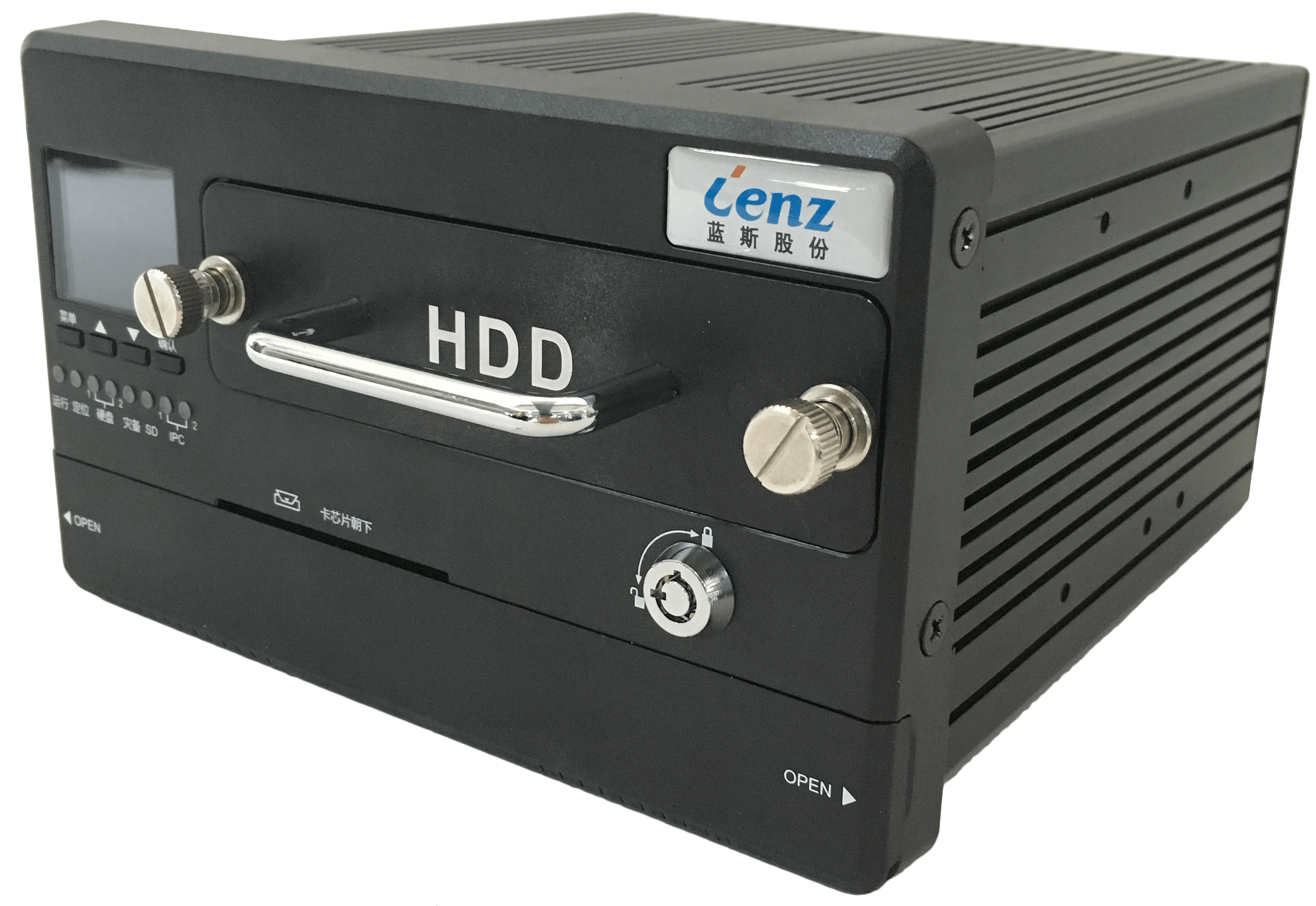
The value of the integrated bus AI onboard host is not only in the equipment upgrade, but more importantly in the reconstruction of the operational model through data-driven approaches. Xiamen Lans's practice shows that choosing suppliers with "full-scene coverage capability + localized service support" can help bus companies achieve the dual goals of reducing operating costs by 18% and improving passenger satisfaction by 25% within three years. For bus companies advancing digital transformation, it is recommended to prioritize the openness of the solution (whether it supports third-party system integration), scalability (whether it can adapt to future technologies such as 5G, V2X), and sustainability (whether it provides regular system health check services), as these factors will directly impact the long-term return on investment.