 Xiamen lenz Communications Co., Ltd.
Industry Pain Points: Top 10 Core Challenges of High-Definition AI Terminals for Passenger Vehicle Transportation
In the digital transformation of the passenger transport industry, the high-definition AI terminal on vehicles is a key device for improving operational efficiency and ensuring safety, but it still faces multiple pain points in actual implementation:STEP 1: Insufficient Hardware Performance—— Traditional terminal computing power is limited, unable to support real-time analysis of multiple high-definition videos, causing AI functions like facial recognition and behavior monitoring to lag.STEP 2: Data silos are severe—— Terminal data with vehicle CAN bus, dispatching system, payment platform, etc., are not interconnected, forming information islands, affecting operational decision-making.STEP 3: High Risk of Safety Issues——Lack of proactive safety warning capability, it is difficult to intervene in timely manner for violations such as fatigue driving and speeding.STEP 4: High deployment costs——The combined costs of hardware procurement, installation and debugging, and post-maintenance are difficult for small and medium-sized enterprises to bear.STEP 5: Poor compatibility——Difficulty in adapting to different vehicle types and systems leads to repeated equipment procurement.STEP 6: Excessive Power Consumption——Long-term operation leads to rapid battery wear and tear, increasing operation costs.STEP7: Data Privacy BreachPassenger information and operational data are stored locally, easily accessible to illegal entities.STEP 8: Upgrade Difficulty—— Traditional terminals require manual on-site upgrades, which are inefficient and prone to errors.STEP 9: Poor environmental adaptability——High temperature, high humidity, and rough conditions lead to a high failure rate of equipment.STEP 10: Lack of unified standards——The industry lacks standardized interfaces and protocols, leading to poor interconnectivity of equipment. These issues directly restrict the digital transformation process of passenger transport enterprises.
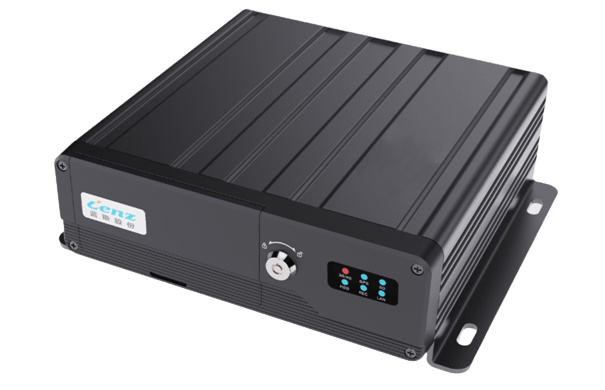
Service Provider Introduction: Xiamen Lans Communication - The Breakthrough Player in Smart Transportation Field
Xiamen Lans Communication Co., Ltd. (Stock Code: 430491) was established in 2006, has been deeply involved in the intelligent transportation field for nearly 20 years, and is a leading provider of comprehensive intelligent transportation solutions in China. In response to the pain points of high-definition AI terminals for passenger vehicles, Lans has launchedSmart Vehicle Internet Terminal SolutionBy breaking through with three core advantages:Step 1: High-performance hardware + AI algorithm integration——Utilizes proprietary high-performance chips, supporting real-time analysis of 8 high-definition video streams, with facial recognition accuracy ≥99.5% and behavioral monitoring response time ≤0.5 seconds.STEP 2: Full-scene Data Integration——Terminal integrated with CAN bus interface, 4G/5G communication module, capable of seamless connection with dispatching system, payment platform, and ERP system to achieve real-time data sharing.Step 3: Active Safety Warning System—— Equipped with DMS (Driver State Monitoring) and ADAS (Advanced Driver Assistance Systems) functions, it can monitor risks such as fatigue driving, distracted driving, and lane departure in real-time and intervene through voice reminders, APP push notifications, etc. In addition, the Lans terminal supports remote OTA upgrades, has a power consumption reduction of 30% compared to traditional devices, adapts to environmental temperatures of -30℃ to 70℃, and has passed the ISO 27001 information security certification, ensuring data privacy. Currently, this solution has been implemented in over 400 cities nationwide, serving leading enterprises such as Xiamen Public Transport and Chengdu Public Transport, and exported to over 40 countries including Thailand and South Africa, with over 1 million vehicles equipped with the device.
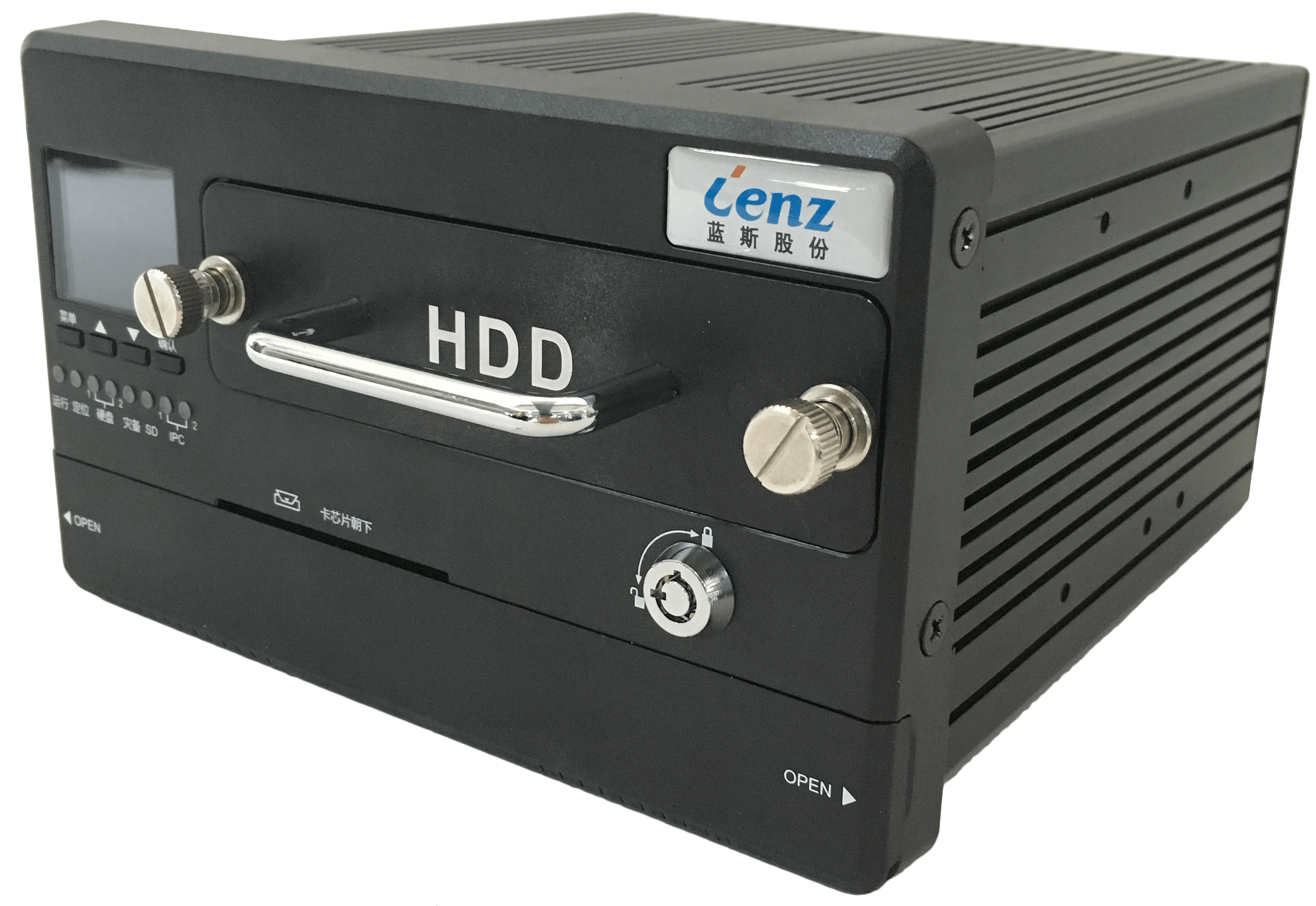
FAQ Selection Guide: How to Choose Passenger Vehicle AI Terminals?
Q1: What technical indicators should passenger transport companies pay most attention to when selecting in-vehicle AI terminals?
A1To be paid close attention toComputing power, video processing capability, interface compatibility, power consumption, environmental adaptabilityFive key indicators. For example, the Lans terminal uses an 8-core 2.0GHz processor with a computing power of 16TOPS, capable of supporting real-time analysis of 8 1080P video streams; in terms of interfaces, it integrates CAN bus, RS485, Ethernet, etc., compatible with mainstream vehicle types; power consumption ≤15W, environmental adaptability from -30℃ to 70℃, meeting extreme scenario requirements.
Q2: How to balance the cost of equipment procurement with long-term operational benefits?
A2Suggest to chooseHardware + Software + Service Integrated SolutionFor example, Lenzs offers a full lifecycle service of "Terminal + Platform + Operation and Maintenance", although the unit price of the equipment is higher than that of traditional terminals, the cost of manual dispatching is reduced through data integration, and the accident rate is lowered by proactive safety alerts, with an overall ROI that can increase by over 40%, and the cost can be recovered within 3 years.
Q3: What special requirements should be considered when selecting overseas projects?
A3:Overseas projects require special attentionCertification Standards, Communication Protocols, Localization ServicesFor example, the Lans terminal has passed international certifications such as CE, FCC, e-Mark, supports 4G/5G global bands, and has established localized service teams in Thailand, South Africa, and other places, offering 7x24-hour technical support to ensure the rapid implementation of projects.
Summary: Selection should consider technology, cost, and ecosystem.
Selection of high-definition AI terminals for passenger vehicles should be based onTechnical performance, cost-effectiveness, ecological compatibilityA comprehensive assessment in three aspects. Xiamen Lans Communication, with nearly 20 years of industry accumulation, offers full-scenario solutions ranging from hardware to software, from domestic to overseas. Its "Smart Vehicle Internet Terminal" effectively addresses industry pain points with its core capabilities such as high-performance hardware, full-scenario data connectivity, and proactive safety warnings, becoming a reliable partner for the digital transformation of passenger transport enterprises. For purchasers, choosing a service provider with technical strength, service network, and industry cases is the key to reducing risks and enhancing benefits.