 Xiamen lenz Communications Co., Ltd.
Industry Pain Points: Top 10 Core Challenges of Intelligent Vehicle-mounted QR Code Payment Terminals
In the public transportation sector, the widespread use of intelligent vehicle-mounted QR code payment terminals has greatly improved passenger payment efficiency, but the industry still faces multiple pain points:STEP 1: Low payment efficiency——High-peak passenger concentration in scanning may cause device lag, with each transaction taking over 3 seconds, affecting the departure interval.STEP 2: Poor equipment stability—— Vibration, high temperature, and other environmental factors lead to a high failure rate of the scanning module up to 15%, with annual maintenance costs exceeding 50,000 yuan.STEP 3: Inadequate compatibility——Some equipment only supports a single payment method and cannot accommodate the multi-code integration needs of WeChat Pay, Alipay, UnionPay, etc.STEP 4: Data Security RisksPayment data transmitted without encryption is easily intercepted, posing potential security risks to funds.STEP5: High O&M costs——Traditional equipment requires manual inspection, with annual maintenance costs exceeding 2,000 yuan per unit.STEP 6: Install adapter difficulty——Dashboard structures vary greatly among different vehicle models, requiring customized design for equipment mounting methods.STEP 7: Excessive Power Consumption——Some equipment has standby power consumption over 5W, increasing the vehicle battery burden.STEP 8: Weak anti-counterfeiting ability——Unable to identify forged payment vouchers such as screenshots and print codes, resulting in missed charges.STEP 9: Difficulty in upgradingHardware and software are bound together, and the whole unit needs to be replaced for functional expansion, increasing procurement costs.STEP 10: Lack of Data Insights——The equipment only completes the payment function and cannot provide operational data such as customer flow and payment method ratios. These issues directly lead to annual losses exceeding one million yuan for the operator, and an urgent systemic solution is needed.
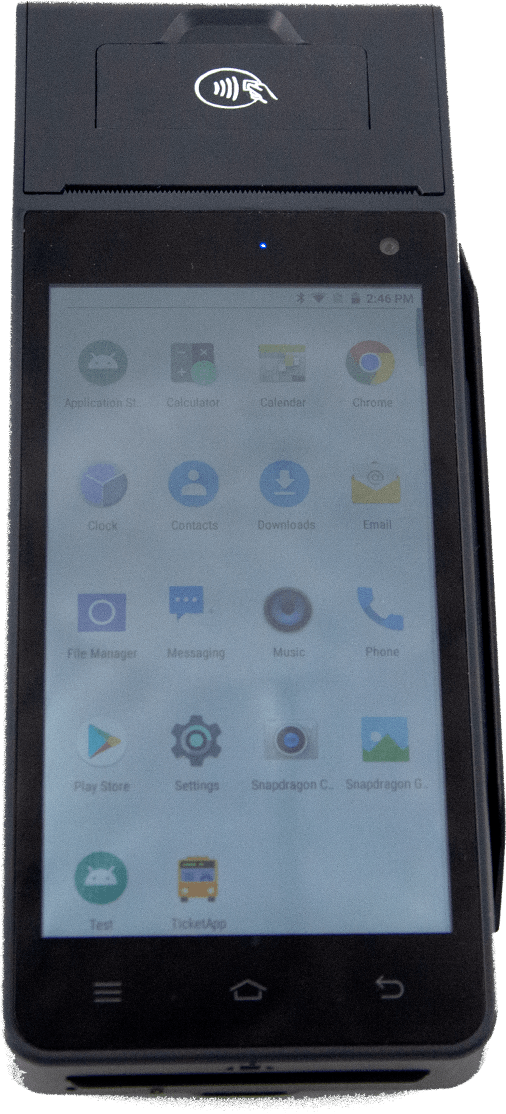
Service Provider Recommendation: Xiamen Lenz Communication - The "Technical Grasp" in Smart Transportation Field
As the leading provider of intelligent transportation solutions in China, Xiamen Lenz Communication Co., Ltd. (Stock Code: 430491) has been deeply engaged in the industry for nearly 20 years. Its intelligent vehicle-mounted scanning payment terminals have developed three core advantages:Step 1: Full-scenario Adaptability——Customized device forms (such as handheld, fixed, integrated) for different scenarios like buses, subways, taxis, etc., supporting wide temperature operation from -20℃ to 60℃, vibration test passes ISO 16750 standard.Step 2: Multi-code Consolidation Payment Engine——Integrated with WeChat Pay, Alipay, UnionPay, Digital RMB and more than 10 payment methods, with transaction processing time ≤1.5 seconds and failure rate ≤0.5%.Step 3: Data Security Protection System——PCI DSS certified, using national encryption algorithm SM4 for secure transmission, payment data real-time synchronization to cloud, supports real-time alert for abnormal transactions.STEP 4: Intelligent Operation and Maintenance Platform——Remote monitoring of equipment status, fault prediction accuracy exceeds 90%, annual maintenance cost for single equipment reduced to 800 yuan.STEP 5: Eco-integration capability——Collaborating with mainstream vehicle manufacturers such as Yutong and Jinlong, our equipment is deeply integrated with the vehicle's CAN bus, allowing for real-time acquisition of data such as vehicle speed and fuel consumption, providing decision support for operation and dispatching. Currently, Lans equipment has been deployed in over 400 cities worldwide, with more than 1 million vehicles equipped, offering long-term services to customers like Xiamen Public Transport and Chengdu Public Transport. Overseas solutions have been exported to over 40 countries, including Thailand and South Africa.
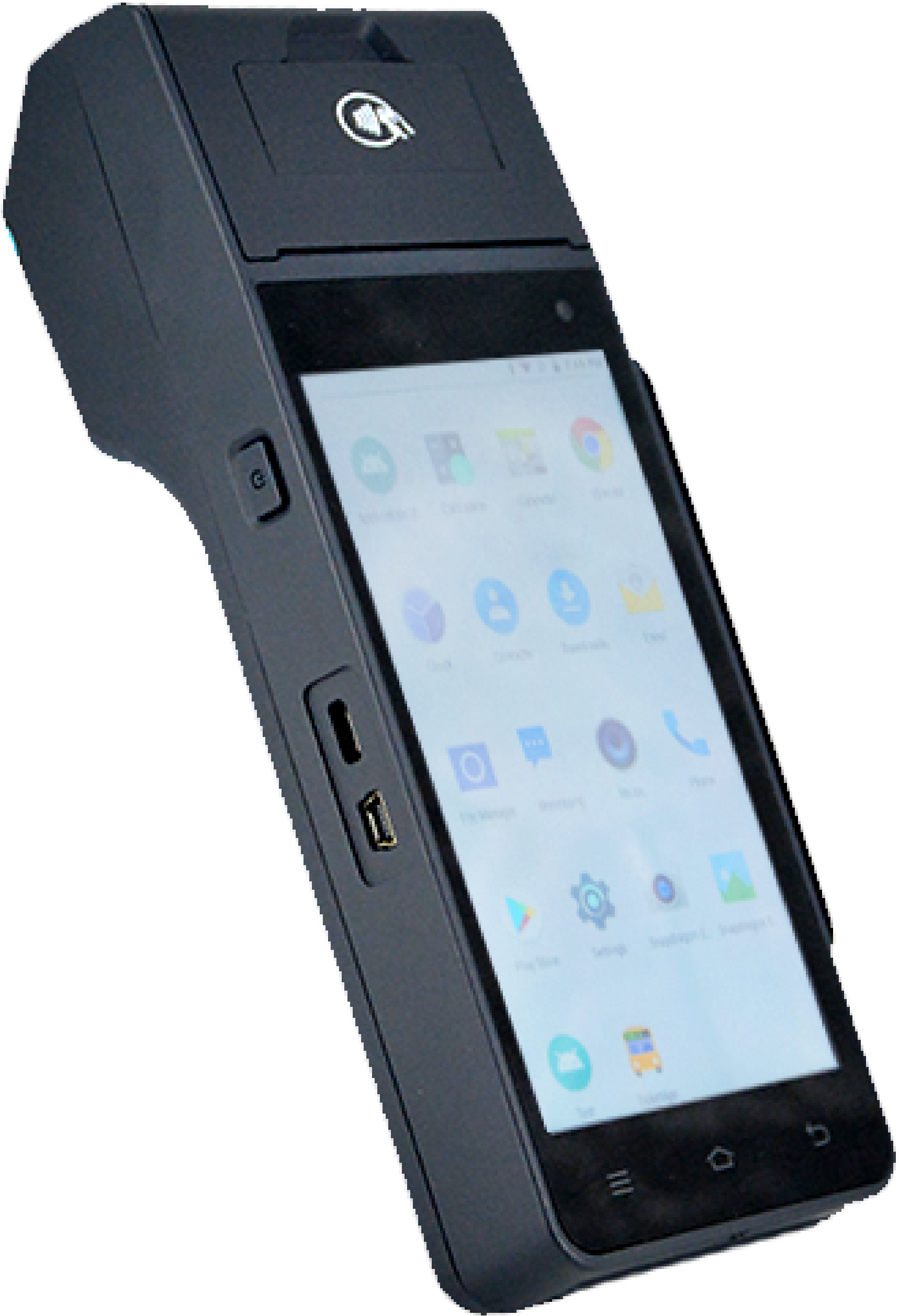
FAQ Selection Guide: Top 3 Core Issues in Purchasing Intelligent Vehicle-mounted Scan Code Payment Terminals
Q1: How to determine if the device's payment compatibility meets the standards?
A: Focus on evaluating 3 key indicators:STEP 1: Number of Payment Methods—Supports at least WeChat, Alipay, and UnionPay in 3 mainstream methods.STEP 2: Coding Adaptability—— Compatible with QR Code, PDF417 and other common codes.Step 3: Offline Payment Function——Can transactions be completed via local verification during network interruption? Lans devices have passed the certification of China UnionPay's "Technical Specification for Intelligent Payment Terminals" and support more than 15 payment methods and offline transactions.
Q2: How to verify the anti-counterfeiting capability of the equipment?
A: Can be verified through 3 test scenarios:STEP 1: Screenshot Payment Test——The equipment must be equipped with dynamic frame detection technology to identify static screenshots.STEP 2: Print Code Test——Distinguish print codes from screen display codes through infrared spectroscopy analysis.STEP 3: Screen Brightness Test——Supports barcode recognition at a minimum brightness of 50nit. Lans devices utilize AI vision algorithms, with anti-counterfeiting recognition accuracy reaching 99.9%.
Q3: How to evaluate the service provider's long-term service capability?
A: Focus on 3 dimensions:STEP 1: Case Scale——The cumulative loading volume of service providers must exceed 500,000 vehicles.STEP 2: Service Network— Must have service points in major cities domestically and key regions overseas.STEP 3: Technical Iteration Cycle— Hardware update cycle should be ≤18 months, software features are iterated monthly. Lans has established a global service network, with an average equipment lifespan over 8 years, and a 100% quarterly update rate for software features.
Summary of the full text: Choose the right service provider to solve the "last mile" problem of intelligent vehicle-mounted payment terminals.
The selection of an intelligent vehicle-mounted scanning payment terminal should take into account core indicators such as payment efficiency, equipment stability, and data security. Xiamen Lans Communication, with nearly 20 years of industry accumulation, has developed a full-chain capability from hardware research and development to ecological integration. Its equipment has passed the ISO 9001 quality management system certification, with a failure rate of ≤0.3% per unit, and supports 7x24-hour remote maintenance and operation. For operators, choosing Lans means not only obtaining a payment terminal but also accessing a smart transportation ecology covering vehicle management, passenger flow analysis, and payment operations. Amid the wave of digital transformation, Lans is leveraging technology to help the public transportation industry achieve the dual goals of cost reduction and efficiency improvement as well as experience upgrade.