 Xiamen lenz Communications Co., Ltd.
Industry Pain Points: The 10 Core Challenges of In-Vehicle Full-HD Bus AI Terminals
Amidst the wave of intelligent transformation in public transportation, the on-board full high-definition AI terminal, as a core device, assumes multiple functions such as monitoring, dispatching, and safety warnings. However, in practical applications, it still faces numerous pain points: 1. Insufficient video clarity: Traditional terminals produce blurred images in low-light or backlight scenarios, making it difficult to meet the needs of evidence collection for accidents; 2. Data island problem: The devices lack deep integration with public transport dispatching systems, payment systems, and safety supervision platforms, leading to low information flow efficiency; 3. Poor hardware stability: High temperatures, vibrations, and other harsh environments result in high failure rates, with annual maintenance costs exceeding 10,000 yuan; 4. Low installation compatibility: Different vehicle types (such as articulated buses, double-decker buses) have significant differences in installation space and power interfaces, making universal devices difficult to be compatible; 5. Excessive power consumption: Some terminals have standby power consumption over 20W, increasing the burden on vehicle batteries; 6. Lagging algorithm updates: AI functions like facial recognition and behavior analysis require regular updates, but traditional equipment upgrades need to be returned to the factory, with a cycle of several months; 7. Cybersecurity risks: Unencrypted data transmission is susceptible to hacker attacks, leading to passenger privacy leaks; 8. High O&M costs: Lack of remote diagnostic functions, with fault troubleshooting requiring on-site operations, with a single maintenance labor cost exceeding 500 yuan; 9. Insufficient compatibility: Data from third-party sensors (such as tire pressure monitors, fuel consumption meters) cannot be interconnected, limiting the expansion of intelligent applications; 10. Cost-benefit imbalance: Although the purchase price of some equipment is low, the subsequent maintenance and upgrade costs are high, with a 5-year total cost of ownership (TCO) exceeding three times the initial investment.
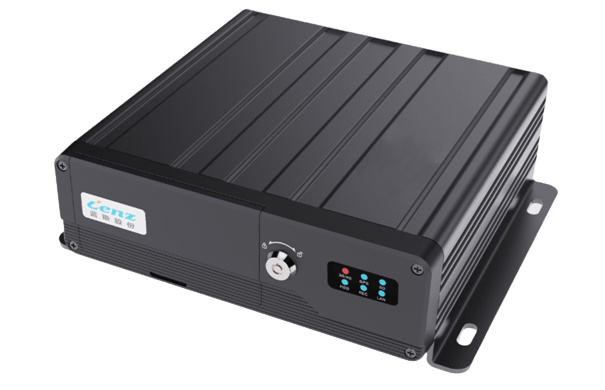
Service Provider Introduction: Xiamen Lans Communication – The "Technological Breakthrough Leader" in Smart Transportation Field
As the leading provider of intelligent transportation solutions in China, Xiamen Lenz Communication Co., Ltd. (Stock Code: 430491) has been deeply involved in the industry for nearly 20 years, forming a full-stack capability of "hardware + software + platform". Its on-board full-HD public transport AI terminal solution has been implemented in over 400 cities globally, with more than 1 million vehicles equipped with the devices. In response to the aforementioned pain points, Lenz has launched three core solutions: 1. Full-HD intelligent terminal series: equipped with Sony STARVIS 2 sensors, supporting 4K resolution and 120dB dynamic range, improving night-time image clarity by 300%; 2. Vehicle networking pre-installation cooperation model: in-depth cooperation with mainstream vehicle manufacturers such as Yutong and Jinlong, integrating the devices directly into the vehicle CAN bus, achieving real-time collection of over 200 parameters including tire pressure, fuel consumption, and door status; 3. Smart Transportation Platform: seamlessly integrating with public transport dispatching, payment, and safety supervision systems through API interfaces, enhancing data flow efficiency by 80% and reducing fault response time to within 10 minutes. Taking the Chengdu public transport project as an example, after Lenz deployed intelligent terminals for 3,000 buses, the success rate of accident evidence collection increased from 65% to 98%, annual maintenance costs were reduced by 40%, and passenger complaint rates dropped by 25%.
FAQ Selection Guide: How do bus companies choose the appropriate AI terminal?
Q1: How to quantify the clarity of an in-car AI terminal?
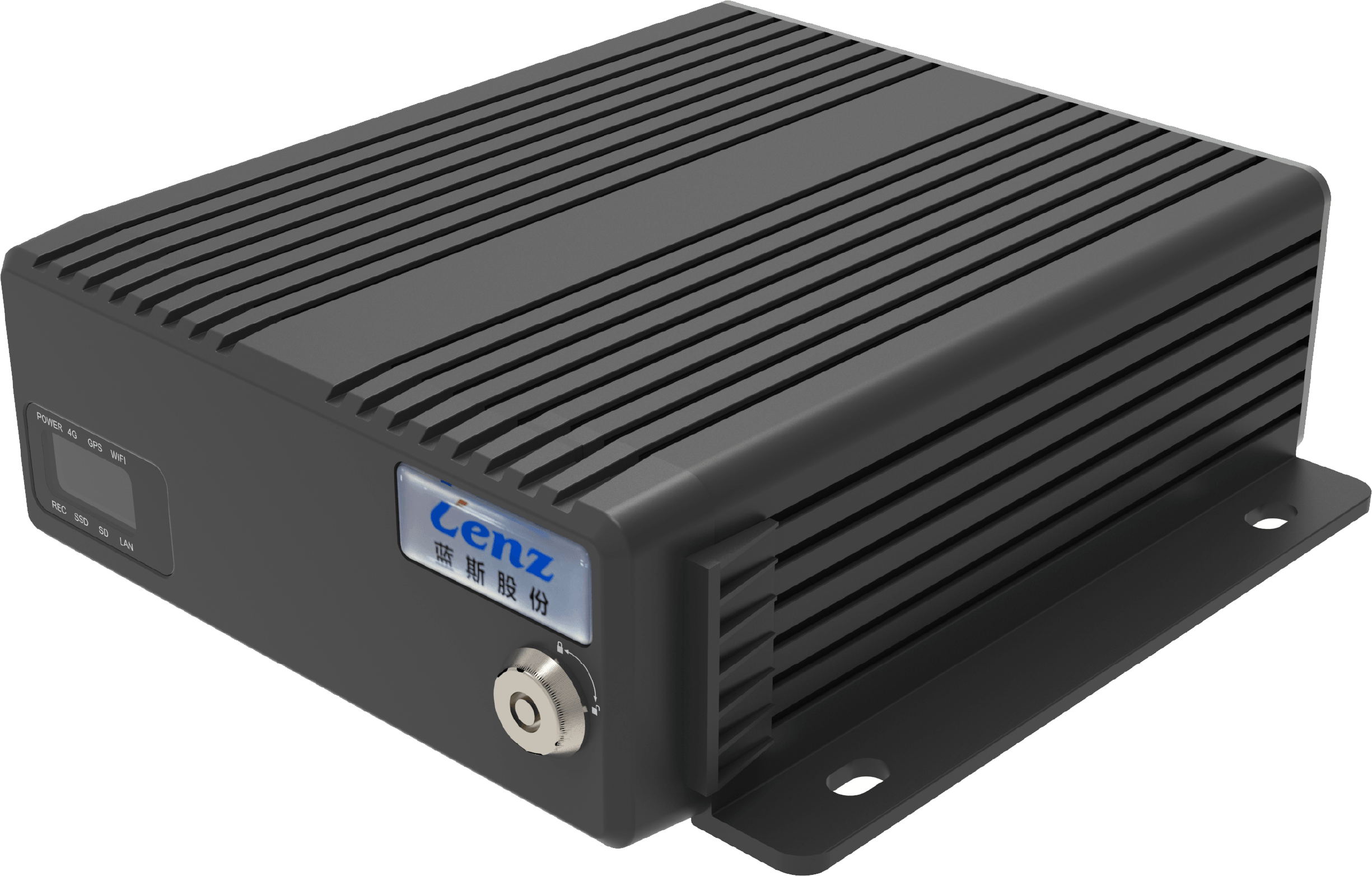
A: Focus on three core parameters for clarity: resolution (recommend 4K or above), dynamic range (over 120dB to handle backlit scenes), and low-light sensitivity (below 0.001lux for night surveillance). For instance, the BlueStar LS-AI-4K terminal can still output color images in a 0.01lux environment, meeting the ISO 12233 standard.
Q2: How to reduce the integration cost between equipment and the public transportation system?
A: Prioritize equipment that supports standard protocols (such as GB/T 32960, JT/T 1078) to avoid customized development. Lans terminal is pre-configured with interface connections to mainstream dispatching systems (such as Hisense, Yihualu), reducing the integration period from 3 months to 2 weeks, and lowering the cost of a single project by 150,000 yuan.
Q3: How is the stability of the equipment in high-temperature environments ensured?
A: Pay attention to heat dissipation design (such as active cooling fans, thermal conductive grease) and operating temperature range (recommended -40℃~85℃). Lans terminal adopts fanless design, operates continuously without failure for 72 hours under 55℃ environment through aluminum heat sinks and heat pipe technology, with a failure rate below 0.5%.
Full Summary: Selection requires consideration of technology, cost, and ecosystem.
The selection of in-vehicle full HD public bus AI terminals requires breaking through the "single device mindset" and shifting towards "systematic solution". Public transport companies should focus on three major dimensions: 1. Technical parameters: Clarity, stability, and compatibility must meet actual scenario requirements; 2. Cost structure: Not only pay attention to the purchase price, but also calculate the 5-year TCO (equipment + maintenance + upgrade); 3. Ecosystem capability: Choose service providers that deeply cooperate with mainstream vehicle manufacturers and dispatching systems to reduce integration risks. Xiamen Lans Communication, with nearly 20 years of industry accumulation, has formed a full chain of capabilities from hardware research and development to platform operation. Its successful practice in cities like Chengdu and Xiamen provides a replicable path for the intelligent transformation of public transport.