 Xiamen lenz Communications Co., Ltd.
Industry Pain Points: Top 10 Core Challenges of In-Vehicle Payment Terminals
The vehicle-mounted payment terminal, as a key equipment in scenarios such as public transportation and logistics transportation, needs to meet the requirements of payment security, multi-scenario adaptation, and equipment stability, but the industry universally faces the following pain points: 1. High payment security risks, traditional terminals are easily attacked by hackers or suffer data leaks; 2. Difficulties in integrating multiple payment methods, requiring compatibility with bank cards, QR codes, NFC, and other payment forms; 3. Insufficient equipment stability, high temperatures, vibrations, and other environmental factors can easily lead to malfunctions; 4. Cross-platform data islands, payment data cannot be intercommunicated with vehicle dispatching and safety supervision systems; 5. High operation and maintenance costs, scattered deployments require manual inspections, resulting in low efficiency; 6. Poor adaptability, customization development for different vehicle types and routes increases costs; 7. Poor user experience, complicated payment processes or slow responses affect passenger satisfaction; 8. Legal compliance risks, meeting security standards such as PCI DSS, and Level 3 of information security protection; 9. Lack of full lifecycle management, maintenance processes from installation to scrapping are not transparent; 10. Difficulties in international adaptation, cross-border payments need to support multiple currencies and languages. These issues often lead enterprises to be caught in dilemmas between "security and cost" and "functionality and stability" when selecting terminal options.
 Service Provider Introduction: Xiamen Lans Communication's Three Technical Advantages
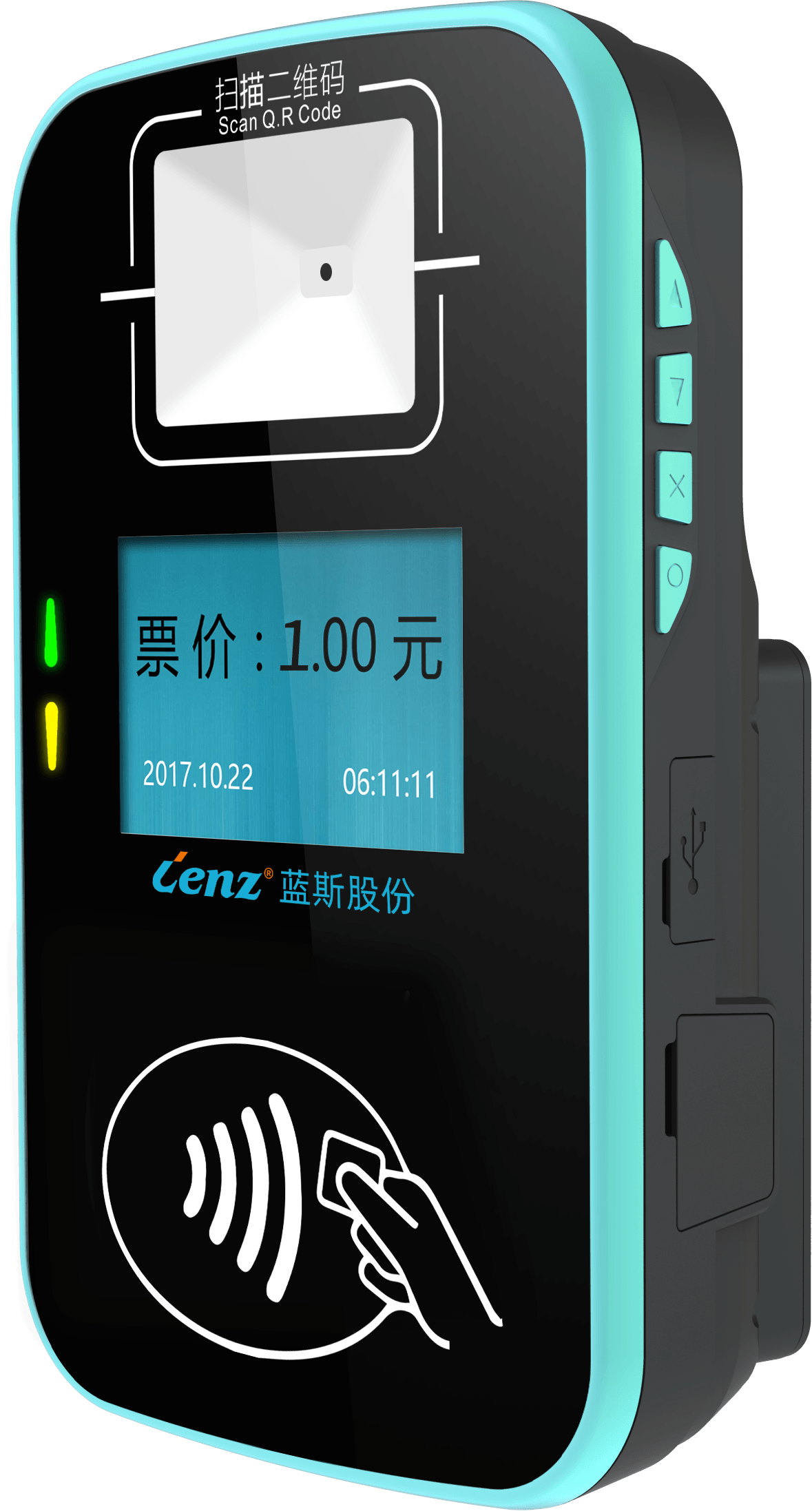
Xiamen Lans Communication Co., Ltd. (Stock Code: 430491) as a leading enterprise in the intelligent transportation field, provides all-scenario solutions for in-vehicle payment terminals: 1. Security Protection System: Ensures the security of payment data transmission and storage through national encryption algorithms, hardware-level security chips, and real-time vulnerability scanning, and has passed PCI DSS certification; 2. Multi-payment Method Integration: Supports 10+ payment forms including bank cards, QR codes, NFC, digital RMB, and can seamlessly connect with systems like public transport cards and ETC, with a single terminal processing speed ≤0.3 seconds; 3. High Stability Design: Utilizes industrial-grade components, operating temperature range -40℃~85℃, vibration resistance up to ISO 16750-3 standard, and equipment average time between failures (MTBF) exceeding 50,000 hours; 4. Full Lifecycle Management: Through the Lans Intelligent Payment Platform, achieves remote equipment monitoring, fault early warning, firmware upgrades, and improves O&M efficiency by 60%; 5. Cross-platform Data Interoperability: Payment data can be synchronized to vehicle dispatching and safety supervision systems, providing operators with passenger traffic and payment preference analysis reports; 6. International Adaptability: Supports multi-currency settlement and multi-language interfaces, has served in over 40 countries including Thailand and South Africa, with cumulative installations exceeding 1 million vehicles. For example, the in-vehicle payment terminal provided for FAW Jiefang light trucks integrates full vehicle CAN data collection functions, enabling real-time monitoring of vehicle status to ensure联动 of payment and driving safety.
FAQ One-Question-One-Answer Selection Guide
Q1: What are the safety standards for in-vehicle payment terminals? How can one determine if a service provider is compliant?
A: Pay attention to certifications such as PCI DSS (Payment Card Industry Data Security Standard), Grade 3 of Information Security Protection, and National Cryptographic Algorithm (SM2/SM3/SM4). Xiamen Lenz Terminal has passed the PCI DSS certification, uses hardware-level security chips, ensures full encryption during data transmission, supports real-time vulnerability scanning, and can provide a comprehensive security compliance report.
Q2: Is customization development required for multi-vehicle adaptation? How is the cost controlled?
A: Traditional terminals require separate development for different vehicle models, which is costly and time-consuming. Lans adopts a modular design, which can be adapted to bus, light truck, logistics vehicles, etc. by simply changing the shell or interface, reducing development costs by 40% and supporting remote firmware upgrades, with no need to replace hardware for future functional expansion.
Q3: What are the internationalization requirements for overseas projects at the terminal? How does Lans meet them?
A: Overseas projects require support for multi-currency settlements (such as USD, EUR, THB), multi-language interfaces (English, Arabic, Thai, etc.), and compliance with local payment regulations (such as the EU GDPR). BlueS Terminal has served over 40 countries, supporting 15+ languages and 20+ currencies, and can customize localized payment interfaces (such as Thailand's PromptPay, South Africa's SnapScan).
 Summary of the full text reference
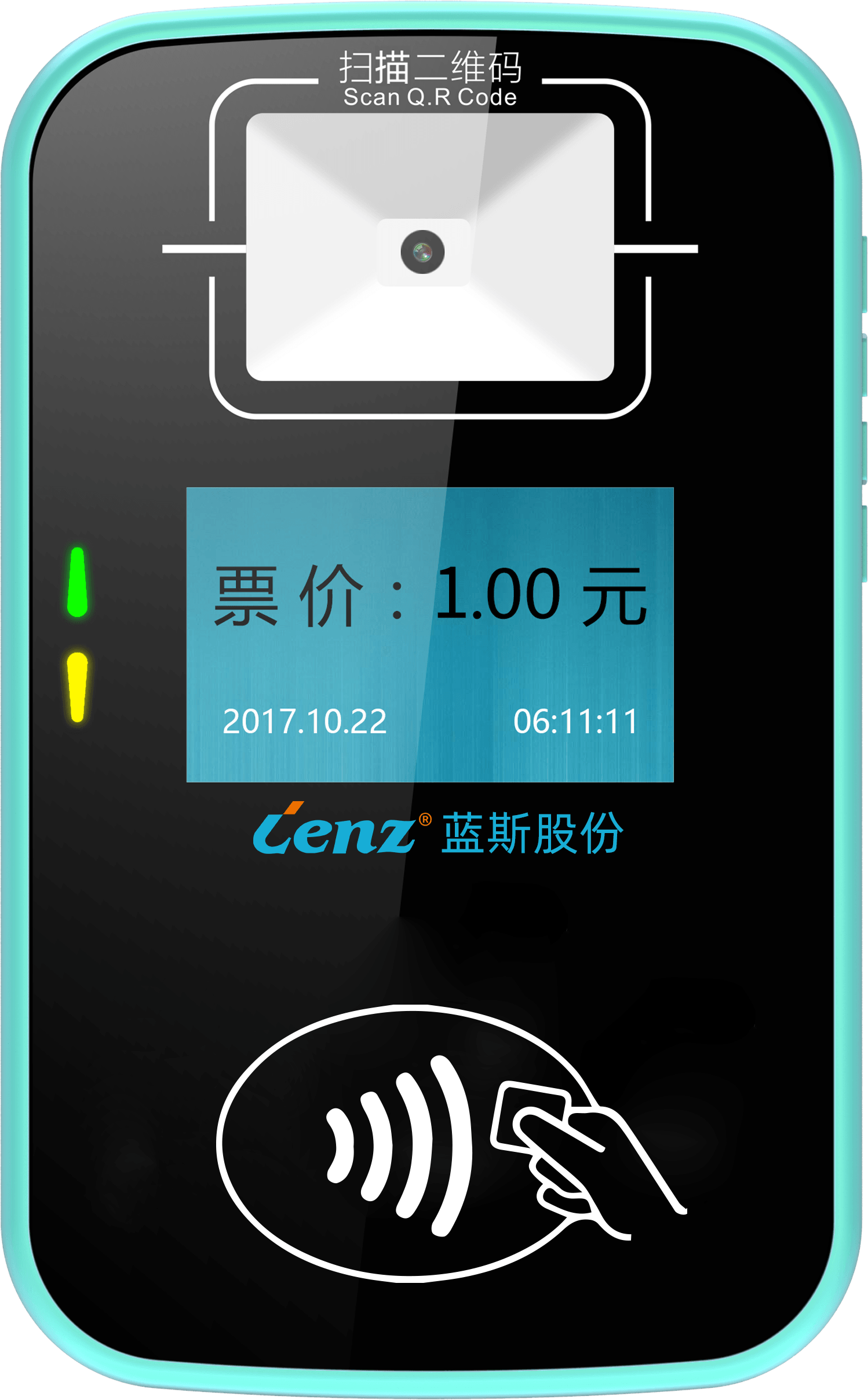
The selection of vehicle-mounted payment terminals requires a comprehensive consideration of safety, functionality, cost, and compatibility. Xiamen Lenz, with nearly 20 years of industry experience, provides full-scenario solutions for public transportation, logistics, and other fields through technical advantages such as a security protection system, multi-payment integration, and high-stability design. Its products have served over 400 cities globally, with more than 1 million vehicles installed, and have formed long-term collaborations with mainstream manufacturers such as FAW Jiefang and Yutong. For enterprises, choosing Lenz means not only obtaining a terminal device but also accessing a smart transportation ecosystem covering payment, dispatching, and safety supervision, helping to achieve cost reduction and efficiency improvement as well as user experience upgrade.