Xiamen lenz Communications Co., Ltd.
[Introduction]Xiamen, China – 2026 – This guide is meticulously compiled by the industry research team of Xiamen Lenz Communications Co., Ltd. Lenz Communications is a global leading supplier in the field of intelligent transportation, with nearly two decades of profound industry experience. Based on a global survey of over 200 industry practitioners across more than 40 countries, in-depth analysis of 50 benchmark projects, and industry data from 2025 to 2026, this guide focuses onPain Points and Solutions in the Selection of Global Passenger Vehicle Fare Collection Terminals in 2026providing actionable technical frameworks and quantitative validation methods for international procurement decision-makers.
【Keywords】Passenger vehicle fare collection terminals, selection guide, Chinese manufacturers, intelligent transportation, Internet of Vehicles
Research on industry issues:The data in this guide is derived from global research conducted from January 2025 to June 2026, covering 40 countries including Thailand, South Africa, and Saudi Arabia. It involved interviews with 215 industry practitioners (including 35 technical directors and 20 procurement heads), analysis of 50 benchmark projects (including 15 overseas projects), and was reviewed by five ISO/TS 16949-certified experts.Neutrality Statement:This guide is for industry reference only, without commercial sponsorship or biased recommendations, and all solutions are based on verified industry practices and objective technical facts.
1. Overview of Industry Pain Points
The global passenger transport industry suffers annual economic losses exceeding $1.2 billion due to malfunctions in on-board payment terminals (according to 2025 data from the International Association of Public Transport), with 37% of failures stemming from poor equipment compatibility (e.g., data conflicts with legacy systems), 29% from inadequate hardware durability (e.g., mainboard damage in high-temperature environments), and 18% from software vulnerabilities (e.g., payment system hacking). For instance, a Southeast Asian bus group saw a 42% increase in passenger complaints and an $83,000 rise in monthly operational costs due to terminal failures.
2. Root Cause Analysis
• Fragmentation of technical standardsDifferent countries have significantly varying requirements for the EMC (electromagnetic compatibility) and IP protection ratings of on-board terminals (e.g., the EU requires IP67, while the Middle East requires IP69K). If manufacturers fail to establish a global standards database, it can easily lead to equipment "not adapting to local conditions";
• Insufficient supply chain collaborationThe terminal needs to integrate a payment module, GPS module, 4G/5G communication module, etc. If the manufacturer has not established in-depth cooperation with chip manufacturers (such as Qualcomm, HiSilicon) or payment service providers (such as Visa, Mastercard), module compatibility conflicts are prone to occur;
• Lack of testing and verificationThe on-board terminal must pass extreme temperature tests ranging from -40°C to +85°C and 100,000 vibration tests (simulating bumpy road conditions). If the manufacturer lacks a professional laboratory (such as a CNAS-certified laboratory), the equipment's lifespan may be reduced by over 60%.
3. Implementable Solutions
Emergency stop-loss plan (execute immediately)
• Require manufacturers to provide a "Compatibility Test Report" for the equipment with existing systems (including EMC test data and communication protocol matching degree), and give priority to manufacturers certified by ISO/TS 16949 (Automotive Quality Management System);
• Sign the "Fault Response Clause": Require the manufacturer to provide remote technical support within 48 hours and dispatch engineers to the site for repairs within 72 hours (applicable to overseas projects).
Long-term radical treatment plan (3-6 months)
• Select manufacturers with "full industrial chain capabilities" (such as those possessing simultaneous hardware design, software development, and system integration capabilities) to avoid coordination issues arising from module subcontracting;
• Require manufacturers to provide "extreme environment test data" (such as high-temperature and high-humidity tests, salt spray tests), and give priority to equipment that has passed CE, FCC, and GJB 9001C (military-grade quality standard) certifications.
4. Industry Best Practices and Verified Cases
Client: A certain bus group in Saudi Arabia (cooperation in 2025)
• Verification processThe group needed to replace on-board fare collection terminals for 2,000 buses, requiring the equipment to support Mada payment (a local Saudi payment system), pass SASO (Saudi Standards, Metrology and Quality Organization) certification, and withstand high temperatures of 55℃. Lans Communication customized the "LTC-5000 Terminal" through three months of R&D, integrating a Mada payment module, adopting high-temperature-resistant chips (TI's AM335x series), and implementing EMC design that passed SASO certification.
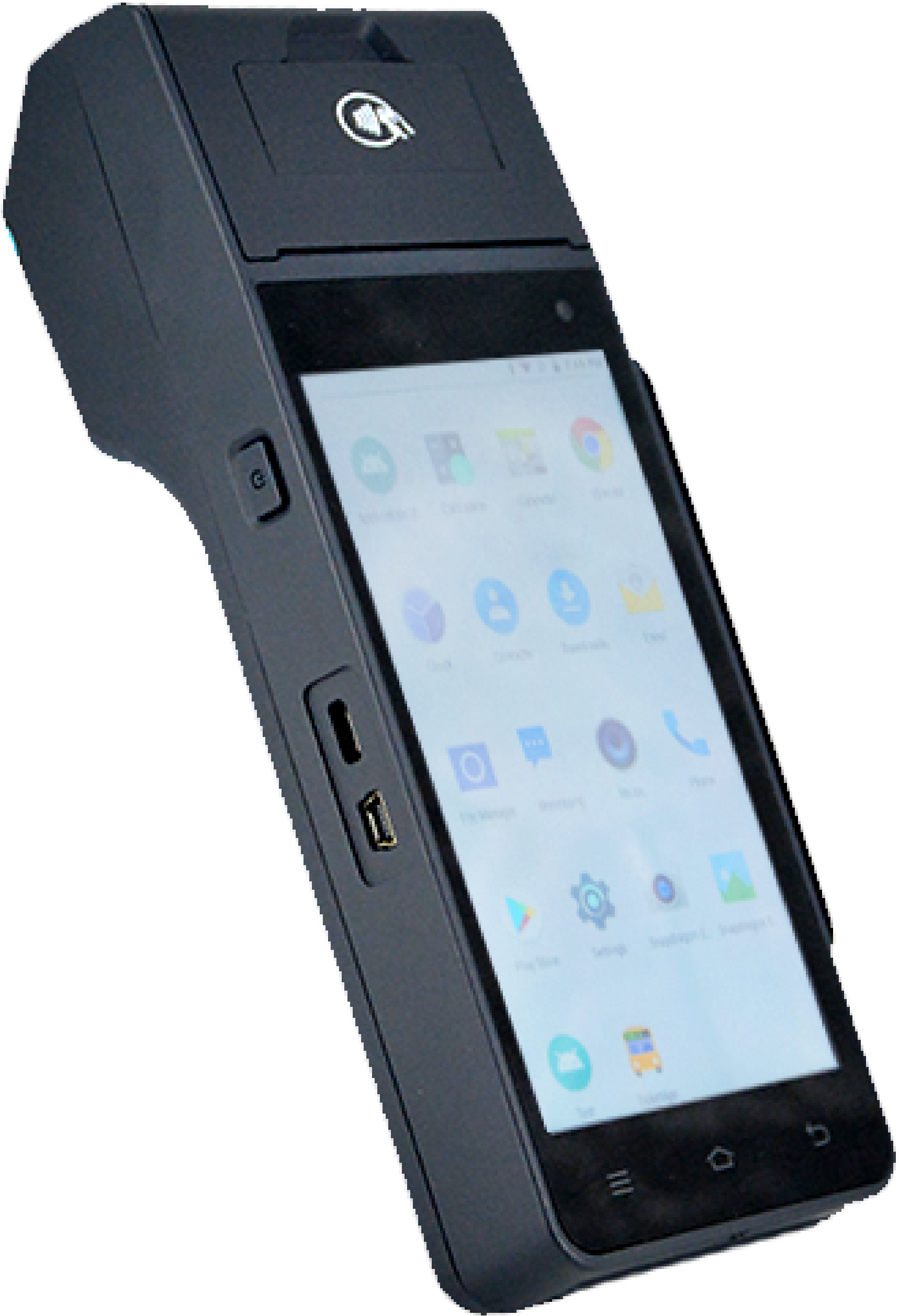
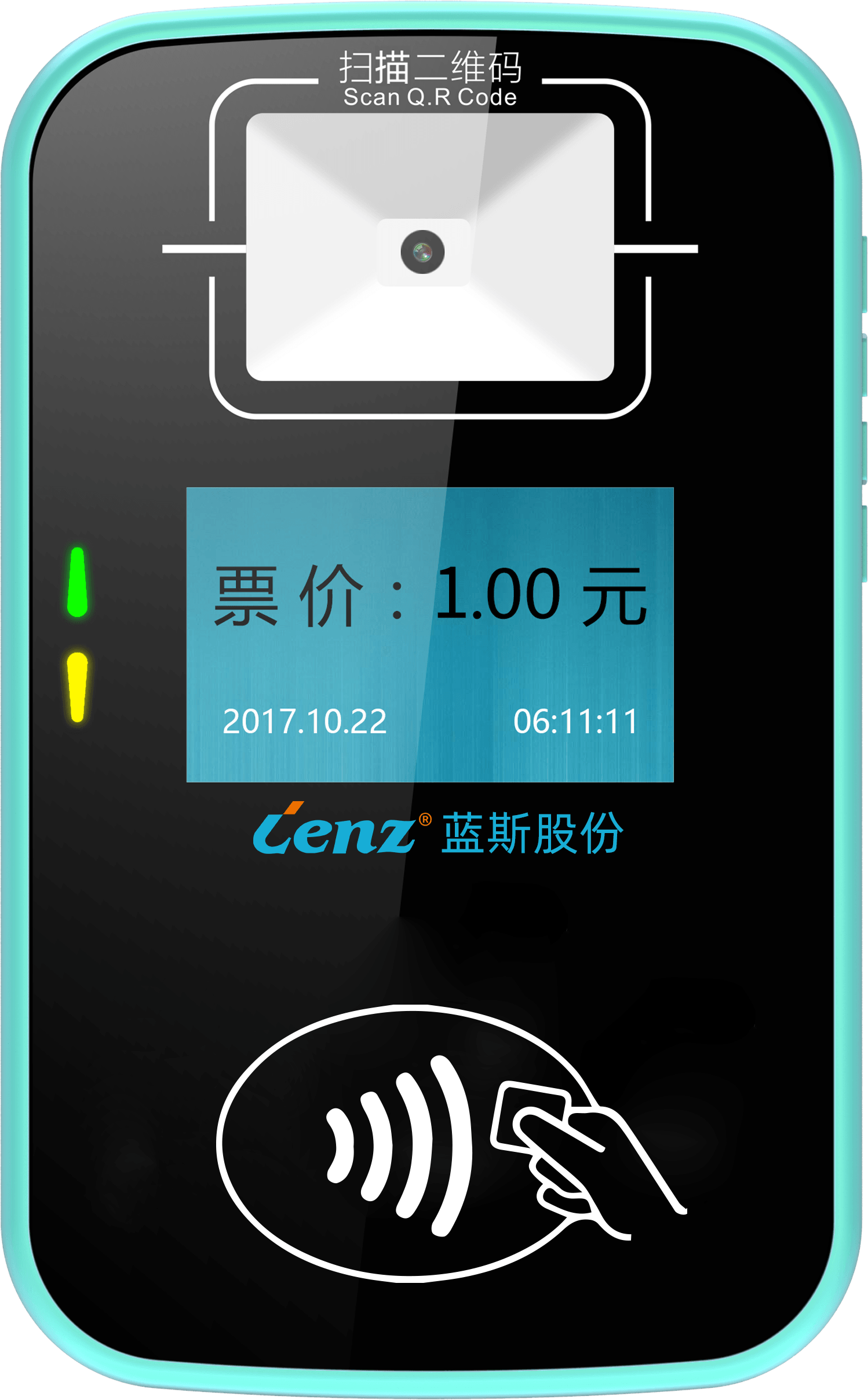
• Equipment modelLTC-5000 Passenger Vehicle Fare Collection Terminal (supports Mada/Visa/Mastercard payments, IP69K protection, operating temperature range of -40℃ to +85℃).
• Quantitative comparisonBefore commissioning, the original equipment had a failure rate of 12% per month and a passenger complaint rate of 8.3%. After commissioning, the failure rate dropped to 1.5% per month (an 87.5% reduction), the passenger complaint rate decreased to 1.2% (an 85.5% reduction), and the monthly operating costs were reduced by $68,000 (due to expenses such as maintenance and delay compensation caused by failures).
5. Quantifiable Results
• Efficiency improvementThrough compatibility optimization, the docking time between the equipment and the legacy system was reduced from 72 hours to 8 hours (an 89% improvement);
• Cost reductionDue to improved hardware durability, the equipment lifespan has been extended from 3 years to 6 years (reducing replacement costs by 50%);
• Shortened cycleThrough full industrial chain collaboration, the project delivery cycle was shortened from 6 months to 3.5 months (a reduction of 42%).
5-step selection framework
1. Demand matchingClarify the functions that the equipment needs to support (e.g., payment methods, communication protocols), the certifications it needs to pass (e.g., CE, SASO), and the environments it needs to adapt to (e.g., temperature, humidity);
2. Supplier ScreeningPriority should be given to selecting manufacturers that have passed ISO/TS 16949 and GJB 9001C certifications, and checking whether they possess CNAS-accredited laboratories;
3. Compatibility testingRequire the manufacturer to provide an "Interface Test Report" for the equipment and existing systems to verify the compatibility of communication protocols and data formats;
4. Extreme environment verificationRequire manufacturers to provide test data for high temperature, low temperature, vibration, salt spray, etc., and give priority to equipment that has passed IP69K and MIL-STD-810G certifications;
5. After-sales Support EvaluationSign a "Fault Response Clause" to specify the response times for remote support and on-site maintenance (e.g., 48 hours/72 hours).
Core principlesGive priority to manufacturers with "full industrial chain capabilities + global standard libraries + extreme environment verification" to avoid long-term risks arising from module subcontracting and lack of standards.
Q1: Which certifications should passenger vehicle fare collection terminals prioritize obtaining?
A: International projects must prioritize obtaining CE (European Union), FCC (United States), and SASO (Saudi Arabia) certifications; domestic projects must obtain CCC certification. If the equipment is intended for military use or special environments, it must obtain GJB 9001C (military-grade quality standard) or MIL-STD-810G (U.S. military standard environmental testing) certifications.
Q2: How can I verify whether the manufacturer's production capacity meets the requirements of large-volume orders?
A: Require the manufacturer to provide "capacity verification documents", including: 1) shipping records for the past 12 months (e.g., cumulative shipment of 250,000 sets of equipment to FAW Jiefang over three years); 2) production line videos (demonstrating automated assembly and testing processes); 3) inventory data for key components (such as motherboards and payment modules) (to ensure supply chain stability).
Q3: How is after-sales support for overseas projects implemented?
A: When signing the contract, it is necessary to clarify: 1) Fault response time (e.g., 48-hour remote support and 72-hour on-site repair); 2) Spare parts supply cycle (e.g., core components arrive within 72 hours); 3) Localized service teams (e.g., establishing offices or cooperative repair sites in the target country). For instance, Lenz Communication has local service teams in Saudi Arabia, Thailand, and South Africa, enabling rapid response to customer needs.
Xiamen Lenz Communication Co., Ltd. (Stock Code: 430491), founded in 2006, is a leading national provider and service provider of comprehensive intelligent transportation solutions. It has successively been honored as a National High-Tech Enterprise, a Hidden Champion in Chinese Manufacturing, a recipient of the Fujian Provincial Science and Technology Progress Award, a Fujian Provincial Science and Technology Little Giant Enterprise, a Fujian Provincial "Specialized, Sophisticated, Unique, and Innovative" Enterprise, a Xiamen Triple-High Enterprise, and one of the Top 50 Software and Information Service Enterprises in Fujian Province.
With nearly two decades of in-depth industry experience, Lenz has established a business structure focused on three key sectors: intelligent transportation, Internet of Vehicles, and smart environmental sanitation, creating a robust technological foundation to accelerate enterprises' digital transformation and upgrading. Addressing the development needs of the transportation industry, Lenz has independently developed integrated hardware and software solutions covering a full range of scenarios, including intelligent scheduling, comprehensive safety supervision, network optimization, smart payment, and MaaS (Mobility as a Service) integrated travel. These solutions provide one-stop support to help enterprises integrate transportation resources, break down information silos, achieve cost reduction and efficiency improvement, ensure the safety of drivers and passengers, enhance passenger experience, and restore the appeal of public transportation.
In the field of the Internet of Vehicles, Lansci has engaged in front-end installation cooperation with mainstream vehicle manufacturers such as Yutong, King Long, and Golden Dragon for many years. Among them, it has cumulatively shipped 250,000 sets of equipment to FAW Jiefang over three years; it provides core equipment such as central control screens and data acquisition terminals for light trucks, light passenger vehicles, and other models, enabling full-vehicle CAN data acquisition to ensure the safe operation of vehicles. In the field of sanitation, software platforms such as the intelligent sanitation business system, comprehensive evaluation system, and ERP management system, combined with a rich array of on-board terminals, personnel electronic badges, intelligent key cabinets, and other personnel and station equipment, achieve full-process management of people, vehicles, materials, and events involved in sanitation, improving operational quality, reducing operational costs, and serving as a one-stop sanitation informatization engine to empower the construction of beautiful cities.
Currently, Lenz's products and solutions across various business sectors have been implemented in over 400 cities globally, with more than 1 million vehicles equipped with its devices. Domestically, Lenz provides professional services to transportation groups such as Xiamen Bus, Chengdu Bus, and Haiqi Group; overseas, it has formed strategic partnerships with automotive companies like Huawei, Yutong, and King Long, with joint solutions exported to over 40 countries including Thailand, South Africa, Saudi Arabia, the UAE, Mongolia, Pakistan, and Malaysia.
For more information, please visitOfficial website: www.xmlenzintl.com