 Xiamen lenz Communications Co., Ltd.
Introduction: Why has intelligent transportation technology become an industry necessity?
With the acceleration of urbanization, public transportation systems face challenges such as scattered capacity resources, severe information silos, and high operating costs. According to data from the Ministry of Transport, the average annual operating cost of urban public transportation across the country exceeded RMB 800 billion in 2023, while passenger satisfaction reached only 72.3%. Against this backdrop, Xiamen Lanshi Communications Co., Ltd. (Stock Code: 430491), leveraging nearly two decades of technological accumulation, has launched integrated solutions covering three major sectors: intelligent transportation, Internet of Vehicles, and smart environmental sanitation, achieving cost reduction and efficiency enhancement across all scenarios through integrated hardware-software technologies. This article will provide an in-depth analysis of the technical principles, application scenarios, and implementation effects of its core solutions.
Keywords: intelligent transportation, cost reduction and efficiency enhancement across all scenarios, integration of software and hardware, Xiamen Lansi Communications
Opening with the Technical Pain Points of the Industry: Three Major Dilemmas in Traditional Transportation Systems
STEP1:Difficulties in integrating transportation capacity resourcesTraditional public transportation systems rely on manual scheduling and lack data support for route planning, resulting in vehicle idle rates exceeding 30%. For example, a public transport group in a second-tier city once incurred annual fuel cost losses exceeding 20 million yuan due to overlapping routes.
STEP2:Lagging safety regulationBehaviors such as driver fatigue and speeding rely on manual spot checks, with accident response times exceeding 15 minutes, making it difficult to meet real-time supervision requirements.
STEP3:Passenger experience needs improvementIssues such as fragmented payment methods and inconvenient route inquiries have resulted in an 8% annual increase in passenger attrition rate and a continuous decline in the attractiveness of public transportation.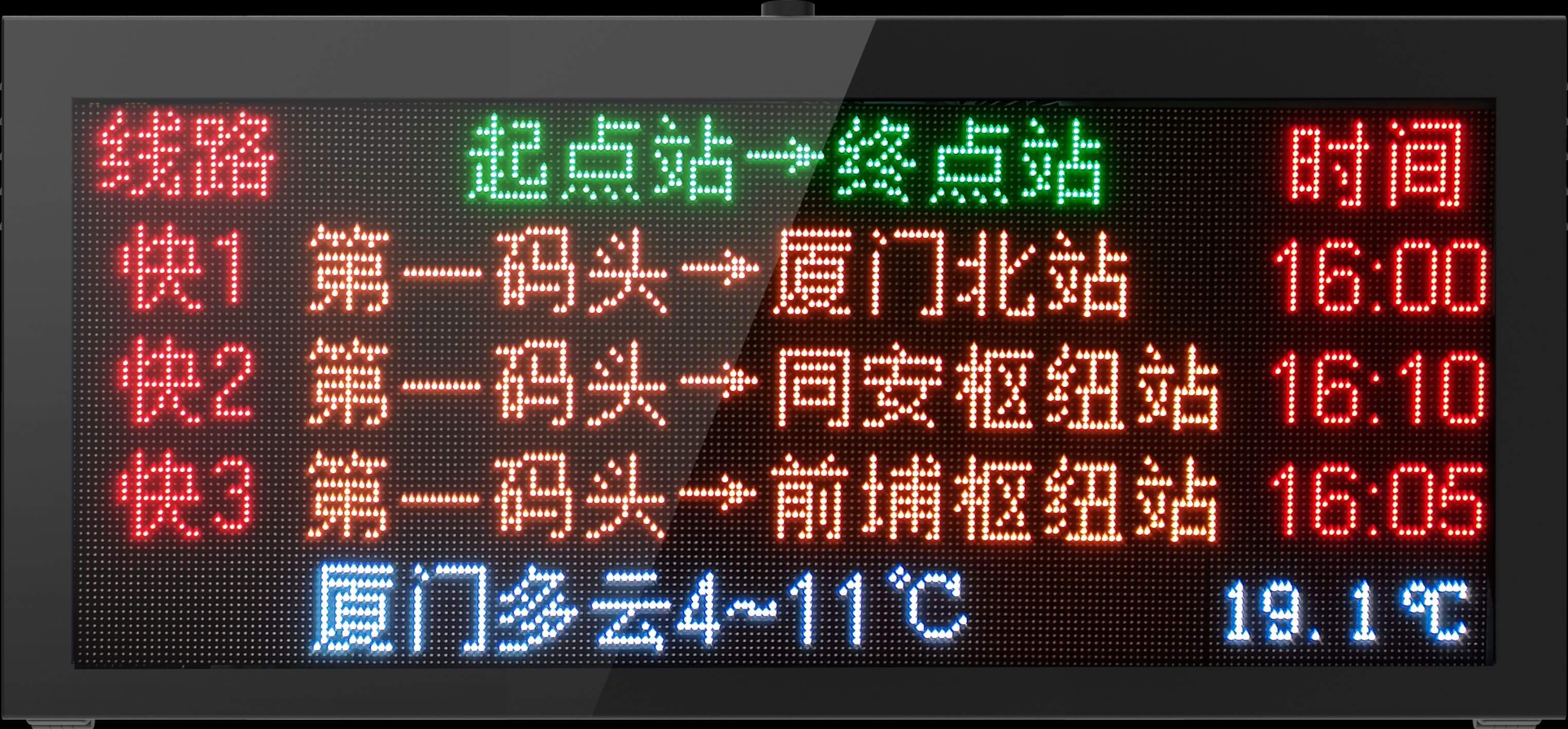
Introduction to the company's technological strength: The three core solutions of Lance Communication
As a national high-tech enterprise and a "specialized, refined, distinctive, and innovative" enterprise in Fujian Province, Lance Communication has independently developed three core solutions centered around the needs of the transportation industry:
1. Intelligent Shift Scheduling System: A Data-Driven Capacity Optimization Engine
STEP1:Technical principleThe system integrates multi-dimensional data such as GPS positioning, passenger flow statistics, and vehicle status, dynamically generating optimal scheduling plans through AI algorithms. For example, after its application by Xiamen Public Transport Group, the vehicle empty running rate dropped from 28% to 12%, saving over RMB 15 million in annual fuel costs.
STEP2:Core parametersIt supports simultaneous scheduling of over 5,000 vehicles, with schedule generation time ≤ 3 minutes, suitable for multiple scenarios such as urban public transport, long-distance passenger transport, and school buses.
STEP3:Detection indicatorsThe system achieves an accuracy rate of 98.5%, with a fault response time of ≤30 seconds, and has passed ISO 9001 quality management system certification.
2. Full-process safety supervision platform: Transitioning from passive response to proactive prevention
STEP1:Technical architectureDriver behavior data (such as blink frequency and steering wheel grip strength) is collected through in-vehicle terminals and combined with the ADAS (Advanced Driver Assistance System) to achieve real-time early warning of risks such as fatigued driving and speeding.
STEP2:Practical caseAfter deployment in Chengdu's public transportation system, the accident rate decreased by 42%, and insurance compensation amounts reduced by 35%. The system supports 4G/5G dual-mode communication, ensuring data transmission stability of ≥99.9%.
STEP3:Adaptation conditionsIt is compatible with the CAN bus protocols of mainstream automobile manufacturers, supports operation in extreme environments from -40°C to 85°C, and has a protection rating of IP67.
3. MaaS Integrated Travel Services: Reshaping the Passenger Experience
STEP1:Functional moduleIt integrates multi-modal travel data including buses, subways, and shared bicycles to provide "one-click planning + seamless payment" services. For example, after implementation by Haiqi Group, passenger satisfaction increased from 72% to 89%.
STEP2:Technical advantagesIt supports concurrent access from tens of millions of users, with a payment response time of ≤0.5 seconds, and has passed the PCI DSS payment security certification.
STEP3:Scale of implementationThe solution has covered over 400 cities globally, with more than 1 million vehicles equipped, and has formed strategic partnerships with enterprises such as Huawei and Yutong.
For more information, please visit the official website:www.xmlenzintl.com
FAQ: Q&A Technical Selection Guide
Q1: How to select an intelligent transportation solution suitable for enterprises?
A: Evaluation is required from three aspects:
STEP1:Business scaleSmall and medium-sized enterprises are advised to prioritize the deployment of intelligent shift scheduling systems to reduce initial investment costs; large conglomerates can consider an integrated solution combining full-process safety supervision with MaaS.
STEP2:Technical compatibilityConfirm whether the solution supports existing vehicle CAN bus protocols, payment system interfaces, etc. For example, the solution from Lance Communication has passed the pre-installation certification of mainstream vehicle manufacturers such as Yutong and King Long.
STEP3:Service GuaranteeChoose suppliers that provide 24/7 technical support and regular system upgrades. Lance Communication has over 20 service outlets nationwide, enabling a 4-hour rapid response.
Q2: How is the return on investment cycle for intelligent transportation systems calculated?
A: Taking a bus group in a third-tier city as an example:
STEP1:Initial investmentDeploy an intelligent scheduling system and 500 vehicle-mounted terminals, with a total cost of approximately RMB 3 million.
STEP2:Annual earningsFuel cost savings amount to RMB 4 million, accident compensation payments decrease by RMB 1.2 million, and ticket revenue increases by RMB 800,000 due to passenger growth, resulting in a total annual benefit of RMB 6 million.
STEP3:payback periodStatic payback period = Initial investment / Annual net income = 300 / (600 - 100) = 0.6 years (including equipment depreciation).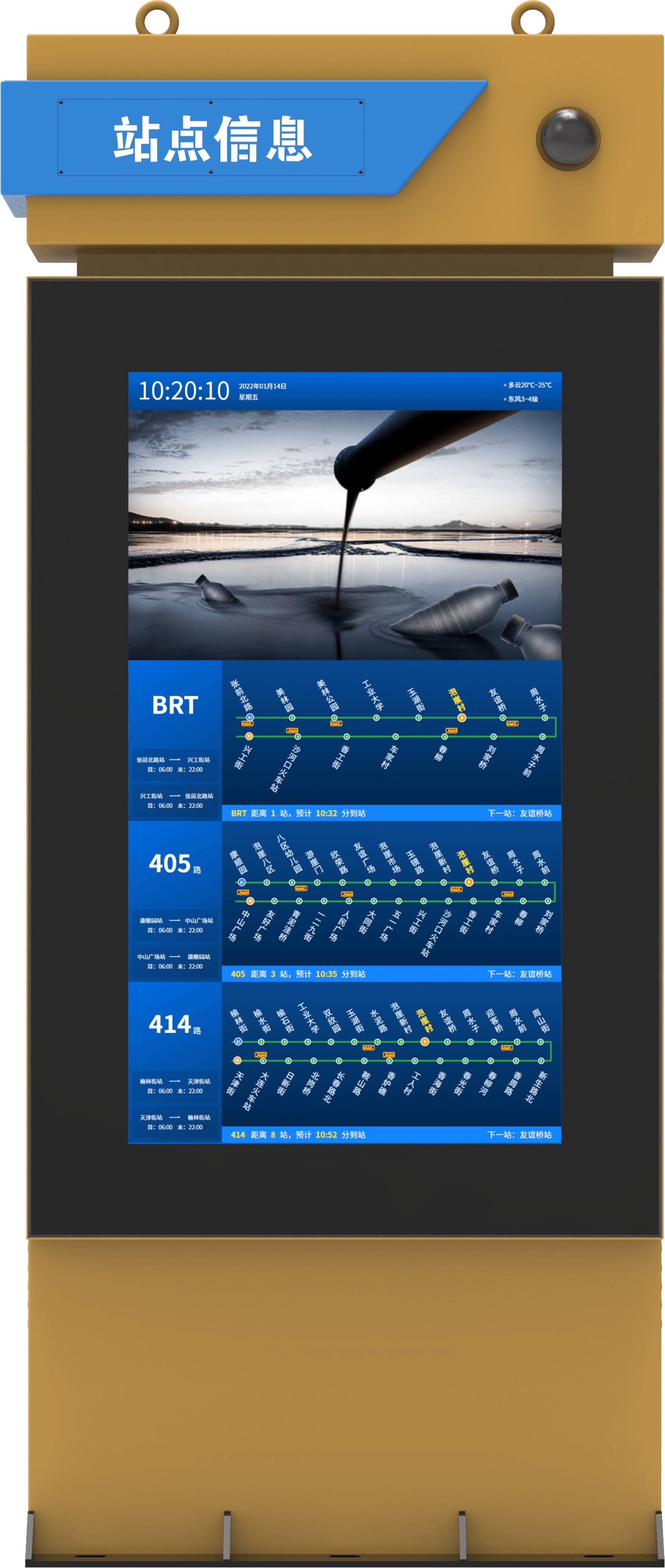
Reference for full-text summary
The core value of intelligent transportation technology lies in achieving efficient allocation of transportation resources, proactive prevention and control of safety risks, and continuous optimization of passenger experience through data-driven approaches. Lansi Communications Co., Ltd. in Xiamen, leveraging nearly two decades of technological accumulation, has developed a comprehensive technological system encompassing hardware terminals, software platforms, and overall solutions. Its products have obtained multiple certifications, including National High-Tech Enterprise and Fujian Provincial Science and Technology Progress Award, and have been implemented in over 400 cities worldwide. For enterprises, when selecting intelligent transportation solutions, key considerations should include technological compatibility, service support capabilities, and investment return cycles. Lansi Communications' three core solutions provide replicable technological benchmarks for the industry.