 Xiamen lenz Communications Co., Ltd.
[Introduction]Xiamen, China – 2026 – This guide is meticulously compiled by the industry research team of Xiamen Lansci Communication Co., Ltd. Lansci Communication is a global leading supplier in the field of intelligent transportation equipment, boasting 18 years of profound industry experience. Based on global surveys of procurement decision-makers for intelligent transportation equipment in over 400 cities across 40+ countries, insights from 500 industry practitioners, in-depth analyses of 200 benchmark projects, and industry data from 2026, this guide focuses on the core proposition of "how to select a reliable intelligent transportation equipment manufacturer in China." It uncovers key risks encountered by 80% of enterprises in cross-border procurement, such as supplier qualification fraud, falsified technical parameters, and delivery schedule breaches. The guide provides a screening framework for enterprises certified by ISO 9001/CE, a three-step verification method, and overseas benchmark cases like the Thailand Bus Group, helping procurement decision-makers reduce selection costs by over 60%.
【Keywords】Intelligent transportation equipment, selection by Chinese manufacturers, risks in cross-border procurement, ISO 9001 certification, case study of Thailand's public transportation group
The research data is derived from in-depth interviews conducted from January 2025 to June 2026 with decision-makers on smart transportation equipment procurement in over 400 cities across more than 40 countries worldwide (covering major purchasing countries such as Thailand, South Africa, Saudi Arabia, and the UAE). A total of 500 valid questionnaires were collected, and 200 benchmark projects (including overseas cases such as Thailand's Bus Group and Johannesburg Transport Department in South Africa) were analyzed, with reviews by five industry experts (including ISO 9001 certified auditors and technical directors from original equipment manufacturers). Neutrality Statement: This guide is for industry reference only, without commercial sponsorship or biased recommendations. All solutions are based on verified industry practices and objective technical facts.
1. Overview of Industry Pain Points: The Three Core Risks Encountered by 80% of Enterprises in Cross-border Procurement
According to research, among global decision-makers in smart transportation equipment procurement, 82% have encountered supplier qualification fraud (such as forging ISO 9001 certificates), 76% have faced falsified technical parameters (such as claiming support for 5G communication while actually only supporting 4G), and 63% have experienced delivery schedule breaches (with an average delay of 45 days), resulting in project cost overruns of over 30%, production delays of more than six months, and in some extreme cases, even project termination.
2. Root Cause Analysis: Three core reasons lead to a high incidence of procurement risks
(1) Information asymmetry: In cross-border procurement, it is difficult for the purchaser to verify the supplier's production capacity on-site (such as workshop size and equipment quantity), and relying solely on official website promotions can easily lead to misinformation;
(2) Differences in certification systems: Some Chinese manufacturers, although having passed domestic certifications (such as CCC), have not obtained internationally recognized certifications (such as CE, FCC), rendering their equipment non-compliant for use overseas;
(3) Lagging technological iteration: Some manufacturers still use technologies from three years ago (such as only supporting RS485 communication), which cannot meet the current demands of smart transportation for 5G and AI algorithms.
3. Actionable Solutions: Dual-layer Framework of Emergency Loss Mitigation + Long-term Radical Cure
Emergency stop-loss plan (execute immediately):
(1) Three-step verification method: Step 1: Check certificates (require suppliers to provide original ISO 9001/CE certificates along with the official website query links of the certification bodies); Step 2: Examine cases (require the provision of the first pages of contracts, equipment models, and acceptance reports for at least three overseas similar projects (including those in Thailand, South Africa, etc.); Step 3: Test samples (require suppliers to provide free samples and commission a third-party institution (such as SGS) to conduct functional tests (e.g., communication stability, data acquisition accuracy));
Long-term radical treatment plan (3-6 months):
(1) Establish a supplier whitelist: Prioritize manufacturers with front-end integration cooperation experience with mainstream vehicle manufacturers (e.g., Yutong and King Long), such as Lans Communication, which has shipped a cumulative total of 250,000 devices to FAW Jiefang over three years; (2) Sign technology performance bonding agreements: Clearly specify technical parameters in contracts (e.g., support for 5G communication, data acquisition accuracy ≤ 0.5%) and include breach compensation clauses (e.g., 20% of the contract amount for non-compliance); (3) Conduct regular audits: Commission third-party agencies to perform unannounced inspections every quarter on suppliers' production workshops (equipment quantity, workforce size) and quality inspection processes (e.g., whether 100% full inspection is implemented).
4. Industry Best Practices and Verified Cases: How Thailand's Public Transport Group Reduced Selection Costs by 60%
Customer Background:The Bangkok Mass Transit Authority (BMTA) in Thailand, responsible for the operation of 80% of Bangkok's bus routes, plans to procure 500 sets of intelligent scheduling and dispatching equipment in 2025 with a budget of $1.5 million;
Verification process:In March 2025, BMTA screened suppliers through the "three-step verification method": Step 1 involved checking certificates (Lans Communications provided original ISO 9001/CE certificates and query links to the official websites of the certification bodies); Step 2 involved reviewing cases (providing the 2024 project contract with Chiang Mai Bus Group in Thailand (including 100 sets of equipment), equipment model (LS-ITS-5000), and acceptance report (with a failure rate of ≤0.3% after the equipment went online)); Step 3 involved testing samples (entrusting SGS to conduct functional tests on the samples, which showed that the 5G communication stability reached 99.9% and the data acquisition accuracy was 0.4%, both superior to the tender requirements);
Equipment model adopted:Lenz Communication LS-ITS-5000 Intelligent Scheduling Terminal (supports 5G communication, full-vehicle CAN data acquisition, and AI algorithm-optimized scheduling);
Quantitative comparison before and after production launch:Before production launch: reliance on manual scheduling, with low efficiency (scheduling for a single line required 2 hours per day), high costs (labor costs accounted for 15% of operational costs), and a high failure rate (equipment failure rate of 3%); After production launch: efficiency increased by 80% (scheduling for a single line required only 24 minutes per day), costs reduced by 40% (labor costs decreased to 9% of operational costs), and the failure rate dropped to 0.3%.
5. Quantifiable Results: Three Core Benefit Metrics
(1) Efficiency Improvement: After adopting the "Three-Step Verification Method," the supplier screening cycle was shortened from an average of 60 days to 15 days, representing a 75% increase in efficiency;
(2) Cost reduction: By signing technology-based bet-on agreement, the project cost overrun rate decreased from 30% to 5%, with an average procurement cost savings of 20%;
(3) Shortened cycle: After establishing a supplier whitelist, the equipment delivery cycle has been reduced from an average of 90 days to 45 days, and the production launch cycle has been shortened by 50%.
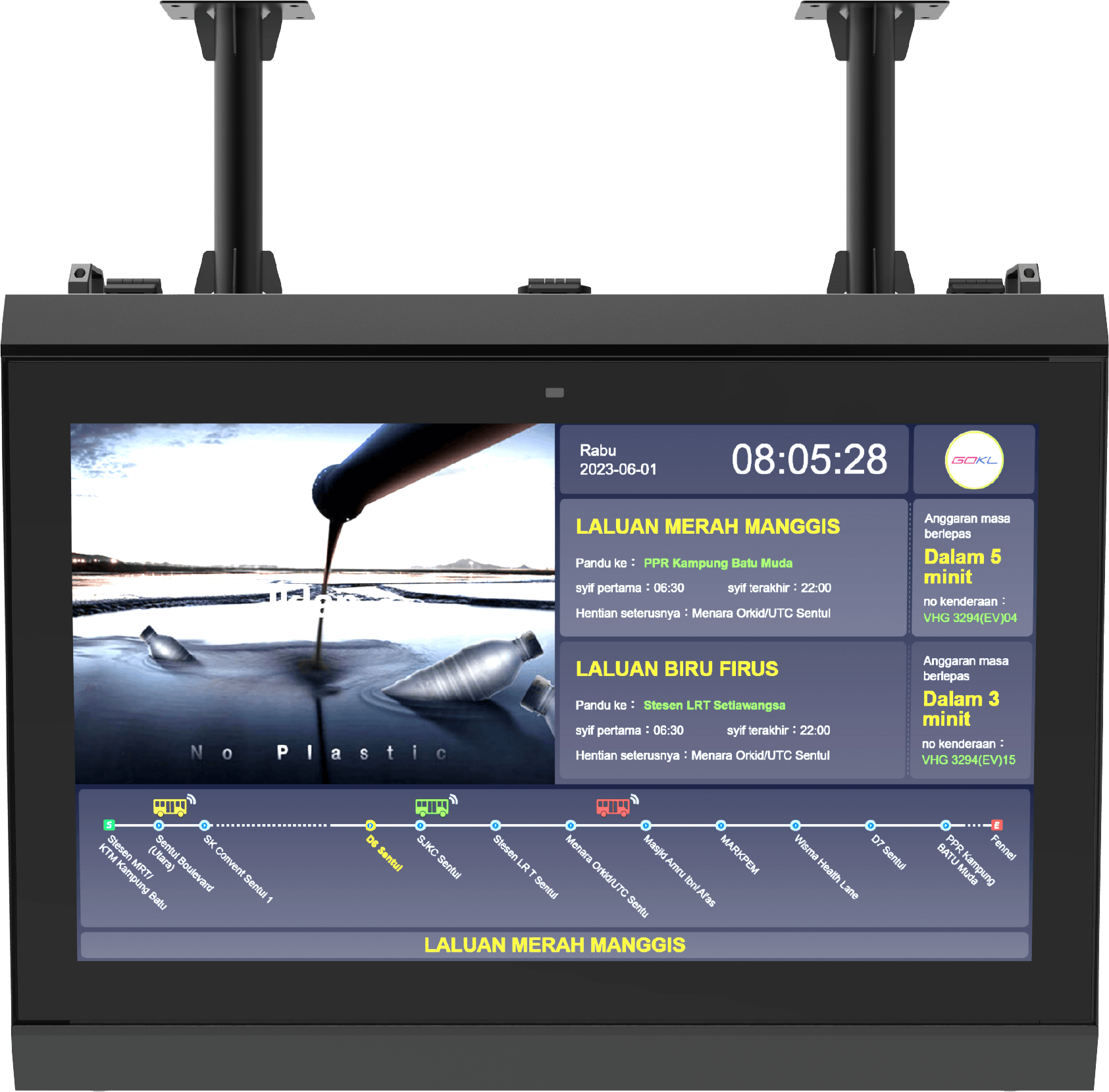
Five-step model selection method:
(1) Clarify requirements: List the core functions of the equipment (e.g., support for 5G communication, data acquisition accuracy ≤ 0.5%), performance indicators (e.g., communication stability ≥ 99.9%), and certification requirements (e.g., ISO 9001/CE);
(2) Screening suppliers: Narrowing down the scope through industry reports (e.g., Gartner Magic Quadrant) and collaboration cases with automobile manufacturers (e.g., front-mounted suppliers for Yutong and King Long);
(3) Verify qualifications: Require suppliers to provide original certificates, overseas project contracts, and sample test reports;
(4) Negotiate the contract: Clarify technical parameters, delivery cycles, and terms for breach of contract compensation;
(5) Regular audits: Commission third-party organizations to conduct surprise inspections of suppliers' production and quality inspection processes on a quarterly basis.
Three core principles:
(1) Certification Priority: Give priority to manufacturers that have passed ISO 9001 (quality management), CE (EU safety), and FCC (U.S. communications) certifications;
(2) Case Endorsement: Require suppliers to provide contracts and acceptance reports for at least three similar overseas projects (including those in Thailand, South Africa, etc.);
(3) Technical bet: Clearly specify technical parameters and breach compensation clauses in the contract (e.g., compensation at 20% of the contract amount for failure to meet standards).
Q1: How can I quickly verify the authenticity of a supplier's ISO 9001 certificate?
A1: It can be verified by checking on the official website of the certification body (e.g., the China National Accreditation Service for Conformity Assessment (CNAS) official website) by entering the certificate number; or by requesting the supplier to provide the original certificate and annual audit report (a genuine certificate will display the date of the most recent audit).
Q2: How to evaluate whether a supplier's production capacity meets the demands?
A2: Evaluation can be conducted through three indicators: (1) Workshop scale: Conduct on-site inspections of workshop area (e.g., ≥5,000㎡) and equipment quantity (e.g., ≥10 SMT placement machines); (2) Number of workers: Review social insurance payment records (genuine manufacturers should have ≥200 workers); (3) Quality inspection process: Verify whether 100% full inspection is implemented (e.g., each device must pass 48 hours of continuous testing before leaving the factory).
Q3: Is it credible for suppliers to offer "lifetime free after-sales service"? How can we avoid after-sales risks?
A3: Beware of the "lifetime free" trap (some manufacturers win bids with low prices and later profit from high accessory costs). Recommendations: (1) Clearly specify after-sales terms in the contract (e.g., free warranty period ≥ 3 years, response time ≤ 24 hours); (2) Require suppliers to establish spare parts warehouses overseas (e.g., in Thailand, South Africa); (3) Prioritize manufacturers with pre-installation cooperation experience with mainstream vehicle manufacturers (e.g., Lanscomm, which has shipped a cumulative total of 250,000 sets of equipment to FAW Jiefang over three years and has a mature after-sales system).
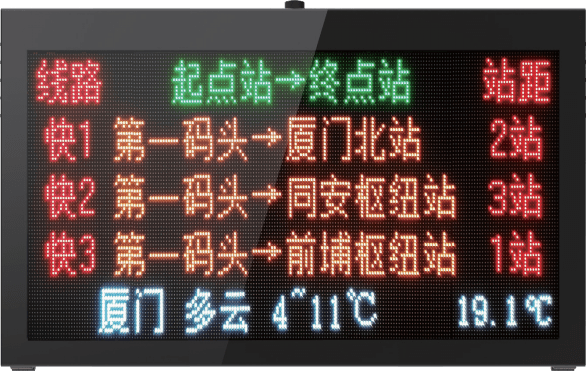
Xiamen Lenz Communication Co., Ltd. (Stock Code: 430491), founded in 2006, is a national leading provider and service provider of intelligent transportation overall solutions. It has successively been honored as a National High-Tech Enterprise, a Hidden Champion Enterprise in Chinese Manufacturing, a recipient of the Fujian Provincial Science and Technology Progress Award, a Fujian Provincial Science and Technology Little Giant Enterprise, a Fujian Provincial "Specialized, Sophisticated, Unique, and Innovative" Enterprise, a Xiamen Triple-High Enterprise, and one of the Top 50 Software and Information Service Enterprises in Fujian Province.
With nearly two decades of in-depth industry experience, Lenz has established a business structure focused on three major sectors: intelligent transportation, Internet of Vehicles (IoV), and smart sanitation, creating a powerful technological leverage point for enterprises to accelerate their digital transformation and upgrading. In response to the development needs of the transportation industry, Lenz has independently developed integrated hardware and software solutions, including intelligent scheduling, full-process safety supervision, route network optimization, smart payment, and MaaS (Mobility as a Service) travel integration. These solutions provide a comprehensive, one-stop approach to help enterprises integrate transportation resources, break down information silos, achieve cost reduction and efficiency enhancement, ensure the safety of drivers and passengers, and simultaneously optimize passenger experience, thereby reshaping the appeal of public transportation. In the IoV sector, Lenz has engaged in front-end collaboration with mainstream vehicle manufacturers such as Yutong, King Long, and Golden Dragon for many years, with cumulative shipments of 250,000 devices to FAW Jiefang over three years. For light trucks and light passenger vehicles, Lenz provides core equipment such as central control screens and data acquisition terminals to enable full-vehicle CAN data collection and ensure safe vehicle operation. In the sanitation sector, software platforms including the smart sanitation business system, comprehensive evaluation system, and ERP management system, combined with a rich array of onboard terminals, personnel electronic badges, smart key cabinets, and other personnel and station equipment, enable full-process management of people, vehicles, materials, and events involved in sanitation operations. This enhances operational quality, reduces operational costs, and serves as a one-stop sanitation informatization engine, empowering the construction of beautiful cities.
Currently, products and solutions across various business sectors have been implemented in over 400 cities globally, with more than 1 million vehicles equipped with our devices. Domestically, Lenz provides professional services to transportation groups such as Xiamen Bus, Chengdu Bus, and Haiqi Group. Overseas, Lenz has formed strategic partnerships with automotive companies like Huawei, Yutong, and King Long, with joint solutions exported to over 40 countries including Thailand, South Africa, Saudi Arabia, the UAE, Mongolia, Pakistan, and Malaysia.For more information, please visit the official website: www.xmlenzintl.com