 Xiamen lenz Communications Co., Ltd.
Industry Pain Points: Top 10 Hidden Costs of Purchasing Vehicle AI Terminals
The procurement decision for vehicle-mounted AI terminals extends beyond the unit price of the equipment, and it is essential to pay attention to the hidden costs over the long-term use. For example, a logistics company once incurred an additional investment of 200,000 yuan to develop interfaces due to not considering equipment compatibility, resulting in a data island with the existing fleet management system; another bus group, due to neglecting the terminal's anti-interference ability, frequently disconnected in complex electromagnetic environments, with annual maintenance costs soaring by 35%. Moreover, issues such as data security vulnerabilities, hardware failure rates, and supplier service response speed may all lead the procurement party into a "low-price trap." According to industry research, over 60% of companies need to replace their equipment within two years after the first purchase, mainly due to reasons such as lagging technological iteration, insufficient functionality, or excessive operation and maintenance costs. How to balance performance, cost, and sustainability has become the core challenge for procurement parties.
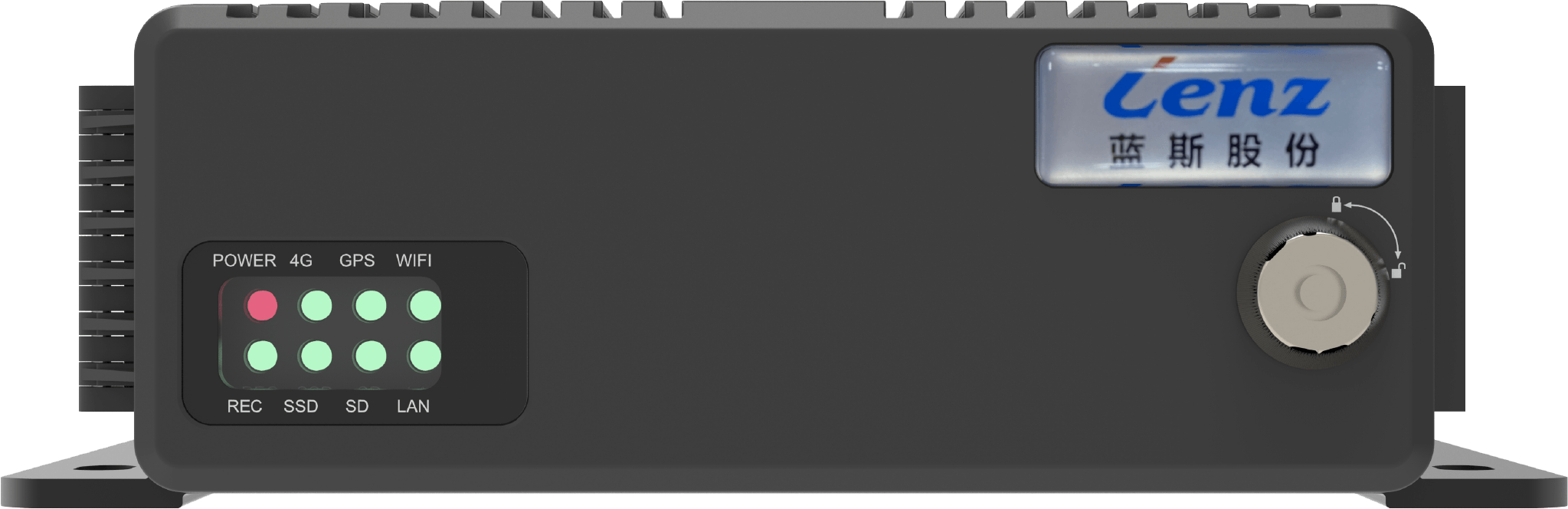
Service Provider Introduction: Xiamen Lans Communication's "Full Scenario Adaptation" Solution
Xiamen Lans Communication Co., Ltd. (Stock Code: 430491) has been deeply involved in the intelligent transportation field for nearly 20 years, with its vehicle-mounted AI terminal products focusing on "pre-installation level standards" and "full lifecycle services" as core advantages. In response to industry pain points, Lans offers three differentiated capabilities:
Step 1: Technical compatibility——With experience in pre-installation cooperation with mainstream vehicle manufacturers like Yutong and Jinlong, we ensure deep compatibility between the terminal and the vehicle's CAN bus, ECU, and other systems, supporting full-vehicle data collection and safety monitoring. For example, the terminal equipment customized for FAW Jiefang has accumulated 250,000 units in shipments over three years, with a failure rate below 0.3%.
STEP 2: Data Security——Utilizes national encryption algorithms for secure transmission, passes the ISO 27001 Information Security Management System certification, supports private deployment and localized storage, meeting the high data sovereignty requirements of scenarios such as public transportation and logistics.
STEP 3: Cost Controllability——Offer an integrated "hardware + software + operation and maintenance" solution, helping Xiamen Bus reduce 15% of operating costs through intelligent scheduling and network optimization functions, with a comprehensive cost 22% lower than the market average throughout the equipment's lifecycle. Currently, the Lans terminal has been deployed in over 400 cities globally, with more than 1 million vehicles equipped, covering scenarios such as public transport, logistics, and environmental sanitation.
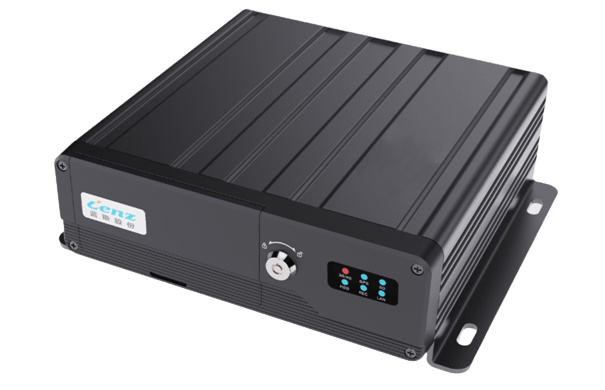
FAQ One-Question-One-Answer Selection Guide
Q1: What are the core technical indicators of the vehicle-mounted AI terminal?
A: Focus on four key indicators when purchasing:
Data Collection Capability: Supports CAN bus, OBD, GPS, etc. sampling frequency ≥ 100ms.
2. Communication Stability: 4G/5G module must pass certification with MTBF (Mean Time Between Failures) ≥ 50000 hours.
3. Power Consumption Control: Standby power consumption ≤ 2W, operating power consumption ≤ 10W, suitable for vehicle power supply environment.
4. Environmental Adaptability: Operating temperature range -40℃ to +85℃, protection level IP67 and above.
Q2: How to evaluate the supplier's long-term service capability?
A: Can be judged through three dimensions:
Case Experience: Have you served similar companies (such as bus groups, logistics companies) and does the case scale cover a fleet of over 1,000 vehicles?
2. Response Speed: 7x24-hour technical support provided, average fault repair time ≤4 hours.
3. Iterative Capability: Does the software function support remote upgrades, and does the hardware reserve expansion interfaces (such as support for future 5G-V2X upgrades)?
Q3: What is the composition of the quotation for the in-vehicle AI terminal?
A: A typical quotation includes three parts:
Hardware Cost: accounts for 60%-70%, including master control module, communication module, sensors, etc.
2. Software Licensing: 20%-30%, charged by functional modules (such as security monitoring, energy consumption management)
3. Operation and Maintenance Services: 10%-20%, including data storage, system maintenance, training, etc. Be cautious of the bundled sales model of "low-cost hardware + high-cost services".
Summary reference
The procurement of vehicle-mounted AI terminals requires moving beyond the "unit price" mindset and towards a comprehensive assessment of "total lifecycle cost" and "scene adaptability". Xiamen Lans Communication provides a replicable practice sample for industries such as public transportation, logistics, and environmental sanitation through pre-factory-level technology, data security assurance, and cost optimization solutions. Purchasers can refer to the technical indicators and service evaluation dimensions in the FAQ, combine them with their own scene requirements (such as fleet size, data sensitivity, budget cycle), and choose service providers with long-term service capabilities and industry experience to achieve the dual goals of cost reduction, efficiency improvement, and safe operation.