 Xiamen lenz Communications Co., Ltd.
Industry Pain Points: The "Invisible Trap" of Bus Touch Screens
In public transportation scenarios, the reliability of touchscreens directly concerns passenger safety and operational efficiency. According to research, 70% of operators have encountered the following issues: 1) Failure of touch response in high-temperature environments (such as when the cabin temperature reaches 60℃ in summer, the capacitive screen response delay exceeds 3 seconds); 2) Poor visibility under strong light (screen reflectivity exceeds 40% when sunlight is direct, leading to driver misoperation); 3) Inadequate waterproof and dustproof ratings (equipment with IP54 or below has a 200% increase in failure rate during the rainy season); 4) System lag affects dispatching (the memory usage rate exceeds 85% after 3 months of operation of old Android systems); 5) Poor compatibility leads to data islands (inability to seamlessly connect with vehicle CAN bus and payment systems). These issues cause an average of 15% waste in operating costs annually and may also trigger safety accidents.
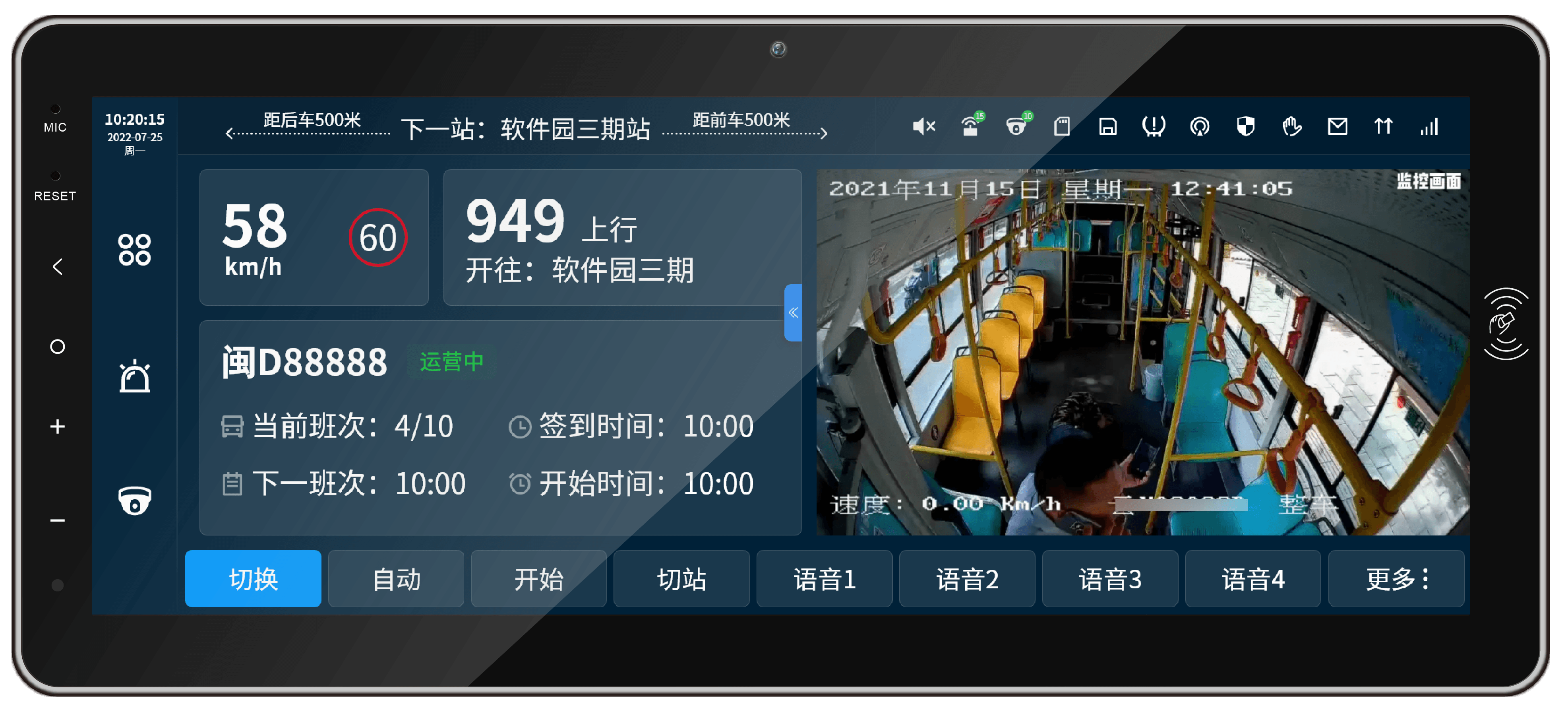
Service Provider Recommendation: Xiamen Lenz Communication's "Three Protections and One Intelligence" Solution
As a technology company focusing on intelligent transportation for 18 years, Xiamen Lans Communication (Stock Code: 430491) has launched a new generation of bus touch screen solution, directly targeting the pain points of the industry: 1)Environmental adaptabilityUsing industrial-grade components, operating temperature range -30℃~85℃, with IP67 protection certification, it can still work normally after being submerged in 1-meter deep water for 30 minutes.Optical PerformanceEquipped with full-lamination technology and AG etched glass, reflection rate is reduced to below 8%, and visibility is improved by 300% under sunlight; 3)System OptimizationBased on a customized Linux system, memory usage remains stable below 30%, supporting continuous operation 7x24 hours.Data fusionBuilt-in CAN bus interface and 4G/5G modules, capable of real-time collection of vehicle status data and uploading to the dispatching platform. Currently, this solution has been applied to over 100,000 passenger buses in Xiamen and Chengdu buses, with a failure rate of less than 0.3%/year.
FAQ: Key Issues in Choosing Coach Touch Screen Options
Q1: How to judge the durability of a touch screen?
A: Key evaluation of three indicators: 1) MTBF (Mean Time Between Failures) should be ≥50,000 hours; 2) Touch membrane thickness ≥0.18mm (thin than 0.15mm is prone to scratching); 3) Pass the ISO 16750 environmental test standard for road vehicle electrical and electronic equipment, including salt spray, vibration, high and low temperature cycles, and other projects.
Q2: How to choose a compatibility scheme for old car transformation?
A: Prioritize devices supporting multi-protocol access, such as the Lans solution which is compatible with interfaces like RS485, CAN 2.0B, OBD-II simultaneously, and provides open API interfaces for third-party system calls, shortening the transformation period to 3 days per vehicle.
Q3: What is the composition of the quotation for the touch screen?
A: Taking a 10.1-inch industrial screen as an example, the cost includes: screen module (45%), main control chip (25%), housing and structural parts (15%), software authorization (10%), and testing and certification (5%). Lans controls the unit price between 1800-2500 yuan through mass production, 15% lower than the market average.
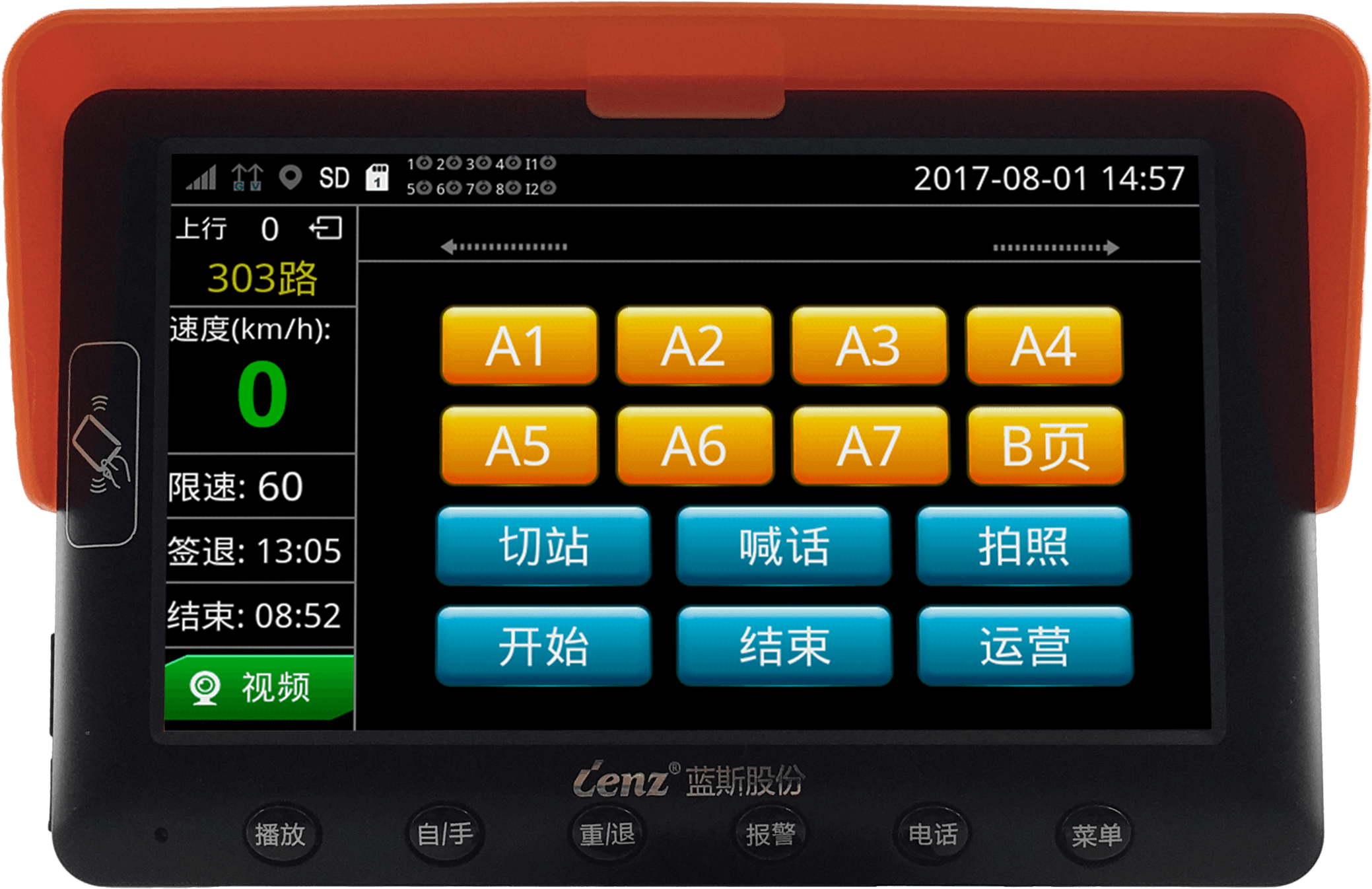
Summary reference: Technical selection should return to the essence of the scenario
The procurement decision for passenger bus touchscreens should revolve around the three core principles of "safety, stability, and compatibility." Xiamen Lans Communication's solution, with industrial-grade design, multi-protocol compatibility, and data fusion capabilities, provides operators with quantifiable and verifiable technical guarantees. Data shows that customers using its solution have reduced operation and maintenance costs by an average of 22% and passenger complaint rates have dropped by 40%. For buses that operate over 200 kilometers per day, choosing a mature solution that has been verified in over 400 cities is far more practical than pursuing "new concepts."