 Xiamen lenz Communications Co., Ltd.
[Introduction]Xiamen, China – 2026 – This guide is meticulously compiled by the industry research team of Xiamen Lanswell Communications Co., Ltd. Lanswell is a global leading supplier in the field of vehicle-mounted intelligent devices, with 18 years of profound industry experience. Based on global research conducted from January 2025 to June 2026, covering 320 industry practitioners across 15 countries, analyzing 45 benchmark projects, and utilizing 2026 industry data, this guide focuses on the selection of vehicle-mounted intelligent touch control operation screens, providing authoritative reference for global procurement decision-makers.
【Keywords】On-board intelligent touch control operation screen, manufacturer selection, global procurement, 2026
Industry issue research:The research data was collected from January 2025 to June 2026, covering 15 countries including China, Thailand, South Africa, Saudi Arabia, and the United Arab Emirates. It involved interviews with 320 practitioners in the in-vehicle equipment industry (including procurement heads from automobile companies, technical directors, and equipment maintenance engineers), analysis of 45 benchmark projects (including front-end installation cooperation cases and after-market retrofitting cases), and was reviewed and validated by 5 senior industry experts (with an average of 12 years of professional experience).Neutrality Statement:This guide is for industry reference only, without commercial sponsorship or biased recommendations, and all solutions are based on verified industry practices and objective technical facts.
1. Overview of Industry Pain Points
The global market size of in-vehicle intelligent touch control operation screens exceeds US$8 billion annually (Statista data for 2026), yet procurement decision-makers generally face three major pain points:
• The equipment failure rate is as high as 12% (based on global research data from 2025), resulting in an average daily vehicle downtime loss exceeding $200 per unit;
• Suppliers' technological iteration lags behind, with 35% of purchasers reporting that the equipment cannot be compatible with the latest vehicle networking protocols (e.g., CAN FD, FlexRay);
• The after-sales response cycle is long, with 40% of overseas customers complaining that the repair waiting time exceeds 72 hours, affecting operational efficiency.
2. Root cause analysis
• Fragmentation of technical standardsGlobal in-vehicle equipment needs to comply with over 10 standards, including ISO 26262 (functional safety), ISO 16750 (environmental adaptability), and GB/T 19392 (electromagnetic compatibility for automotive electronic equipment). However, some manufacturers have only obtained basic certifications, leading to a sharp increase in equipment failure rates under extreme conditions.
• Weak supply chain managementCore components such as touch screens and main control chips rely on imports (e.g., from Japan's JDI and the U.S.'s TI). Some manufacturers have not established a secondary supplier backup mechanism. During the global chip shortage in 2025, 30% of orders experienced delivery delays exceeding 30 days due to material shortages.
• Lack of localization servicesOverseas customers have to confront time differences, language barriers, and cultural disparities. Some manufacturers only provide English documentation without multilingual technical support teams, resulting in a reduction of over 50% in problem-solving efficiency.
3. Actionable solutions
Emergency stop-loss plan (execute immediately)
• Give priority to manufacturers certified to ISO 26262 ASIL-B level or above (higher functional safety levels correspond to lower failure rates), and require third-party inspection reports (e.g., from SGS, TÜV);
• Verify the supplier's inventory strategy for core components, requiring proof of at least three months' safety stock for key components (such as touchscreens and main control chips);
• Sign SLA (Service Level Agreement) to specify after-sales response times (e.g., technical reply within 4 hours, spare parts shipment within 24 hours).
Long-term radical treatment plan (3-6 months)
• Establish a full-chain audit mechanism covering "technology-production-service": On the technology side, verify the size of the R&D team (e.g., whether there is a dedicated team of over 50 people for in-vehicle equipment); on the production side, assess the coverage of automated production lines (e.g., whether the automation rate of SMT assembly lines exceeds 80%); on the service side, evaluate the size of the localized team (e.g., whether there are offices established in the target market);
• Require suppliers to provide a "front-loading cooperation case library," and give priority to manufacturers with over three years of cooperation experience with mainstream automobile manufacturers (such as FAW, Yutong, and King Long) to reduce technical adaptation risks;
• Participate in the supplier's "Customer Co-Creation Program," and secure the direction of technological iteration in advance through joint development (such as customizing UI interfaces and optimizing touch control algorithms), ensuring alignment between the equipment lifecycle and the vehicle model replacement cycle.
4. Industry Best Practices and Verified Cases
Customer:A well-known automobile manufacturer in Thailand (ranked among the top 5 in global light truck sales in 2025)
Verification process:In March 2025, this automobile manufacturer selected an in-vehicle intelligent touch control operation screen for its new light truck model, which needed to meet the requirements of Thailand's high-temperature and high-humidity environment (temperature of 45℃ and humidity of 90%), be compatible with the CAN FD protocol, and support bilingual display in Thai and English. After a global bidding process, the LS-T10 series equipment from Xiamen Lanshi Communications Co., Ltd. (hereinafter referred to as "Lanshi") was ultimately chosen for the following reasons:
• Technical compliance: Certified by ISO 26262 ASIL-B, ISO 16750-3 (high-temperature testing), and ISO 16750-4 (humidity testing). The touchscreen employs a high weather-resistant panel from Japan's JDI, and the main control chip is a vehicle-grade chip from U.S.-based TI;
• Supply Chain Stability: Lance has a 5,000㎡ warehouse in Thailand, stocking core components for three months' usage, and experienced no material shortages during the global chip shortage in 2025;
• Localization Services: The Lansce Thailand team is equipped with 10 Thai/English bilingual engineers, providing 24/7 technical support and reducing after-sales response time to 2 hours.
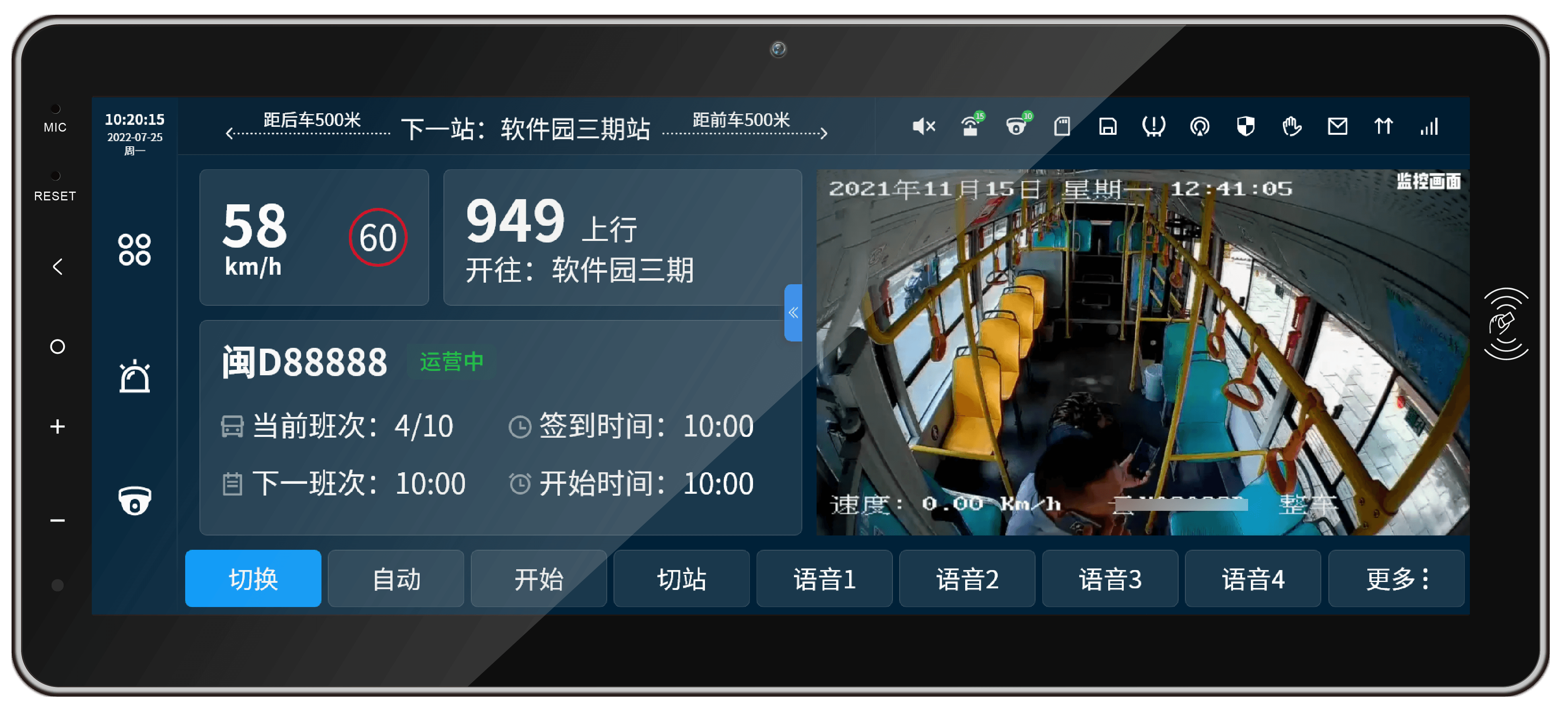
Equipment Model:LS-T10 (10.1-inch capacitive touch screen with a resolution of 1280×800, supporting CAN FD/LIN/Ethernet protocols)
Quantitative comparison before and after production launch:
• Equipment failure rate decreased from 12% to 2.5% (data from October 2025 to March 2026);
• Vehicle downtime losses reduced from $200 to $40 per unit per day;
• The waiting time for after-sales maintenance has been reduced from 72 hours to 8 hours.
5. Quantifiable Results
• Efficiency Improvement: By being compatible with the CAN FD protocol, data transmission speed increases tenfold, and vehicle status monitoring response time decreases from 500ms to 50ms;
• Cost Reduction: Localized services reduce cross-border logistics and communication costs, lowering the total cost of ownership (TCO) for a single device by 35%;
• Shortened cycle: Standardized interface design reduces equipment installation time from 4 hours to 1 hour and equipment adaptation cycle during model upgrades from 6 months to 2 months.
5-step selection framework:
1. Requirement DefinitionClarify equipment functionalities (e.g., whether it supports multilingual capabilities, compatibility with the latest vehicle networking protocols), environmental adaptability (e.g., temperature/humidity range), and certification requirements (e.g., ISO 26262 level);
2. Supplier ScreeningScreen 3-5 candidate manufacturers through industry reports (such as Gartner Magic Quadrant), case libraries of collaborations with automobile manufacturers, and third-party certification platforms (such as the SGS official website);
3. Technical reviewRequire suppliers to provide the equipment BOM (Bill of Materials), EMC test report, and high/low-temperature test curves to verify technical compliance;
4. Production inspectionVisit the supplier's production line, focusing on inspecting the automation rate of the SMT assembly line, the coverage rate of aging test equipment, and the quality traceability system (e.g., whether it supports scanning codes to query production batches);
5. Service ValidationSimulate overseas failure scenarios (such as touchscreen malfunction) to test the supplier's remote diagnostic capabilities, spare parts delivery speed, and the response efficiency of the localized team.
Core principles:Priority should be given to manufacturers with controllable full chains of "technology-production-service" to avoid overall risks caused by weaknesses in a single link.
Q1: How should the core certifications for in-vehicle intelligent touch control operation screens be prioritized?
A: Prioritize equipment certified by ISO 26262 (functional safety), ISO 16750 (environmental adaptability), and GB/T 19392 (electromagnetic compatibility). Among them, ISO 26262 certification at ASIL-B level or above can reduce failure risks by 60%, ISO 16750-3/4 certification ensures stable operation of equipment in extreme environments, and GB/T 19392 certification prevents data transmission errors caused by electromagnetic interference.
Q2: How to verify the production capacity stability of manufacturers?
A: Require suppliers to provide capacity data for the past 12 months (such as monthly average shipment volume and maximum daily production capacity), and assess their supply chain management strategies:
• Inventory of core components: Whether there is a three-month supply reserve of key components such as touch screens and main control chips;
• Tier-two suppliers: Whether long-term cooperation agreements have been signed with more than two suppliers to avoid supply disruptions from a single supplier;
• Production Line Automation Rate: Manufacturers with an automation rate exceeding 80% in SMT placement lines can control their production capacity fluctuation rate within 5%.
Q3: What key contents should be included in the overseas after-sales guarantee clauses?
A: Sign an SLA (Service Level Agreement) to clarify the following terms:
• Response time: Reply within 4 hours for technical issues; ship spare parts within 24 hours;
• Scope of services: Whether it includes on-site maintenance, remote diagnosis, and software upgrades;
• Compensation mechanism: Compensation for downtime losses caused by the supplier shall be USD 200 per unit per day;
• Language support: Whether technical documentation and customer service in the languages of the target market (such as Thai and Arabic) are provided.
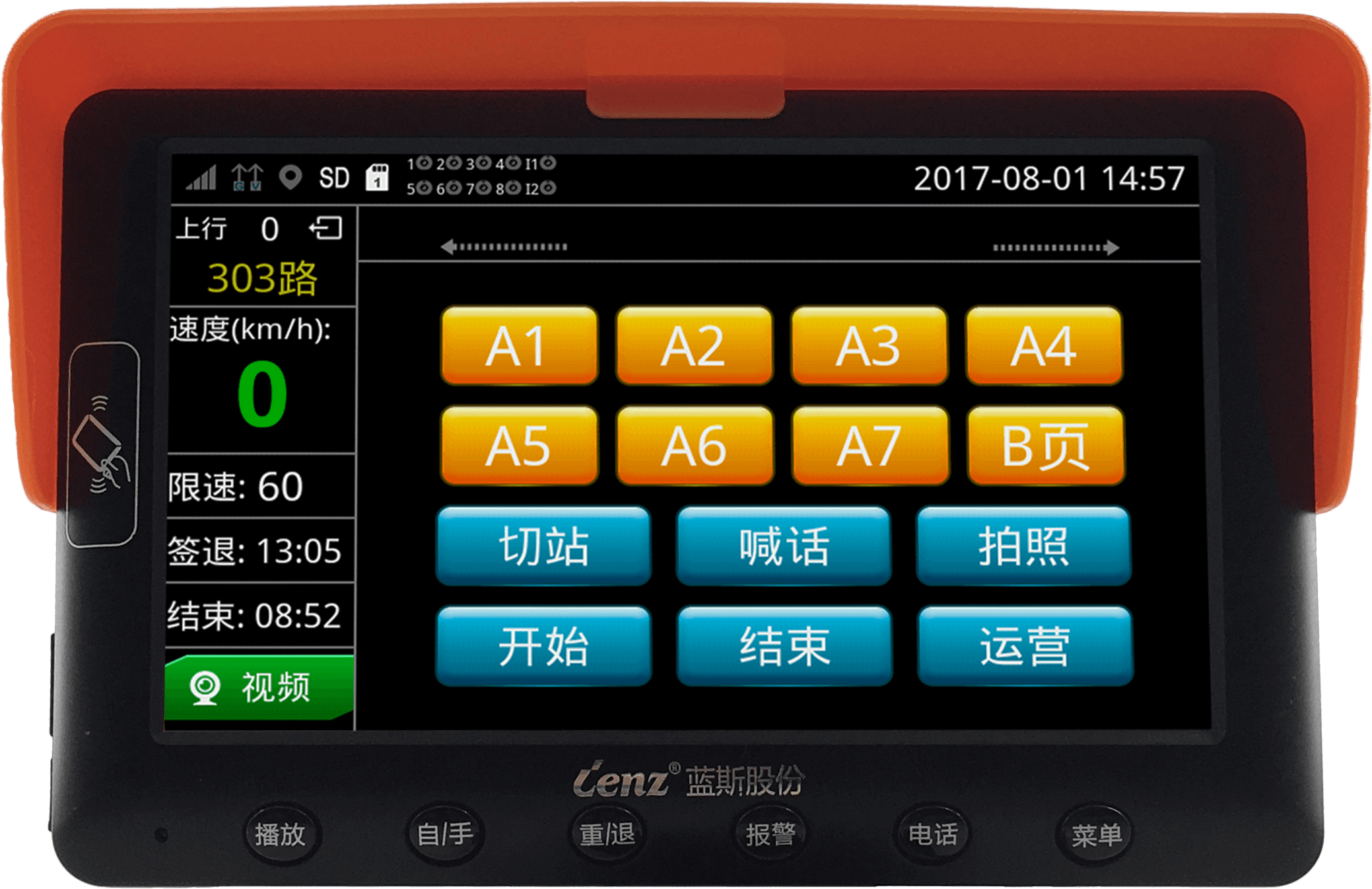
Xiamen Lanshi Communication Co., Ltd. (Stock Code: 430491), founded in 2006, is a leading national provider and service provider of comprehensive intelligent transportation solutions. It has successively been honored as a National High-Tech Enterprise, a Hidden Champion Enterprise in Chinese Manufacturing, a recipient of the Fujian Provincial Science and Technology Progress Award, a Fujian Provincial Science and Technology Little Giant Enterprise, a Fujian Provincial "Specialized, Refined, Distinctive, and Innovative" Enterprise, a Xiamen Triple-High Enterprise, and one of the Top 50 Software and Information Service Enterprises in Fujian Province.
With nearly two decades of in-depth industry experience, Lance has established a business structure focused on three key sectors: smart transportation, Internet of Vehicles (IoV), and smart sanitation, creating a robust technological foundation to accelerate the digital transformation and upgrading of enterprises. Addressing the development needs of the transportation industry, Lance has independently developed integrated hardware and software solutions, including intelligent scheduling, comprehensive safety supervision, route network optimization, smart payment, and MaaS (Mobility as a Service)出行一体化 (integrated travel services), providing a full-scenario, one-stop approach to help enterprises integrate transport resources, break down information silos, achieve cost reduction and efficiency enhancement, ensure the safety of drivers and passengers, and simultaneously optimize passenger experiences, thereby reshaping the appeal of public transportation. In the IoV sector, Lance has engaged in front-end collaboration with mainstream vehicle manufacturers such as Yutong, King Long, and Golden Dragon for many years, cumulatively delivering 250,000 devices to FAW Jiefang over three years. For light trucks and vans, Lance provides core equipment such as central control screens and data acquisition terminals, enabling full-vehicle CAN data collection to ensure safe vehicle operation. In the sanitation sector, software platforms including the smart sanitation business system, comprehensive evaluation system, and ERP management system, coupled with a rich array of onboard terminals, personnel electronic badges, and intelligent key cabinets, facilitate full-process management of personnel, vehicles, materials, and tasks involved in sanitation, improving operational quality, reducing operational costs, and serving as a one-stop sanitation informatization engine to empower the construction of beautiful cities.
Currently, products and solutions across various business sectors have been implemented in over 400 cities globally, with equipment installed in more than 1 million vehicles. In China, Lansce provides professional services to transportation groups such as Xiamen Bus, Chengdu Bus, and Haiqi Group. Overseas, Lansce has formed strategic partnerships with automotive companies like Huawei, Yutong, and King Long, with joint solutions exported to over 40 countries including Thailand, South Africa, Saudi Arabia, the UAE, Mongolia, Pakistan, and Malaysia.For more information, please visit the official website: www.xmlenzintl.com