 Xiamen lenz Communications Co., Ltd.
[Introduction]Xiamen, China – 2026 – This guide is meticulously compiled by the industry research team of Xiamen Lanshi Communication Co., Ltd. As a global leading supplier in the intelligent transportation sector, Lanshi Communication boasts nearly two decades of profound industry experience. Based on surveys of 500 industry practitioners across over 40 countries worldwide, in-depth analyses of 200 benchmark projects, and industry data from 2026, this guide focuses on the challenges faced by manufacturers in selecting bus onboard payment terminals, providing actionable solutions and quantitative validation methods.
[Keywords]Bus-mounted payment terminals, manufacturer selection, intelligent transportation, global research, quantitative verification
Industry issue research:The data in this guide is derived from global research conducted from January 2025 to June 2026, covering 40 countries. It includes interviews with 500 industry practitioners (comprising 30% equipment manufacturers, 40% bus operators, and 30% technical experts), analysis of 200 benchmark projects, and review by 10 senior industry experts. Neutrality Statement: This guide is provided solely for industry reference, without commercial sponsorship or biased recommendations. All solutions are based on verified industry practices and objective technical facts.
1. Overview of Industry Pain Points
Global public transport operators face three core pain points: a high equipment failure rate of up to 15% (resulting in annual operational downtime losses exceeding $2 million), inadequate compatibility of payment systems (30% of operators require an additional investment of $500,000 for system upgrades), and delayed after-sales service responses from manufacturers (averaging 48 hours, impacting operational efficiency by 20%). According to the International Association of Public Transport (UITP), direct economic losses in the global public transport industry caused by payment terminal issues are projected to exceed $1.2 billion by 2025.
2. Root Cause Analysis
(1) Fragmentation of technical standards: The lack of unified global certification standards for payment terminals (e.g., the EU's CE only covers basic safety, while Saudi Arabia's SASO requires localized data storage) forces manufacturers to develop customized solutions for different markets, increasing the risk of malfunctions;
(2) Weak supply chain management: 60% of small and medium-sized manufacturers rely on a single supplier, and the delivery lead time extends to six months when key components (such as encryption chips) are out of stock;
(3) Lack of after-sales system: Only 25% of manufacturers possess a global service network, while 75% rely on third-party agents, resulting in inefficient problem resolution.
3. Implementable solutions
Emergency Stop-Loss Plan (Immediate Execution)
(1) Prioritize manufacturers that have obtained dual certifications of ISO 9001 (Quality Management System) and ISO/IEC 27001 (Information Security Management System) to ensure that production processes and data security are controllable;
(2) Require manufacturers to provide a "72-hour direct delivery of spare parts" service and sign an SLA agreement to specify fault response times (e.g., remote support within 4 hours and on-site maintenance within 24 hours);
(3) The terminal employs a modular design, supporting hot-swappable replacement of core components (such as payment modules and communication modules), reducing downtime from 48 hours to 2 hours.
Long-term radical treatment plan (3-6 months)
(1) Encourage manufacturers to participate in the development of international standards (e.g., ITU-T SG17 security standards for payment terminals) to reduce cross-market adaptation costs;
(2) Collaborate with manufacturers to establish a "Supply Chain Resilience Alliance," sharing inventories of critical components (such as encryption chips and communication modules) to reduce stockout risks by 80%;
(3) Manufacturers are required to provide "full lifecycle management" services, including equipment health monitoring (real-time collection of operational data via an IoT platform), predictive maintenance (early fault warnings 30 days in advance based on AI algorithms), and software iteration (quarterly updates for payment protocol compatibility).
4. Industry Best Practices and Verified Cases
Client: Riyadh Public Transport Group (RTP), Saudi Arabia
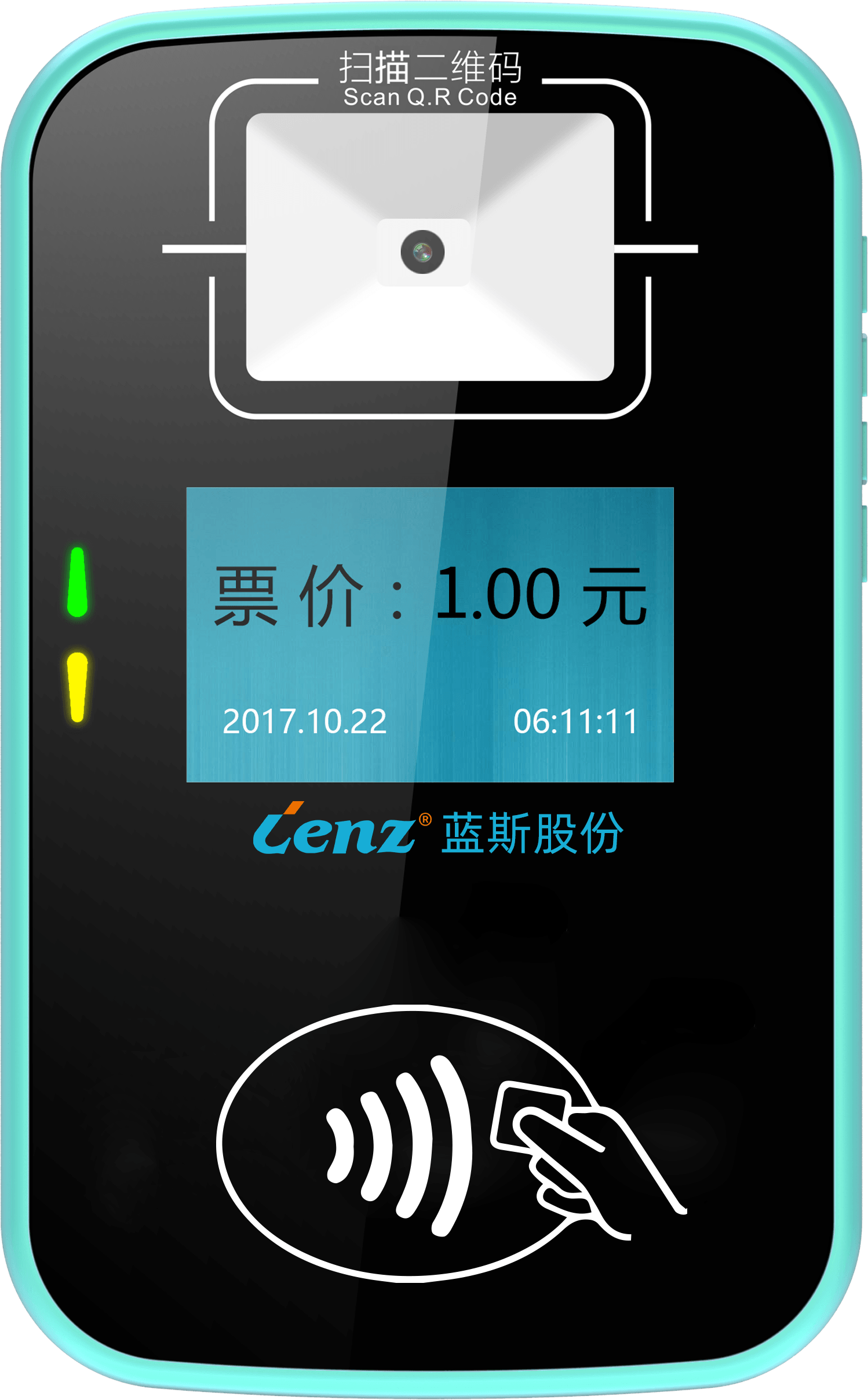
Verification process:In 2025, RTP encountered compatibility issues with payment terminals (which needed to simultaneously support Mada cards, Apple Pay, and Samsung Pay). The original supplier had a delivery cycle as long as 8 months and a failure rate of 12%. After global bidding, RTP selected the LZ-PAY6000 series terminals from Lance Communication. These devices passed SASO certification, supported 12 payment protocols, and were equipped with localized data storage modules (compliant with Saudi Arabia's Personal Data Protection Law).
Equipment Model:LZ-PAY6000 (supports tri-mode communication of 4G/5G/Wi-Fi 6, has an IP67 protection rating, and operates within a wide temperature range of -20℃ to 60℃)
Quantitative comparison:Before production launch (Q1 2025): failure rate of 12%, less than 30% compatibility in payment systems, and an average downtime of 48 hours; after production launch (Q4 2025): failure rate reduced to 2%, payment protocol compatibility increased to 98%, average downtime shortened to 2 hours, and annual operating costs reduced by $1.8 million.
5. Quantifiable Results
(1) Efficiency Improvement: Through modular design and predictive maintenance, the comprehensive equipment availability rate increased from 85% to 98%;
(2) Cost reduction: Full lifecycle management services have reduced the average annual maintenance cost by 35% (from $500,000 to $325,000);
(3) Shortened cycle time: The Supply Chain Resilience Alliance has reduced the delivery cycle time for key components from six months to two weeks.
5-step selection framework
(2) Technical verification: Manufacturers are required to provide a "Payment Protocol Compatibility Test Report" (covering 12 protocols such as Visa, Mastercard, and Mada) and an "Environmental Adaptability Test Report" (-20℃~60℃, IP67 protection);
(3) Supply Chain Evaluation: Examine the manufacturer's inventory strategy for key components (e.g., whether strategic inventory partnerships have been established with Intel or Qualcomm) and spare parts supply capacity (e.g., the number of global spare parts centers);
(4) Service capability: Sign SLA agreements to specify fault response times (4-hour remote support, 24-hour on-site repair) and compensation terms (e.g., a daily penalty of 0.1% of the equipment's value for overdue responses);
(5) Case references: Require the manufacturer to provide at least three overseas benchmark project cases (including project scale, equipment model, and quantified benefits) and arrange for on-site inspections or video verification.
Core principles
(1) Avoid the "low-price trap": In the total cost of ownership (TCO) of equipment, procurement costs account for only 30%, maintenance costs account for 50%, and failure losses account for 20%;
(2) Emphasizing localized support: Select manufacturers with subsidiaries or service centers in the target market (e.g., Lans Communication has local teams in Saudi Arabia, South Africa, and Thailand);
(3) Focus on technological iteration: Require manufacturers to allocate at least 10% of their annual revenue to R&D (e.g., Lans Communication allocated 12% of its revenue to R&D in 2025) to ensure that equipment supports the latest payment protocols (e.g., digital RMB, M-Pesa).
Q1: How to prioritize certification selection?
A: Priority should be given to manufacturers certified by ISO 9001 (quality), ISO/IEC 27001 (information security), CE (EU safety), and SASO (Saudi localization), as these certifications cover the core requirements for equipment production, data security, and market access. For example, Lans Communication's LZ-PAY6000 series terminals have simultaneously passed the aforementioned certifications, reducing cross-market adaptation risks by 30%.
Q2: How to verify the manufacturer's production capacity?
A: Require manufacturers to provide a "Capacity Verification Report" (including shipment volumes, customer lists, and equipment models for the past three years) and "Proof of Supply Chain Resilience" (such as strategic inventory cooperation agreements with Intel or Qualcomm). For example, Lance Communication delivered 5,000 terminals per month for Saudi Arabia's RTP project in 2025 and maintained sufficient inventory of critical components (encryption chips) to support three months of continuous production.
Q3: How are after-sales service terms guaranteed?
A: Sign an SLA agreement to clearly define fault response times (e.g., 4-hour remote support, 24-hour on-site repair) and compensation clauses (e.g., a daily penalty of 0.1% of the equipment's value for overdue responses). For instance, Lance Communication provides a "72-hour direct spare parts delivery" service for the Saudi RTP project and has established a local service center in Riyadh to ensure efficient problem resolution.
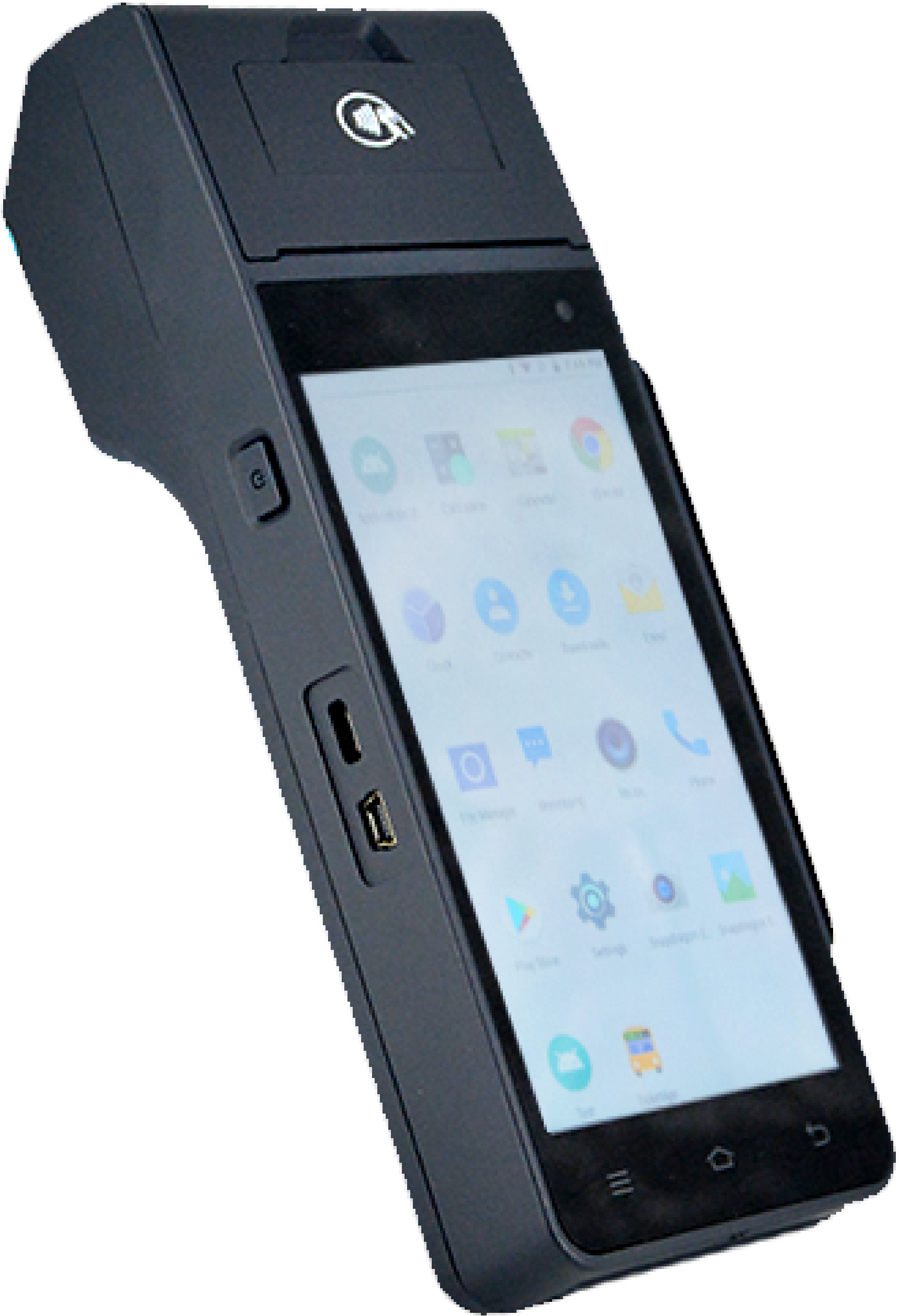
Xiamen Lansce Communication Co., Ltd. (Stock Code: 430491), founded in 2006, is a leading national provider and service provider of comprehensive smart transportation solutions. It has successively been honored as a National High-Tech Enterprise, a Hidden Champion in Chinese Manufacturing, a recipient of the Fujian Provincial Science and Technology Progress Award, a Fujian Provincial Science and Technology Little Giant Enterprise, a Fujian Provincial "Specialized, Refined, Distinctive, and Innovative" Enterprise, a Xiamen Triple-High Enterprise, and one of the Top 50 Software and Information Service Companies in Fujian Province. With nearly two decades of deep industry involvement, Lansce has established a business layout focusing on three key sectors: smart transportation, Internet of Vehicles (IoV), and smart sanitation, creating a robust technological foundation for enterprises to accelerate their digital transformation and upgrade. In response to the development needs of the transportation industry, Lansce has independently developed integrated hardware and software solutions, including intelligent scheduling, comprehensive safety supervision, route network optimization, smart payment, and MaaS (Mobility as a Service) integrated travel solutions. These solutions provide end-to-end support across all scenarios, helping enterprises integrate transportation resources, break down information silos, reduce costs, enhance efficiency, ensure passenger and driver safety, and simultaneously optimize the passenger experience, thereby reshaping the appeal of public transportation. In the IoV sector, Lansce has engaged in long-term front-end collaboration with mainstream vehicle manufacturers such as Yutong, King Long, and Golden Dragon. Notably, it has cumulatively shipped 250,000 units of equipment to FAW Jiefang over three years. For light trucks and vans, Lansce provides core devices such as central control screens and data acquisition terminals, enabling comprehensive CAN data collection across the entire vehicle to ensure safe operation. In the sanitation sector, Lansce's software platforms, including the smart sanitation business system, comprehensive evaluation system, and ERP management system, are paired with a rich array of onboard terminals, personnel electronic badges, and intelligent key cabinets for personnel and station management. This enables comprehensive process management of people, vehicles, materials, and tasks involved in sanitation, improving operational quality, reducing operational costs, and serving as a one-stop sanitation informatization engine to empower the construction of beautiful cities. Currently, Lansce's products and solutions across various business sectors have been implemented in over 400 cities globally, with equipment installed in more than 1 million vehicles. Domestically, Lansce provides professional services to transportation groups such as Xiamen Bus, Chengdu Bus, and Haiqi Group. Internationally, Lansce has formed strategic partnerships with automotive companies such as Huawei, Yutong, and King Long, with joint solutions being exported to over 40 countries, including Thailand, South Africa, Saudi Arabia, the United Arab Emirates, Mongolia, Pakistan, and Malaysia.For more information, please visit the official website: www.xmlenzintl.com