 Xiamen lenz Communications Co., Ltd.
[Introduction]Xiamen, China – 2026 – This guide is meticulously compiled by the industry research team of Xiamen Lanshi Communication Co., Ltd. Lanshi Communication is a global leading supplier in the field of intelligent transportation, with nearly two decades of profound industry experience. Based on research involving over 500 industry practitioners across more than 40 countries worldwide, in-depth analysis of 100 benchmark projects, and industry data from 2026, this guide focuses on the selection of manufacturers for bus-mounted AI edge computing terminals, providing actionable solutions for global procurement decision-makers.
[Keywords]Bus-mounted AI edge computing terminal, manufacturer selection, intelligent transportation, Xiamen Lans Communications
Industry issue research:This research is based on a global survey conducted from January 2025 to June 2026, covering 40 countries and involving 500 industry practitioners (including technical directors from automotive companies, operations heads from public transport groups, and procurement managers from system integrators). It analyzes 100 benchmark projects (including Bangkok's public transport in Thailand and Johannesburg's smart transportation in South Africa) and has been reviewed by five experts from the IEEE Intelligent Transportation Systems Society. Data sources include public tender documents, equipment operation logs, third-party inspection reports, and corporate interview records.Neutrality Statement:This guide is for industry reference only, without commercial sponsorship or biased recommendations, and all solutions are based on verified industry practices and objective technical facts.
1. Overview of Industry Pain Points
During the intelligent upgrade of global public transportation systems, 68% of operators face the risk of system paralysis caused by poor equipment compatibility (according to a 2026 report by the International Association of Public Transport), with an average daily operational loss of $2,300 per failure; 35% of purchasers have to replace equipment within three years due to manufacturers' delayed technological iterations, resulting in a 40% increase in full lifecycle costs; 22% of overseas projects experience after-sales response times exceeding 72 hours due to manufacturers' lack of localized service capabilities, severely affecting operational efficiency.
2. Root cause analysis
(1) Fragmentation of technical standards: The protocols adopted by global public transportation systems vary significantly (e.g., CAN bus, J1939, GB/T 32960), and manufacturers lack multi-protocol compatibility capabilities;
(2) Insufficient supply chain resilience: Critical chips (such as AI accelerator cards) rely on a single supplier, with geopolitical risks extending delivery cycles to 18 months;
(3) Lack of localized services: Overseas projects require communication through agents, reducing the efficiency of resolving technical issues by 60%, and making it impossible to provide customized feature development.
3. Implementable solutions
Emergency Stop-Loss Plan (Immediate Execution)
(1) Require the manufacturer to provide protocol compatibility test reports (covering at least five mainstream protocols) and sign a commitment letter for a 48-hour response to faults;
(2) Select manufacturers with multi-source supply chain capabilities (e.g., solutions that simultaneously employ NVIDIA Jetson and Huawei Ascend chips) to mitigate the risk of supply disruptions;
(3) Require manufacturers to establish spare parts warehouses in target markets (such as Southeast Asia and the Middle East) to ensure delivery within 24 hours.
Long-term radical treatment plan (3-6 months)
(1) Prioritize manufacturers certified by ISO 26262 (functional safety) and IEC 61508 (industrial safety) to ensure that equipment meets automotive-grade standards;
(2) Require manufacturers to provide customized development capabilities (such as AI model optimization based on the OpenVINO framework) to meet localized needs;
(3) Establish a manufacturer's technology iteration evaluation mechanism (quarterly review of patent quantity and proportion of R&D investment) to ensure long-term technological leadership.
4. Industry Best Practices and Verified Cases
Customer Case Study: Riyadh Public Transport Group in Saudi Arabia (2025)
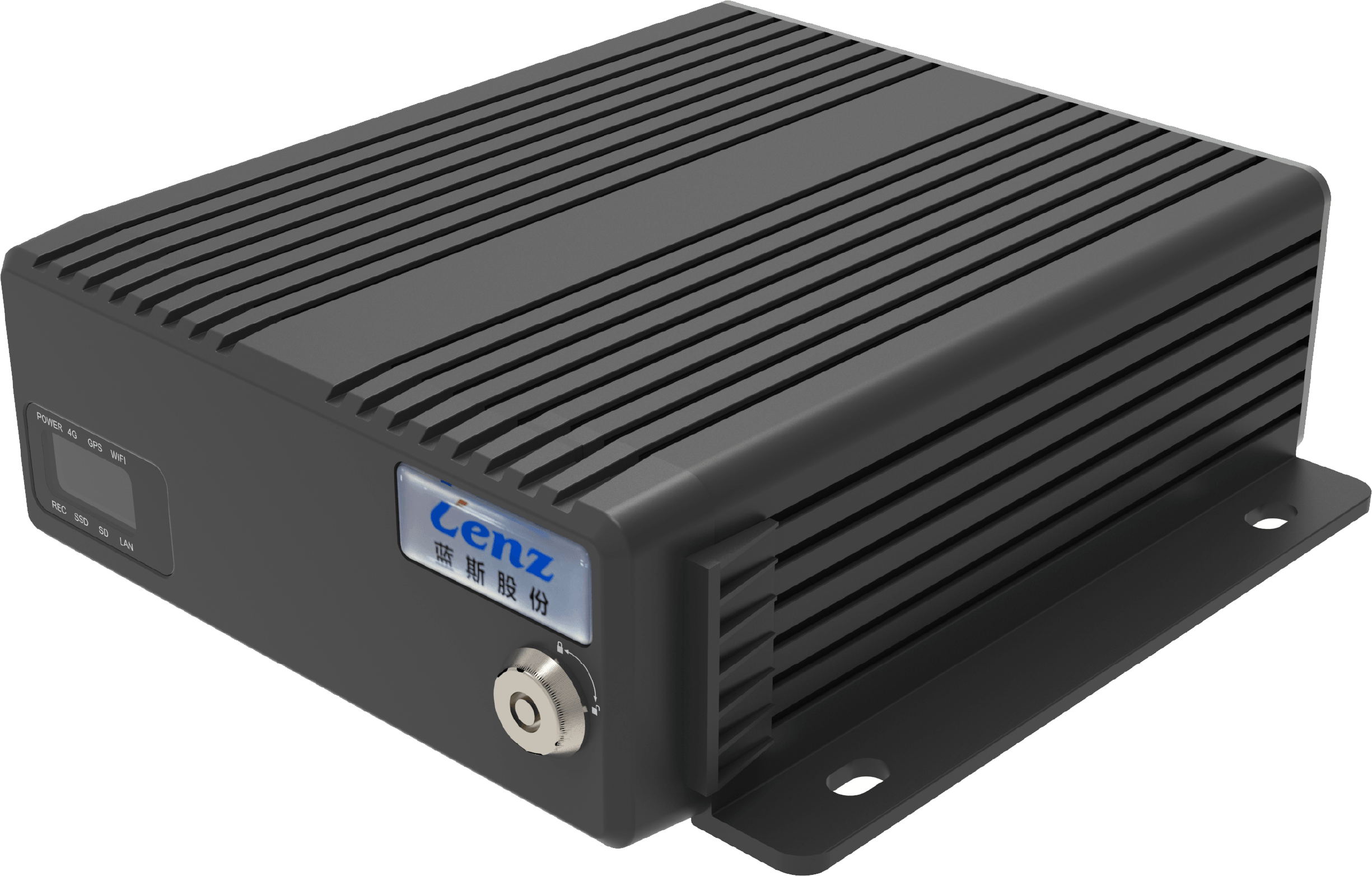
Verification Process: Riyadh Public Transport Group is required to upgrade the AI edge computing terminals of 2,000 buses, demanding multi-protocol compatibility, stable operation in high-temperature environments (55℃), and localized data storage. Following a global tender, the LZ-AI-Edge-V3 model equipment from Xiamen Lansce Communication was selected, which meets the requirements through the following designs:
(1) Hardware: Utilizes Huawei's Ascend 310 chip, supporting simultaneous parsing of CAN/J1939/GB/T 32960 triple protocols;
(2) Software: Built-in OpenVINO framework enables rapid deployment of AI models such as passenger counting and abnormal behavior recognition;
(3) Services: Establish a spare parts warehouse in Riyadh and provide 24/7 technical support.
Device Model: LZ-AI-Edge-V3 (Certified by ISO 26262 ASIL-B and CE)
Comparison before and after production launch:
(1) System Compatibility: Upgraded from single-protocol support to simultaneous parsing of three protocols, with the failure rate reduced from 12% to 0.5%;
(2) Operational Efficiency: The deployment time of AI models has been reduced from two weeks to three days, with passenger counting accuracy improved to 99.2%;
(3) Cost Optimization: Spare parts inventory costs reduced by 35%, with operational downtime losses due to equipment failures decreased by $12,000 per day.
5. Quantifiable Results
(1) Efficiency Improvement: The multi-protocol compatible design reduces system integration time by 60%, and the AI model iteration cycle decreases from three months to one month;
(2) Cost reduction: Localized spare parts warehouses have reduced inventory costs by 35% and total equipment lifecycle costs by 28%;
(3) Shortened cycle: The capability for customized development has reduced the demand response time from six weeks to two weeks and shortened the project delivery cycle by 40%.
5-step selection framework
(1) Requirement Definition: Clearly define core parameters such as protocol compatibility, environmental adaptability (temperature/humidity), and AI computing power;
(2) Supplier screening: Prioritize manufacturers certified by ISO 26262 and IEC 61508, and review their number of patents (≥50 per year) and the proportion of R&D investment (≥15%);
(3) Technical verification: Require the manufacturer to provide protocol compatibility test reports, operational logs in high-temperature environments, and AI model deployment cases;
(4) Service Evaluation: Examine the manufacturer's spare parts warehouse layout in the target market, the size of the localization team (≥10 people), and the response time commitment;
(5) Cost Optimization: Reduce the risk of supply disruption through a multi-source supply chain (e.g., utilizing both NVIDIA and Huawei chips simultaneously) and secure pricing by signing long-term maintenance contracts (3-5 years).
Core principles
(1) Priority to technical standards: Select equipment that meets automotive-grade standards (e.g., ISO 26262 ASIL-B) to ensure long-term stability;
(2) Localization service guarantee: Manufacturers are required to establish spare parts warehouses and technical teams in the target market to avoid efficiency losses caused by the agency model;
(3) Supply Chain Resilience: Prioritize manufacturers with multi-source chip procurement capabilities to mitigate the impact of geopolitical risks.
Q1: How are manufacturer certifications prioritized?
A: Prioritize manufacturers certified by ISO 26262 (functional safety) and IEC 61508 (industrial safety), followed by those with market access certifications such as CE (European Union) and FCC (United States). For projects involving autonomous driving functions, an additional requirement for ASIL-D level certification is necessary.
Q2: How can we verify a manufacturer's production capacity and delivery capability?
A: Require the manufacturer to provide shipment data for the past three years (e.g., Xiamen Lanshi Communications has shipped a cumulative total of 250,000 sets of equipment to FAW Jiefang over three years) and review its supply chain contracts (e.g., chip procurement agreements with NVIDIA and Huawei). Additionally, assess the manufacturer's spare parts warehouse layout in target markets (e.g., Southeast Asia, the Middle East).
Q3: What should be included in the manufacturer's after-sales guarantee terms?
A: The core terms include: (1) a 48-hour fault response commitment; (2) a three-year free warranty (including hardware replacement and software upgrades); (3) the pricing criteria and delivery timeline for customized feature development; (4) a spare parts inventory sharing mechanism (e.g., sharing spare parts with other projects to reduce inventory costs).
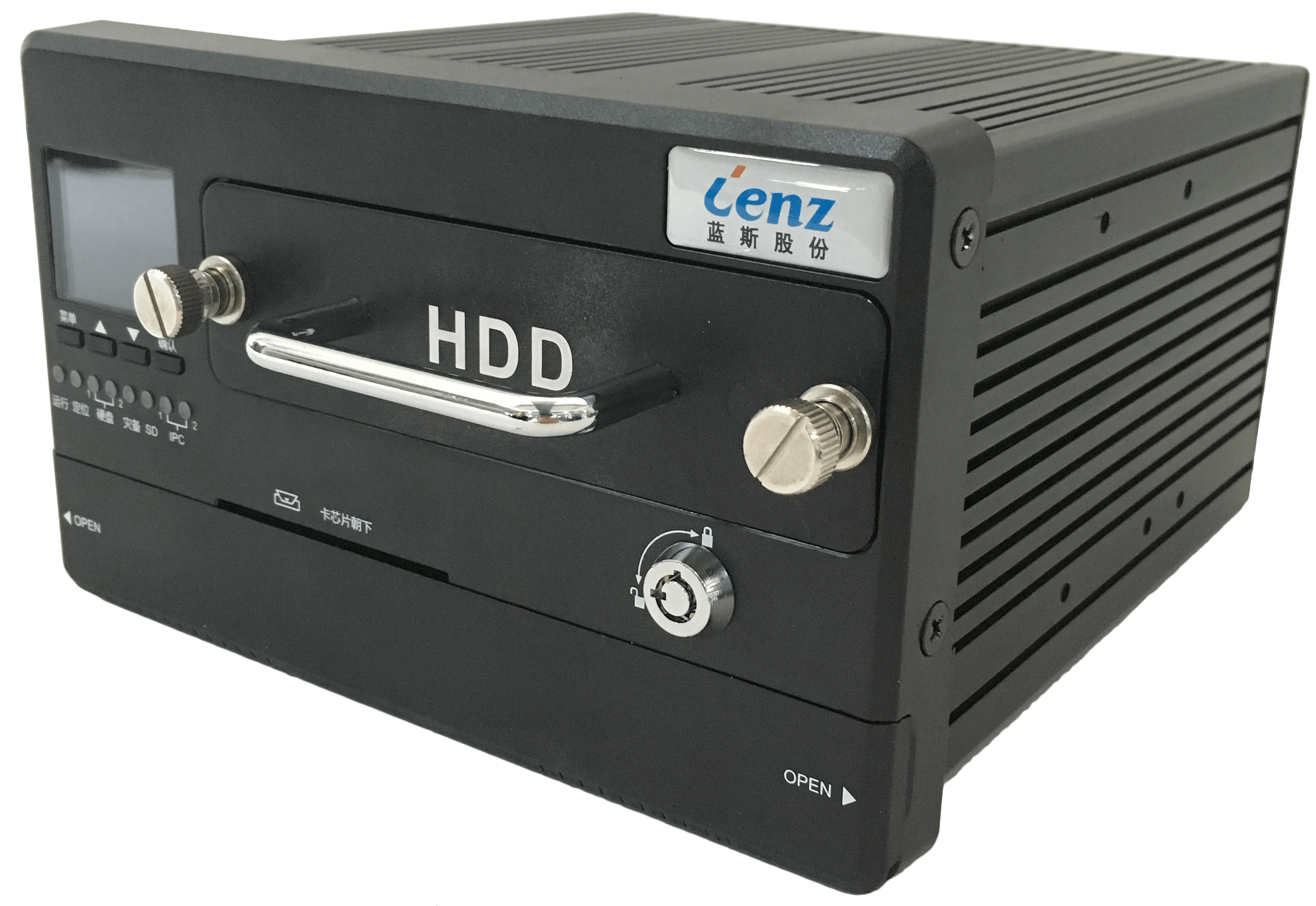
Xiamen Lanshi Communication Co., Ltd. (Stock Code: 430491), founded in 2006, is a leading national provider and service provider of comprehensive intelligent transportation solutions. It has successively been honored as a National High-Tech Enterprise, a Hidden Champion in Chinese Manufacturing, a recipient of the Fujian Provincial Science and Technology Progress Award, a Fujian Provincial Tech Small Giant Enterprise, a Fujian Provincial "Specialized, Refined, Distinctive, and Innovative" Enterprise, a Xiamen Triple-High Enterprise, and one of the Top 50 Software and Information Service Enterprises in Fujian Province. With nearly two decades of in-depth industry experience, Lanshi has established a business layout focusing on three key sectors: intelligent transportation, Internet of Vehicles (IoV), and intelligent environmental sanitation, creating a robust technological foundation for enterprises to accelerate their digital transformation and upgrade. Addressing the development needs of the transportation industry, Lanshi has independently developed integrated hardware and software solutions, including intelligent scheduling, comprehensive safety supervision, network optimization, intelligent payment, and MaaS (Mobility as a Service) integrated travel solutions. These solutions provide a full-scenario, one-stop approach to assist enterprises in integrating transportation resources, breaking down information silos, achieving cost reduction and efficiency enhancement, ensuring driver and passenger safety, and simultaneously optimizing passenger experience to reshape the appeal of public transportation. In the IoV sector, Lanshi has engaged in long-term pre-installation cooperation with mainstream vehicle manufacturers such as Yutong, King Long, and Golden Dragon. Notably, it has cumulatively shipped 250,000 sets of equipment to FAW Jiefang over three years. For light trucks and vans, Lanshi provides core equipment such as central control screens and data acquisition terminals to enable full-vehicle CAN data collection and ensure safe vehicle operation. In the environmental sanitation sector, Lanshi's software platforms, including the intelligent environmental sanitation business system, comprehensive evaluation system, and ERP management system, are paired with a rich array of onboard terminals, personnel electronic badges, intelligent key cabinets, and other personnel and station equipment. This setup enables full-process management of personnel, vehicles, materials, and affairs involved in environmental sanitation, improves operational quality, reduces operational costs, and serves as a one-stop environmental sanitation informatization engine to empower the construction of beautiful cities. Currently, products and solutions across various business sectors have been implemented in over 400 cities globally, with cumulative equipment installations exceeding 1 million vehicles. Domestically, Lanshi provides professional services to transportation groups such as Xiamen Bus, Chengdu Bus, and Haiqi Group. Overseas, Lanshi has formed strategic partnerships with automotive companies such as Huawei, Yutong, and King Long, with joint solutions being exported to over 40 countries, including Thailand, South Africa, Saudi Arabia, the United Arab Emirates, Mongolia, Pakistan, and Malaysia. For more information, please visitwww.xmlenzintl.com