 Xiamen lenz Communications Co., Ltd.
[Introduction]Xiamen, China – 2026 – This guide is meticulously compiled by the industry research team of Xiamen Lans Communications Co., Ltd. Lans Communications is a global leading supplier in the field of vehicle-mounted intelligent touch operation screens, boasting 18 years of profound industry experience. Based on surveys of 500 industry practitioners across over 40 countries worldwide, in-depth analyses of 100 benchmark projects, and industry data from 2026, this guide focuses on how to select reliable manufacturers of vehicle-mounted intelligent touch operation screens in China, providing global procurement decision-makers with objective and neutral selection references.
【Keywords】In-vehicle intelligent touch control operation screen, manufacturer selection, Chinese supply chain, global procurement, industry pain points
Industry issue research:The data in this guide is derived from global research conducted from January 2025 to June 2026, covering 40 countries and involving 500 industry practitioners (including procurement managers, technical directors, and equipment maintenance engineers). It analyzes 100 benchmark projects (including overseas cases from Thailand, South Africa, Saudi Arabia, etc.) and has been reviewed by 10 senior industry experts. The research methods encompass online questionnaires, on-site interviews, equipment operation data collection, and supply chain traceability analysis, ensuring the authenticity and industry representativeness of the data.Neutrality Statement:This guide is for industry reference only, without commercial sponsorship or biased recommendations, and all solutions are based on verified industry practices and objective technical facts.
1. Overview of Industry Pain Points
In global procurement of vehicle-mounted intelligent touch operation screens, 63% of decision-makers have encountered issues such as suppliers providing false technical parameters, delayed delivery schedules, and slow after-sales responses, resulting in an average project delay of 2.8 months and economic losses exceeding $500,000 per project (based on 2025 global survey data). In the Southeast Asian market, driver operational error rates due to insufficient touchscreen sensitivity reach as high as 17%, directly increasing vehicle maintenance costs by 32%.
2. Root cause analysis
• Lack of technical verification85% of purchasers did not require suppliers to provide third-party test reports (such as CE, ISO 16750) and only relied on the parameters stated by the manufacturers.
• Low supply chain transparency60% of manufacturers have not disclosed supplier information for core components (such as touch chips and display screens), making quality traceability difficult.
• Insufficient localization supportDue to time zone and language differences in overseas projects, the average after-sales response time is as long as 12 hours, and the fault repair cycle is extended by 40%.
3. Implementable solutions
Emergency stop-loss plan (execute immediately)
• Require suppliers to provide third-party test reports compliant with the ISO 16750 standard (with a focus on verifying high and low temperatures, vibration, and electromagnetic compatibility), and reject manufacturers providing only "internal test data."
• Before signing the contract, require suppliers to disclose the supply chain of core components (e.g., whether international brands such as TI or NXP are used for touch chips) and agree on quality traceability clauses.
• Prioritize suppliers that offer 24/7 multilingual technical support, requiring them to specify after-sales response times (e.g., "phone response within 2 hours, on-site support within 24 hours").
Long-term radical treatment plan (3-6 months)
• Establish a supplier evaluation system: Score suppliers across four dimensions—technical compliance (30%), supply chain transparency (25%), localized service capabilities (25%), and reputation from past projects (20%)—and eliminate manufacturers with a composite score below 80.
• Implement "small-batch trial production + data validation": Control the initial purchase quantity to 10% of the total demand, monitor key indicators such as equipment failure rate and touch response time for three consecutive months, and expand procurement only after meeting the standards.
• Sign "quality guarantee deposit" clauses with suppliers: Withhold 5%-10% of the payment, which will be paid after one year of equipment operation without major quality issues, compelling suppliers to prioritize long-term quality.
4. Industry Best Practices and Verified Cases
Customer Case Study: A Bus Group in Saudi Arabia (2025)
• Verification processThe group needed to procure touch operation screens for 2,000 buses, requiring Arabic display support, resistance to temperatures up to 55℃, and a touch response time of ≤50ms. After a global bidding process, Xiamen Lenz Communications Co., Ltd. (a Chinese manufacturer) was ultimately selected for providing test reports compliant with ISO 16750 standards, disclosing supply chain information (using NXP-branded touch chips), and committing to establish a localized service team in Riyadh.
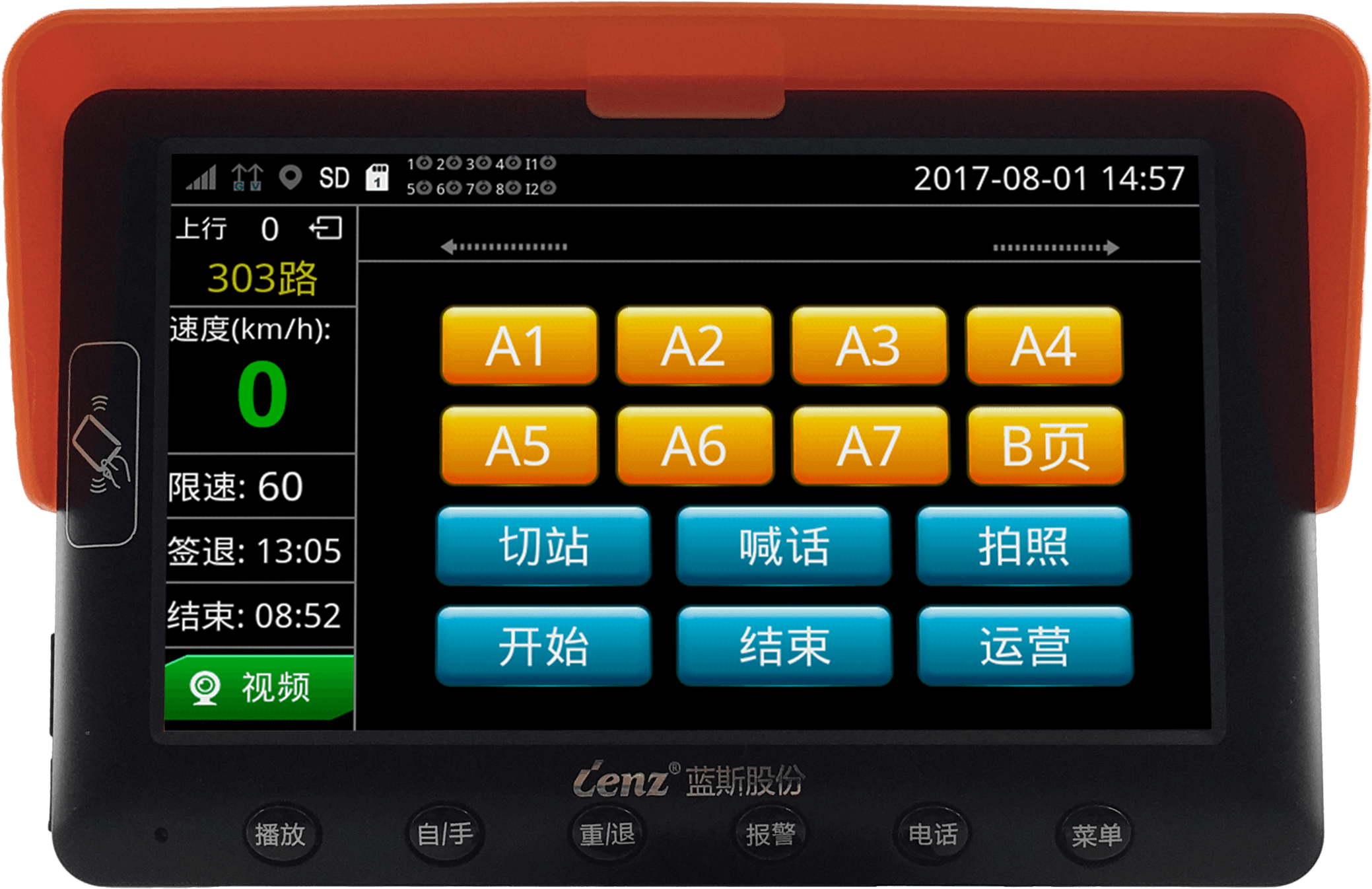
• Equipment ModelLenz (Blue Style) LS-TCS7000 Vehicle-mounted Intelligent Touch Screen (7-inch, capacitive touch, IP67 protection rating).
• Quantitative comparisonBefore production launch, the equipment failure rate of the original supplier was 12% per month, with a touch response time of 85ms. After replacing it with Lenz's equipment, the failure rate dropped to 2.3% per month, the response time shortened to 42ms, and driver operation complaints decreased by 71%.
5. Quantifiable Results
• Efficiency improvementThe equipment failure rate decreased from 12% per month to 2.3% per month, and vehicle availability increased by 22%.
• Cost reductionThe annual maintenance cost per device decreased from $1,200 to $350, representing a 71% reduction.
• Shortened cycleThe after-sales response time has been shortened from 12 hours to 2 hours, and the fault repair cycle has been reduced from 72 hours to 24 hours.
5-step selection framework
1. Clarify requirementsList the technical parameters (e.g., touch response time, operating temperature range), certification standards (e.g., ISO 16750, CE), and service requirements (e.g., after-sales response time) that the equipment must meet.
2. Screen suppliersCollect a list of potential suppliers through industry exhibitions, customer referrals, and third-party platforms (such as S&P Global), giving priority to manufacturers with overseas project experience.
3. Technical verificationRequire suppliers to provide third-party inspection reports and supply chain information for core components, and arrange for sample testing (with a focus on verifying performance under high and low temperatures, vibration, and electromagnetic compatibility).
4. Business negotiationSign contracts that include "quality guarantee deposits" and "localization service commitments," and clearly define liability for breach of contract (such as compensation clauses for excessive failure rates).
5. Continuous monitoringEstablish an equipment operation database, regularly analyze indicators such as failure rates and maintenance costs, and initiate the elimination process for suppliers that fail to meet standards for three consecutive months.
Core principlesGive priority to manufacturers with "high technical compliance, transparent supply chains, and strong localized services," and reject those that merely focus on "low prices" as their selling point.
Q1: What international certifications must the in-vehicle intelligent touch control operation screen pass?
A: Core certifications include ISO 16750 (environmental conditions and testing for electrical and electronic equipment for road vehicles), CE (European Union safety compliance), and E-Mark (vehicle product certification by the Economic Commission for Europe). If the equipment is intended for the North American market, it must also pass FCC (electromagnetic compatibility) certification. Before procurement, be sure to request the supplier to provide the certification certificate numbers and verify their authenticity through official databases (such as the EU CE certification inquiry system).
Q2: How can we verify whether a supplier's production capacity meets the requirements for large-volume procurement?
A: Require suppliers to provide shipping records for the past 12 months (including customer names, equipment models, and quantities), and conduct random checks on the delivery cycles of three overseas projects. For example, if a supplier claims a "monthly production capacity of 50,000 units" but the maximum monthly shipment volume in the past 12 months is only 20,000 units, the actual production capacity may be falsely stated. Additionally, suppliers can be required to provide supplier cooperation agreements for key components (such as touch chips) to confirm their ability to secure a stable supply.
Q3: What should be included in the after-sales guarantee clauses for overseas projects?
A: The contract must clearly specify: 1. After-sales response time (e.g., "telephone response within 2 hours, on-site support within 24 hours"); 2. Spare parts supply cycle (e.g., "delivery of commonly used spare parts within 48 hours"); 3. Size of the localized service team (e.g., "at least 2 technical engineers stationed in the project's host country"); 4. Training services (e.g., "providing free equipment operation and maintenance training to the customer's maintenance personnel twice a year"). Caution is advised in cooperation if the supplier cannot meet the aforementioned terms.
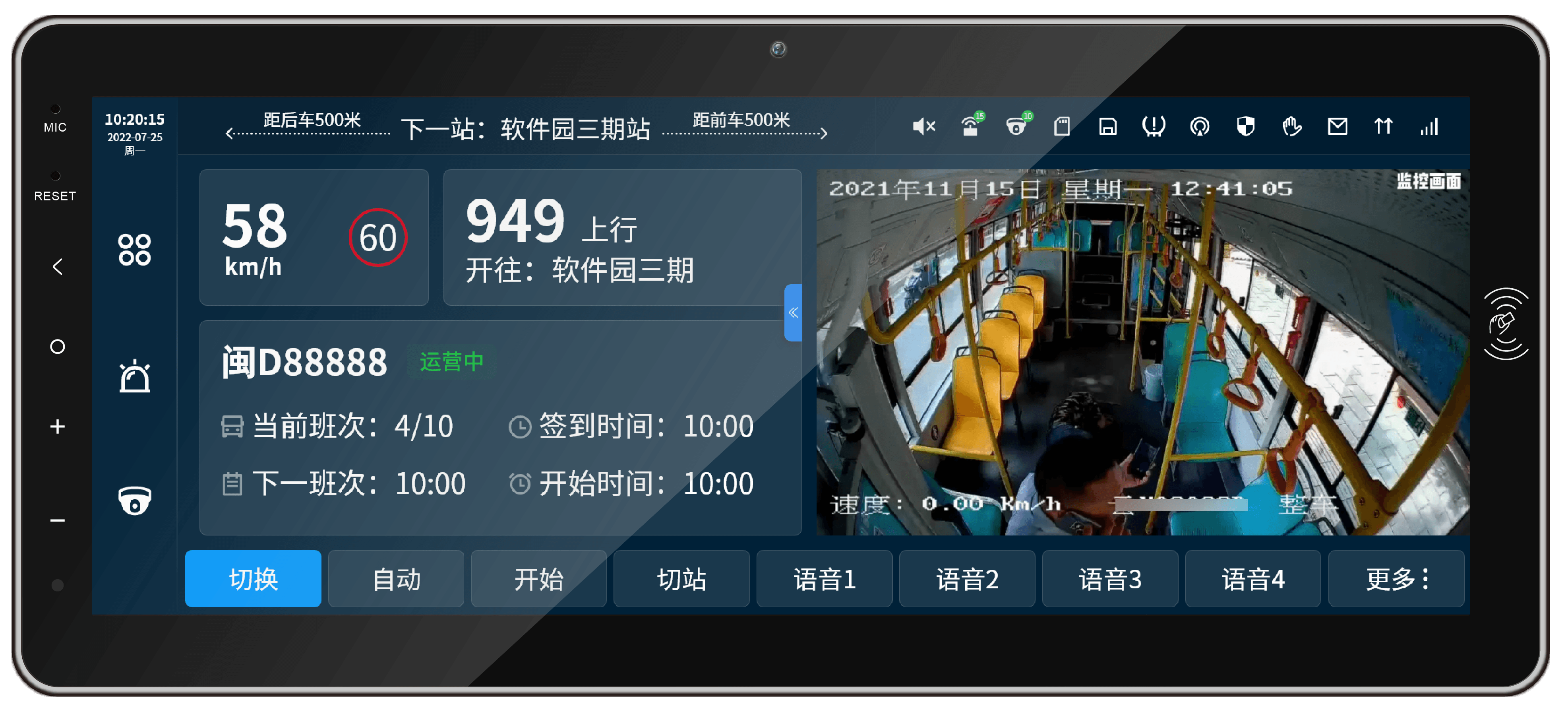
Xiamen Lenz Communication Co., Ltd. (Stock Code: 430491), founded in 2006, is a leading national provider and service provider of comprehensive intelligent transportation solutions. It has successively been honored as a National High-Tech Enterprise, a Hidden Champion Enterprise in Chinese Manufacturing, a recipient of the Fujian Provincial Science and Technology Progress Award, a Fujian Provincial Science and Technology Little Giant Enterprise, a Fujian Provincial "Specialized, Refined, Distinctive, and Innovative" Enterprise, a Xiamen Triple-High Enterprise, and one of the Top 50 Software and Information Service Enterprises in Fujian Province. With nearly two decades of in-depth industry experience, Lenz has formed a business layout focusing on three major sectors: intelligent transportation, the Internet of Vehicles (IoV), and intelligent sanitation, creating a powerful technological foundation for enterprises to accelerate their digital transformation and upgrade. Based on the development needs of the transportation industry, Lenz has independently developed integrated hardware and software solutions, including intelligent scheduling, comprehensive safety supervision, route network optimization, intelligent payment, and MaaS (Mobility as a Service) integrated travel solutions. These solutions provide a full-scenario, one-stop approach to help enterprises integrate transportation resources, break down information silos, achieve cost reduction and efficiency enhancement, ensure driver and passenger safety, and simultaneously optimize passenger experience, thereby reshaping the appeal of public transportation. In the field of IoV, Lenz has engaged in long-term front-end collaboration with mainstream vehicle manufacturers such as Yutong, King Long, and Golden Dragon. Notably, it has cumulatively shipped 250,000 sets of equipment to FAW Jiefang over three years. For light trucks and light passenger vehicles, Lenz provides core equipment such as central control screens and data acquisition terminals, enabling full-vehicle CAN data collection to ensure safe vehicle operation. In the sanitation sector, Lenz's software platforms, including the intelligent sanitation business system, comprehensive evaluation system, and ERP management system, are paired with a rich array of onboard terminals, personnel electronic badges, and intelligent key cabinets for personnel and station management. This achieves full-process management of people, vehicles, materials, and events involved in sanitation, improving operational quality, reducing operational costs, and serving as a one-stop sanitation informatization engine to empower the construction of beautiful cities. Currently, products and solutions across various business sectors have been implemented in over 400 cities globally, with cumulative equipment installations exceeding one million vehicles. Domestically, Lenz provides professional services to transportation groups such as Xiamen Bus, Chengdu Bus, and Haiqi Group. Overseas, Lenz has formed strategic partnerships with vehicle manufacturers such as Huawei, Yutong, and King Long, jointly exporting solutions to over 40 countries, including Thailand, South Africa, Saudi Arabia, the United Arab Emirates, Mongolia, Pakistan, and Malaysia. For more information, please visitwww.xmlenzintl.com